




HOME
.svg)
About Us

OUR PHILOSOPHY
WHY CHOOSE US
MEET OUR DOCTORS
MEET OUR TEAM
TESTIMONIALS
GENERAL DENTISTRY
COSMETIC DENTISTRY
RESTORATIVE DENTISTRY
FULL MOUTH RECONSTRUCTION
ORAL SURGERY
ORTHODONTICS
DENTAL ANXIETY
OTHER SERVICES

VIEW ALL SERVICES
SMILE GALLERY
Insurance
Payment Options
Membership Programs
Offers

Help Hub
FAQs
Home Care Instructions
BLOG

Contact
Tooth Extractions in Costa Mesa
A thin protective coating that helps shield back teeth from decay.


.webp)
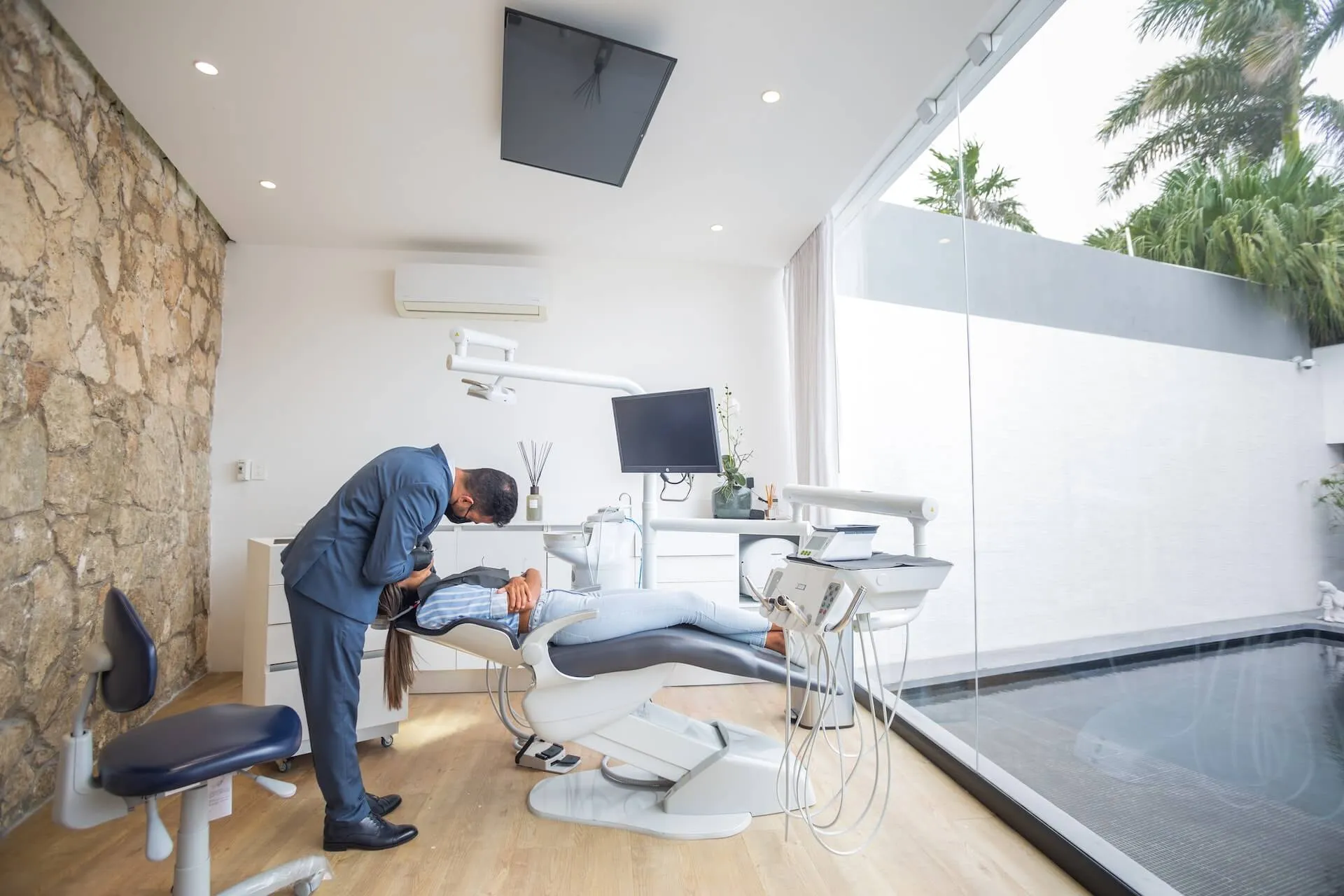
Nobody books a tooth extraction because they're excited about it. But here's the thing: once you actually know what's involved, most of the dread tends to fade. Maybe it's a wisdom tooth that's been causing problems for months. Maybe it's a tooth too far gone to save. Either way, if you're looking into tooth extractions in Costa Mesa, this is meant to walk you through the whole thing, start to finish, without the scary movie soundtrack.
Why Do People End Up Needing Tooth Extractions in Costa Mesa?
A few reasons come up over and over. Decay that's gone too far is a big one. Sometimes a tooth just can't be saved with a filling or a crown once damage reaches a certain point, and extraction becomes the more sensible path forward. Gum disease that's eaten away at the supporting bone is another common trigger.
Then there's wisdom teeth, probably the single biggest reason people type tooth extractions in Costa Mesa into a search bar in the first place. Impacted, crowded, causing pain, infected - any of those can push a dentist toward pulling them. Orthodontic treatment sometimes calls for extraction too, just to free up room for teeth to shift into place. And if you're heading toward a dental implant down the line, extraction is often step one of that whole process.
Simple or Surgical? The Difference Actually Matters
Not every extraction looks the same, and knowing which type you're facing helps set the right expectations. A simple extraction handles teeth that are visible above the gum line. Local anesthesia, standard instruments, done. Pretty straightforward, as the name suggests.
A surgical extraction is a different animal. This one comes into play when a tooth hasn't fully come in, has broken below the gumline, or just needs a more hands-on approach to remove safely; think impacted wisdom teeth here. Sometimes there's a small incision involved. Sometimes sedation beyond just the local numbing gets added to the mix, depending on complexity and what makes you comfortable.
Getting Ready Before Your Appointment
A little prep goes a long way. Your dentist is going to want a full rundown of your medical history and current medications before your procedure, since certain meds might need a temporary pause under your doctor's supervision.
Got sedation on the schedule? Line up a ride home now, not the morning of. You won't be cleared to drive yourself. And do yourself a favor, stock the fridge with soft foods ahead of time. Nobody wants to be standing in a grocery aisle post-extraction trying to figure out what's safe to eat.
What Actually Happens During the Procedure
On the day itself, local anesthesia goes in first, numbing everything up. Sedation might be layered on top depending on your plan. For a simple extraction, the tooth gets gently loosened and lifted out. Surgical cases might involve a small incision, and occasionally the tooth comes out in pieces rather than one whole unit if that's the safer route.
Once it's out, the socket gets cleaned, stitches go in if needed, and gauze handles the bleeding. Here's what tends to surprise people: the actual procedure part is usually pretty quick. It's the planning beforehand and the healing afterward that take up most of the mental space.
The First 24 Hours Matter More Than You'd Think
That first day after tooth extractions in Costa Mesa sets the tone for everything that follows. A blood clot needs to form and stay put in the socket, so skip the vigorous rinsing, skip the spitting, and definitely skip the straw for now. Dislodging that clot is exactly what you're trying to avoid.
Expect some swelling, a bit of bleeding, and some soreness. Totally normal, and it should ease up over the following day or two. A cold compress on the cheek helps with swelling. Over-the-counter pain relief, used as directed, covers most people's discomfort just fine.
Making Recovery Easier on Yourself
Soft foods for several days - think soup, yogurt, mashed potatoes, nothing that requires real chewing. Stick to the opposite side of your mouth when you do eat. Warm salt water rinses, once your dentist gives the green light (usually a day or so in), can help too.
One more thing worth saying plainly: skip smoking during recovery. It's tied to a higher risk of complications and slower healing, so this is a genuinely good week to pause if you can.
Signs That Something Might Be Off
Most people heal without a hitch. Still, it's worth knowing what's normal and what's not. Mild swelling and some discomfort on the first day? Normal. Pain that's getting worse instead of better, bleeding that won't quit, fever, pus near the site? Call your dentist, don't just wait it out.
Dry socket deserves a mention here too. It happens when that blood clot gets dislodged too soon, and it tends to show up as a sharp increase in pain a few days after the procedure. It's treatable, but you'll want to get it looked at rather than pushing through.
What's Next Once You've Healed
Once everything settles, your dentist will likely bring up next steps, and what that looks like depends on why the tooth came out in the first place. Could be a dental implant. Could be a bridge. Could just be keeping an eye on things if nothing needs to fill the space right away. Addressing a gap sooner rather than later tends to keep nearby teeth from drifting, so it's a conversation worth having.
Ready to Talk to MacArthur Dental Arts?
If a tooth extraction is on your radar and you want a team that actually walks you through it instead of just scheduling you and sending you on your way, that's what we do. At MacArthur Dental Arts, we cover the whole process for tooth extractions in Costa Mesa, before, during, and after, answering whatever questions come up along the way. Contact MacArthur Dental Arts to set up a consultation and get a plan that fits your specific situation.
Frequently Asked Questions
Q: Does a tooth extraction actually hurt?
A: Local anesthesia numbs the area first, so most people feel pressure rather than real pain during the procedure. Discomfort afterward is usually manageable.
Q: How long until I'm fully recovered?
A: Initial healing runs about a week to ten days. Full healing of the bone underneath can take a couple of months, though you'll feel mostly normal well before that.
Q: What should I stay away from eating afterward?
A: Hard, crunchy, sticky, or spicy foods, at least for the first several days. They can irritate the site or mess with healing.
Q: What exactly is dry socket?
A: It's when the blood clot at the extraction site comes loose too early, usually causing a spike in pain a few days in. It's treatable, so reach out to your dentist if it happens.
Q: Will I need something to replace the missing tooth?
A: Depends on the tooth and your situation. Your dentist can talk through whether an implant or bridge makes sense, or whether replacement isn't necessary right now.
Q: Is a little bleeding the next day normal?
A: Minor oozing, sure. Heavy or persistent bleeding that isn't slowing down is a different story and worth a call.



.svg)


