




HOME
.svg)
About Us

OUR PHILOSOPHY
WHY CHOOSE US
MEET OUR DOCTORS
MEET OUR TEAM
TESTIMONIALS
GENERAL DENTISTRY
COSMETIC DENTISTRY
RESTORATIVE DENTISTRY
FULL MOUTH RECONSTRUCTION
ORAL SURGERY
ORTHODONTICS
DENTAL ANXIETY
OTHER SERVICES

VIEW ALL SERVICES
SMILE GALLERY
Insurance
Payment Options
Membership Programs
Offers

Help Hub
FAQs
Home Care Instructions
BLOG

Contact
Restorative Dentistry
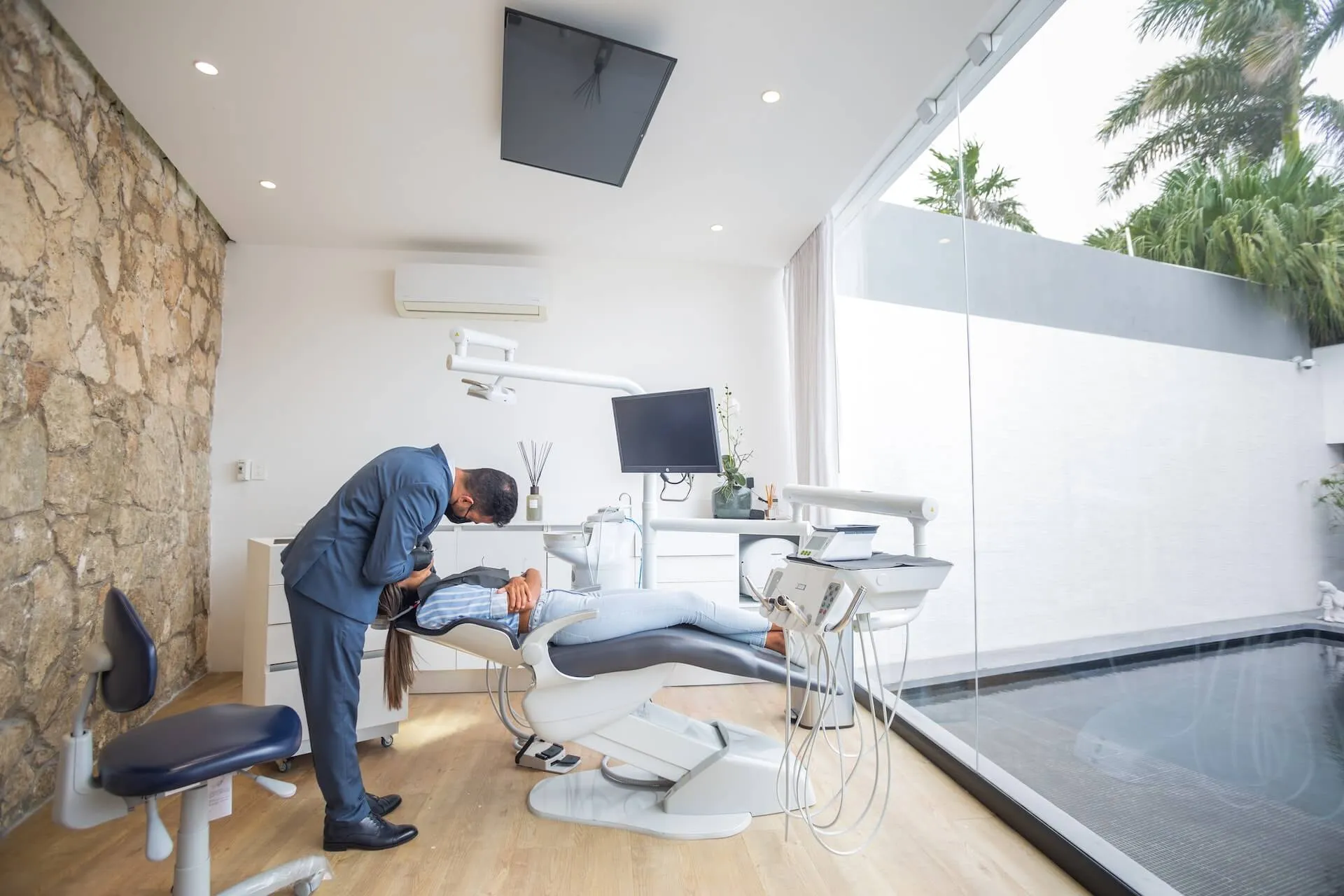
Damaged, decayed, or missing teeth can affect how you eat, speak, and smile. At MacArthur Dental Arts in Irvine, CA, our restorative dentistry treatments repair and replace compromised teeth to restore both function and a natural-looking appearance.


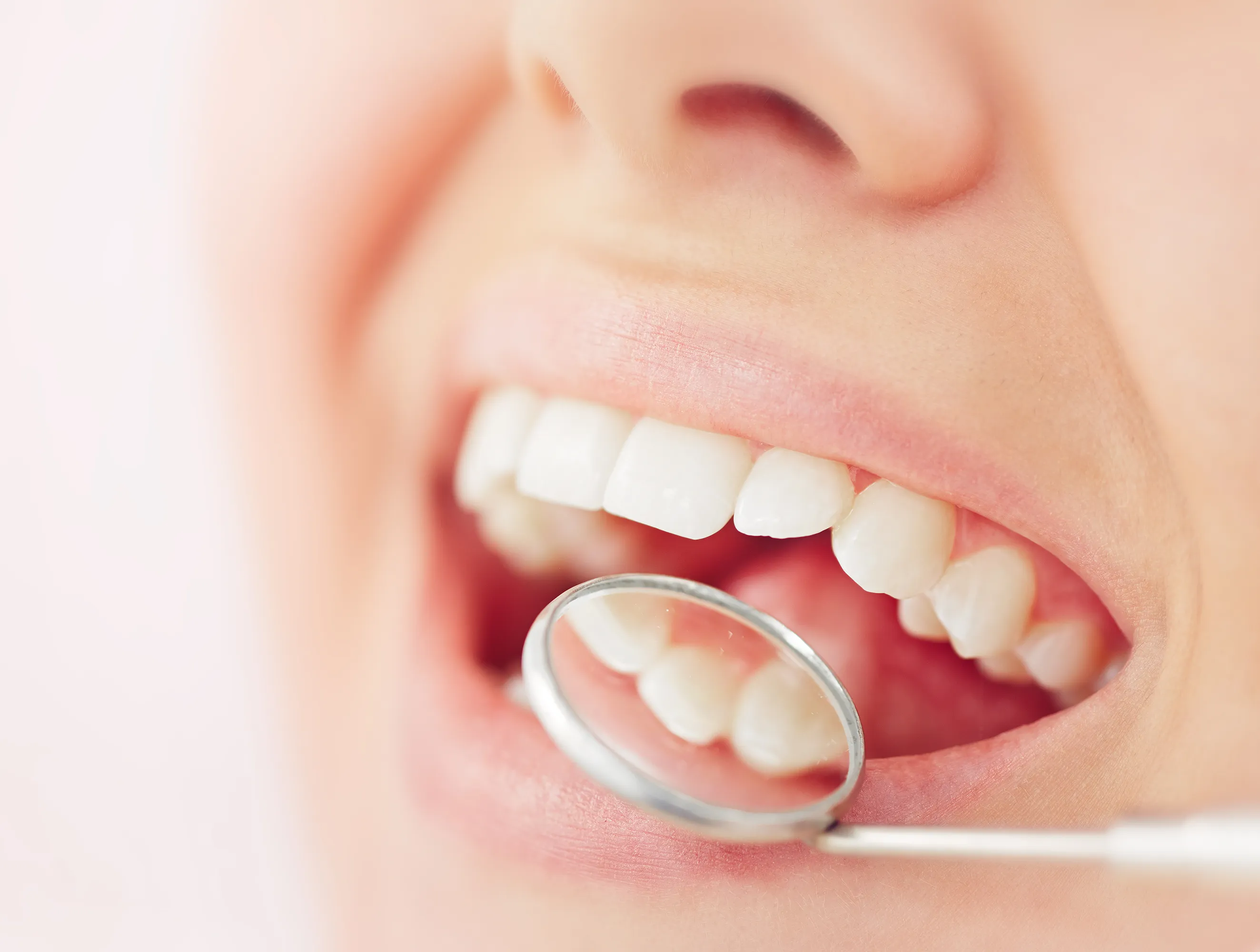
Restore the Health, Strength, and Function of Your Smile
Damaged, decayed, cracked, or missing teeth can affect much more than the appearance of your smile. They may make chewing uncomfortable, cause sensitivity, interfere with your bite, or make you hesitant to smile.
Restorative dentistry focuses on repairing or replacing teeth that have been damaged or lost. At MacArthur Dental Arts, we offer a range of restorative treatments designed to help restore the structure and function of your teeth while creating a natural-looking result.
Depending on your needs, treatment may include dental crowns, fixed dental bridges, inlays, onlays, root canal treatment, or other restorative procedures.
What Is Restorative Dentistry?
Restorative dentistry involves treating teeth that have been weakened, damaged, decayed, or lost. The goal is to restore the affected tooth or replace missing teeth so you can return to comfortable everyday functions such as eating and speaking.
Restorative treatment can also help protect remaining tooth structure. For example, a crown can cover and reinforce a significantly damaged tooth, while a dental bridge can replace a missing tooth and restore continuity within your smile.
Your dentist will evaluate the condition of your teeth and gums before recommending treatment. The appropriate restoration depends on the amount of healthy tooth structure remaining, the location of the tooth, your bite, and your overall oral health.
Restorative Treatments We Offer
Dental Crowns
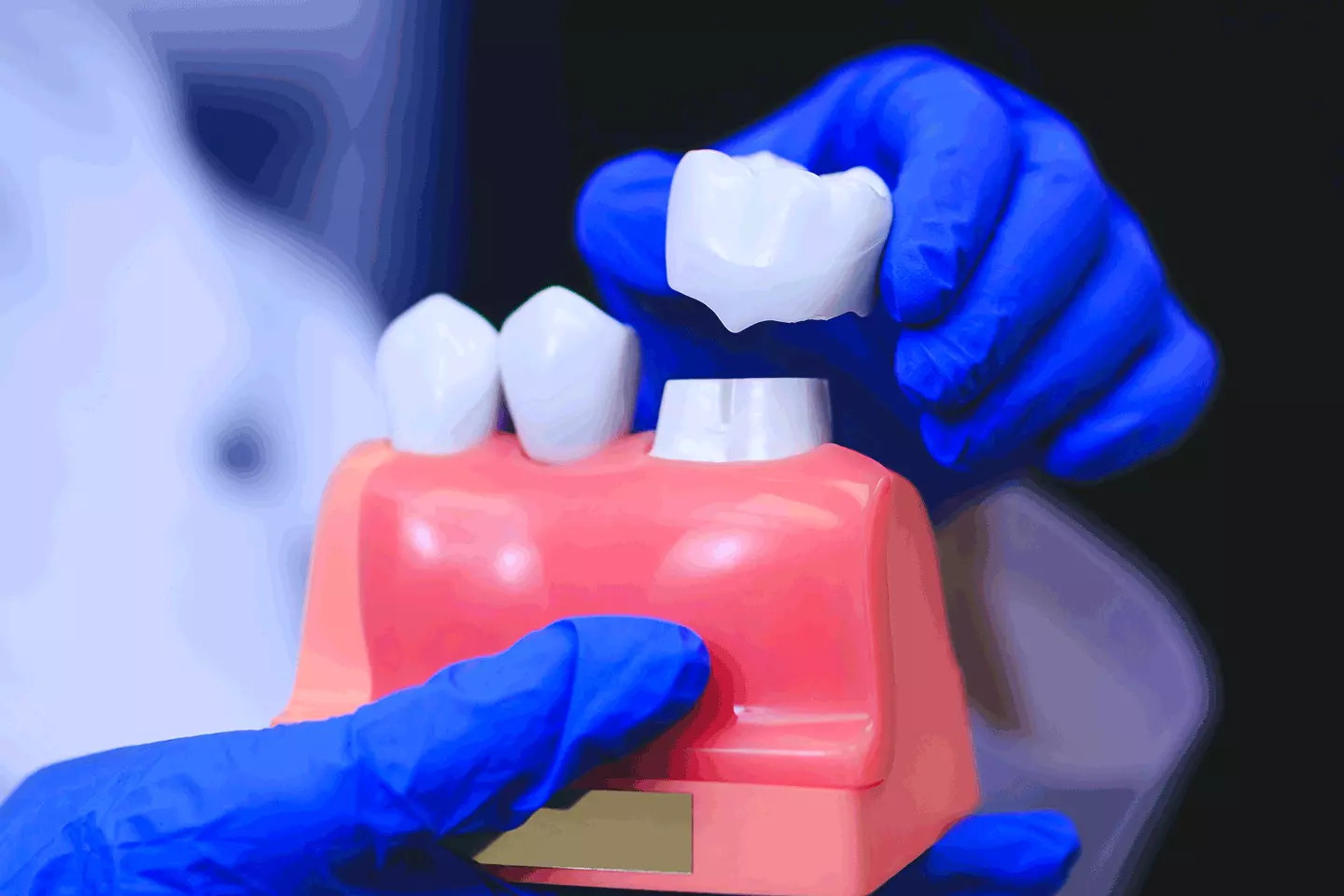
A dental crown is a custom restoration that covers the visible portion of a damaged or weakened tooth. Crowns can be used when a tooth has significant decay, a large crack, substantial structural damage, or has been weakened following root canal treatment.
By covering the tooth, a crown can help restore its shape, function, and strength. Crowns can also be designed to complement the surrounding teeth for a natural-looking appearance.
Your dentist will determine whether a crown is appropriate based on the condition of the tooth and the amount of healthy structure that remains.
Fixed Dental Bridges
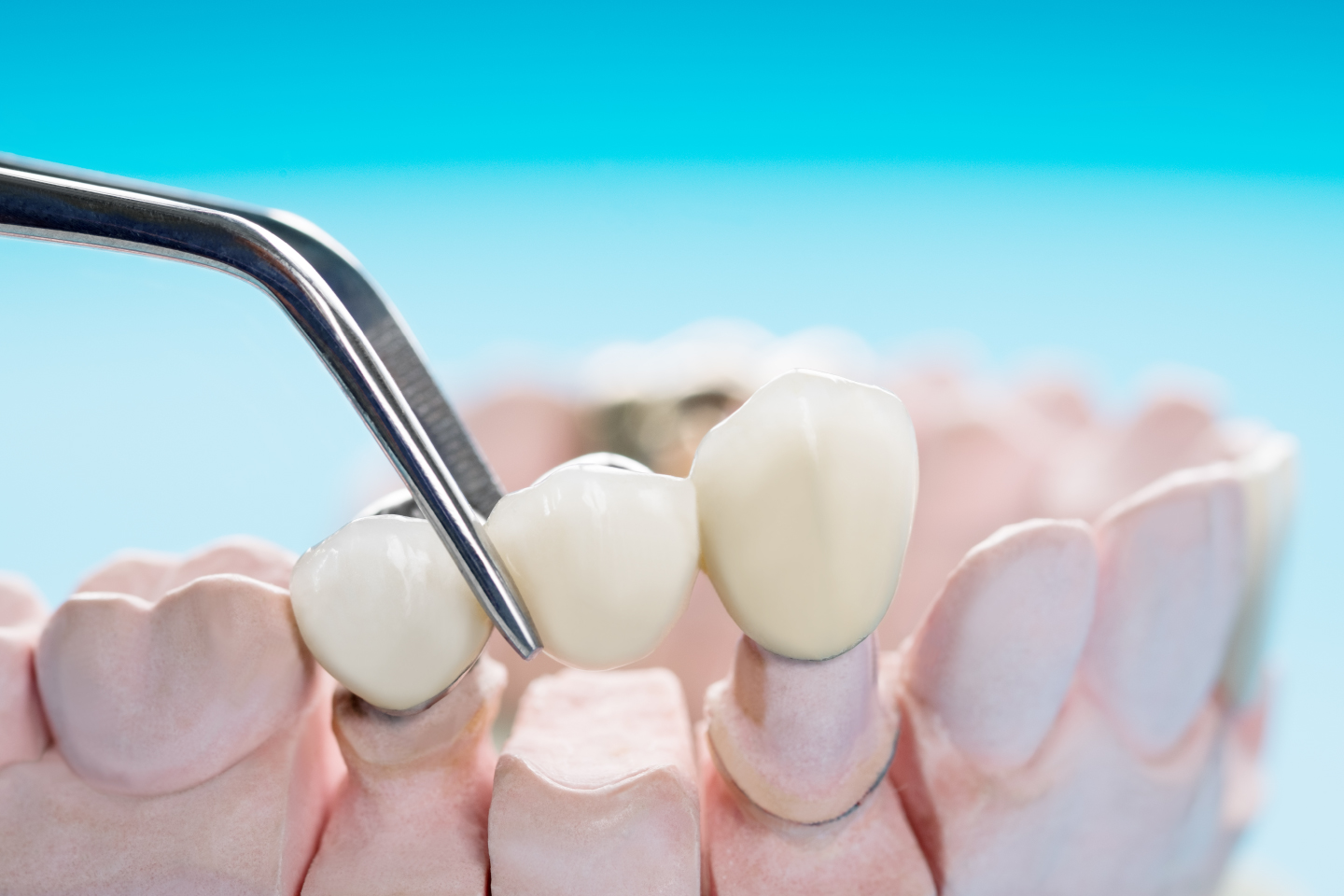
A fixed dental bridge can replace one or more missing teeth without requiring a removable appliance. A traditional bridge typically uses crowns placed on the teeth next to the space to support an artificial replacement tooth.
Replacing a missing tooth can help restore the continuity of your smile and support normal chewing. It may also prevent neighboring teeth from shifting into the open space.
Your dentist will assess the surrounding teeth and discuss whether a fixed bridge is an appropriate option for replacing your missing tooth or teeth.
Inlays and Onlays
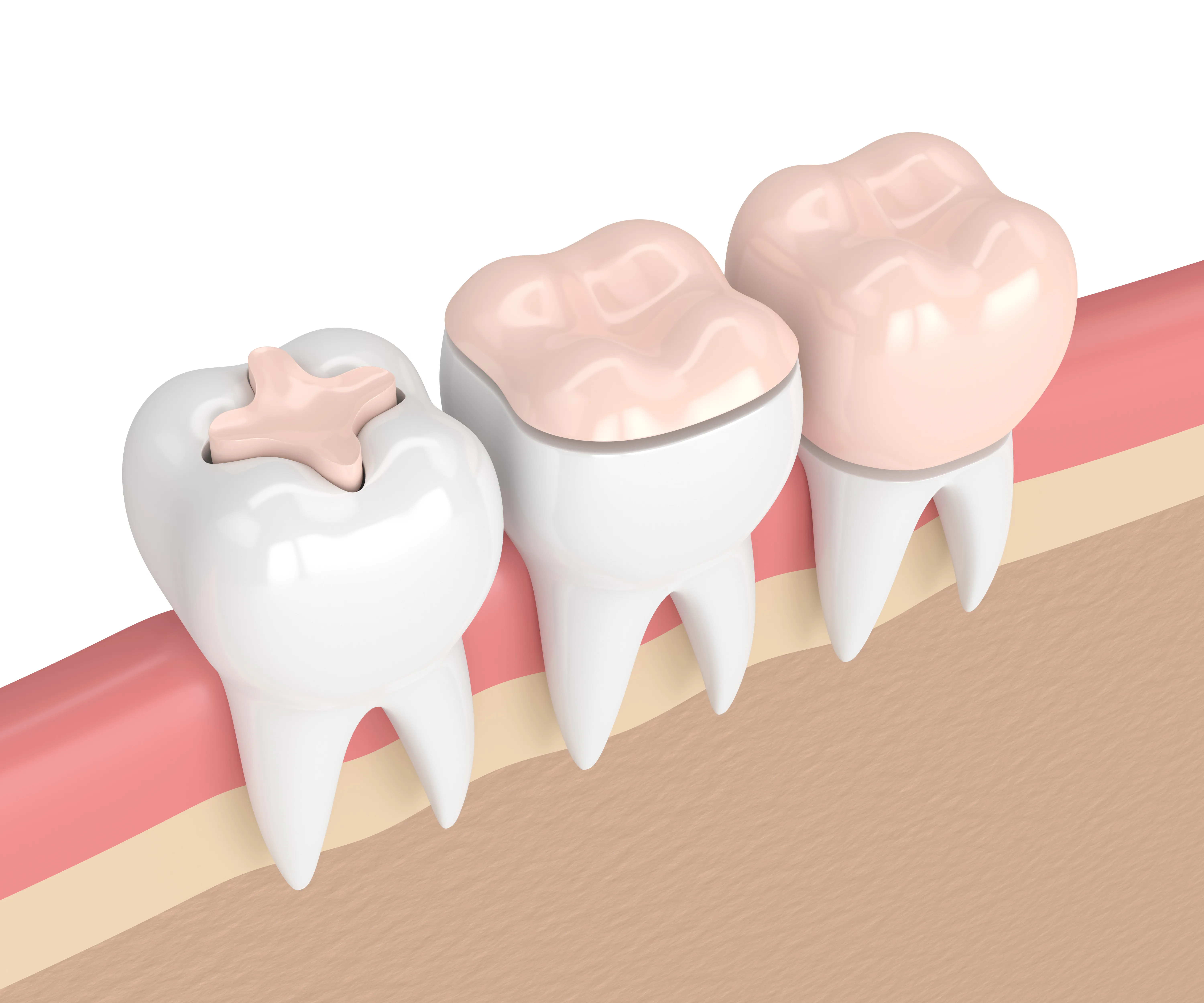
Inlays and onlays are restorations used when a tooth needs more than a filling but does not require a full dental crown.
An inlay is designed to restore a portion of the tooth's biting surface within the cusps. An onlay can cover a larger area and may extend over one or more cusps of the tooth.
These restorations can provide a way to repair certain damaged areas while preserving more of the healthy natural tooth structure than a full crown may require.
Root Canal Treatment and Restorative Care
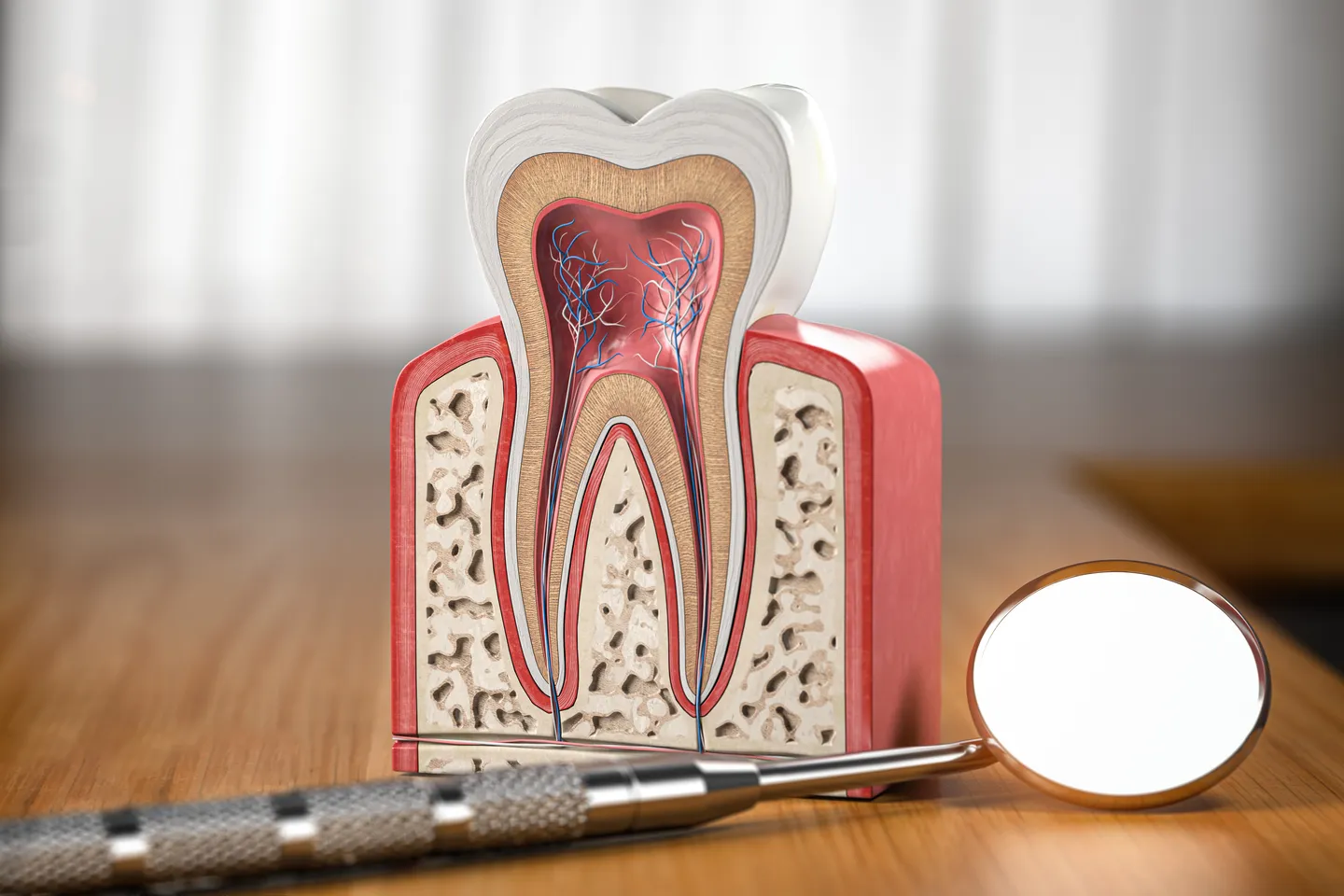
When decay or damage reaches the inner pulp of a tooth, root canal treatment may be necessary to remove the affected tissue and preserve the natural tooth.
After root canal treatment, the tooth may require additional protection depending on its location and remaining structure. A dental crown may be recommended to restore the tooth and help protect it from further damage.
Preserving a natural tooth can often be preferable to removing it when the tooth can be successfully treated and restored. Your dentist can evaluate the tooth and explain the appropriate treatment options.
Replacing Damaged or Missing Teeth
Restorative dentistry can address both damaged natural teeth and missing teeth. The appropriate treatment depends on the specific problem.
A tooth with a small area of damage may need a more conservative restoration, while a severely weakened tooth may require a crown. If a tooth is missing, a fixed bridge or dental implant may be considered depending on your circumstances.
The goal is to restore your smile while considering long-term oral health, function, appearance, and the condition of your surrounding teeth.
When Might You Need Restorative Dentistry?
Several signs may indicate that a tooth needs professional evaluation. These can include:
- A cracked or broken tooth
- Significant tooth decay
- A large or failing filling
- Persistent tooth sensitivity
- Pain when biting or chewing
- A missing tooth
- A severely worn tooth
- A tooth weakened after root canal treatment
- Difficulty chewing because of damaged or missing teeth
Not every dental problem causes noticeable symptoms. Regular dental examinations can help identify decay, cracks, or other concerns before they become more extensive.
Your Restorative Treatment Process
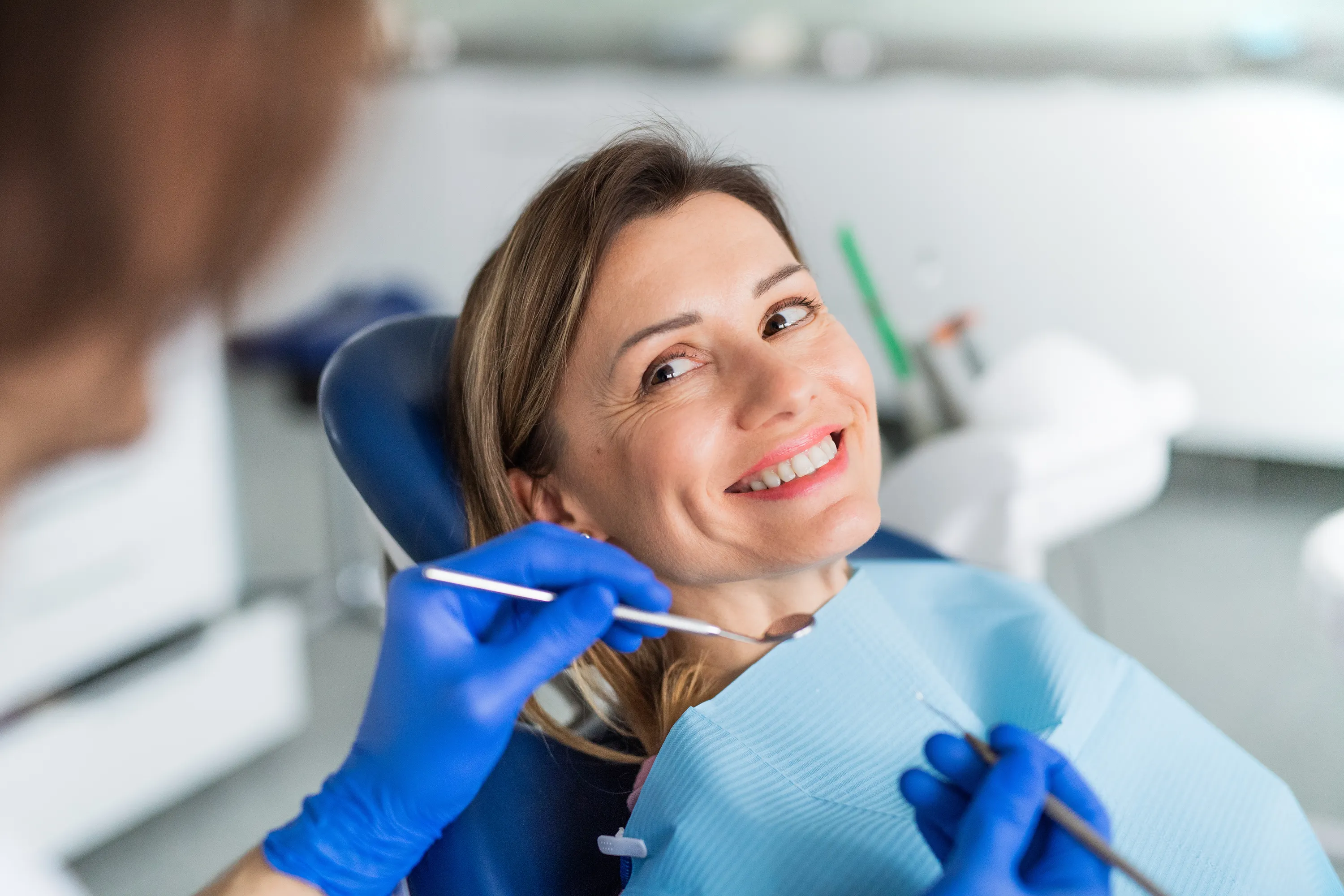
Restorative treatment begins with an examination of the affected tooth or teeth. Your dentist may use digital imaging or other diagnostic tools to assess the condition of the tooth and surrounding structures.
Once the problem has been identified, your dentist will explain the available treatment options. The recommended restoration will depend on the extent of the damage and how much healthy tooth structure remains.
For some restorations, treatment can be completed in as few as one or two appointments. The timeline depends on the procedure, the restoration being created, and your individual dental needs.
Before treatment begins, your dentist will explain what will happen during the procedure and how to care for your restored tooth afterward.
Restoring Function and Appearance
Restorative dentistry is not simply about repairing a damaged tooth. Modern restorations can also be designed to blend with the appearance of your natural smile.
Tooth-colored materials and carefully designed restorations can help restore the shape, size, and appearance of treated teeth while supporting normal function.
Your dentist will consider the surrounding teeth when planning your restoration so the finished result works naturally within your smile.
Why Treat Damaged Teeth?
Leaving a damaged or decayed tooth untreated can allow the problem to progress. A small area of decay can become more extensive, while a cracked or weakened tooth may become increasingly vulnerable to further damage.
Prompt evaluation can help determine the appropriate treatment before the problem becomes more complicated.
Restoring a damaged tooth can also help you avoid favoring one side of your mouth when chewing or experiencing ongoing discomfort from an untreated dental problem.
Caring for Your Restored Smile
Proper home care is important after restorative treatment. Continue brushing twice daily, flossing regularly, and attending routine dental examinations and cleanings.
Avoid using your teeth to open packages or bite hard objects, as excessive force can damage natural teeth and dental restorations.
Your dentist may provide additional care instructions depending on the type of restoration you receive. Following these recommendations can help protect your restored teeth and maintain your overall oral health.
Is Restorative Dentistry Right for You?
Restorative treatment may be appropriate if you have damaged, decayed, cracked, worn, or missing teeth. However, the treatment that is best for you depends on the specific condition of your smile.
A dental evaluation allows your dentist to identify the source of the problem and determine whether a crown, bridge, inlay, onlay, root canal treatment, dental implant, or another restoration may be appropriate.
Addressing dental problems early can often provide more treatment options and help preserve healthy tooth structure.
Restore Your Smile With MacArthur Dental Arts
Damaged and missing teeth do not have to prevent you from eating comfortably or smiling with confidence. Restorative dentistry can help repair compromised teeth, replace missing teeth, and restore the function and appearance of your smile.
At MacArthur Dental Arts, we offer restorative solutions tailored to your dental needs, including dental crowns, fixed dental bridges, inlays, and onlays, along with other treatments when appropriate.
If you need to repair a damaged, decayed, cracked, or missing tooth, schedule a consultation with MacArthur Dental Arts at (949) 251-8544 to discuss your restorative dentistry options.
Frequently Asked Questions
What is restorative dentistry?
Restorative dentistry focuses on repairing damaged, decayed, worn, or missing teeth. Treatments may include crowns, bridges, inlays, onlays, and other restorations.
When do I need a dental crown?
A crown may be recommended when a tooth is significantly damaged, cracked, decayed, or weakened. It covers the tooth to restore its shape and provide additional protection.
What is the difference between an inlay and an onlay?
An inlay restores a damaged area within the cusps of a tooth. An onlay covers a larger area and may extend over one or more cusps.
Can a dental bridge replace a missing tooth?
Yes, a fixed dental bridge can replace one or more missing teeth using supporting teeth on either side of the space. Your dentist can determine whether a bridge is appropriate for you.
How can I protect my dental restorations?
Brush, floss, and attend regular dental visits to maintain your restored smile. Avoid chewing hard objects or using your teeth to open packages.



.svg)


