




HOME
.svg)
About Us

OUR PHILOSOPHY
WHY CHOOSE US
MEET OUR DOCTORS
MEET OUR TEAM
TESTIMONIALS
GENERAL DENTISTRY
COSMETIC DENTISTRY
RESTORATIVE DENTISTRY
FULL MOUTH RECONSTRUCTION
ORAL SURGERY
ORTHODONTICS
DENTAL ANXIETY
OTHER SERVICES

VIEW ALL SERVICES
SMILE GALLERY
Insurance
Payment Options
Membership Programs
Offers

Help Hub
FAQs
Home Care Instructions
BLOG

Contact

Failed Dental Implants
Evaluation and treatment when a dental implant fails to integrate or develops complications.


.webp)
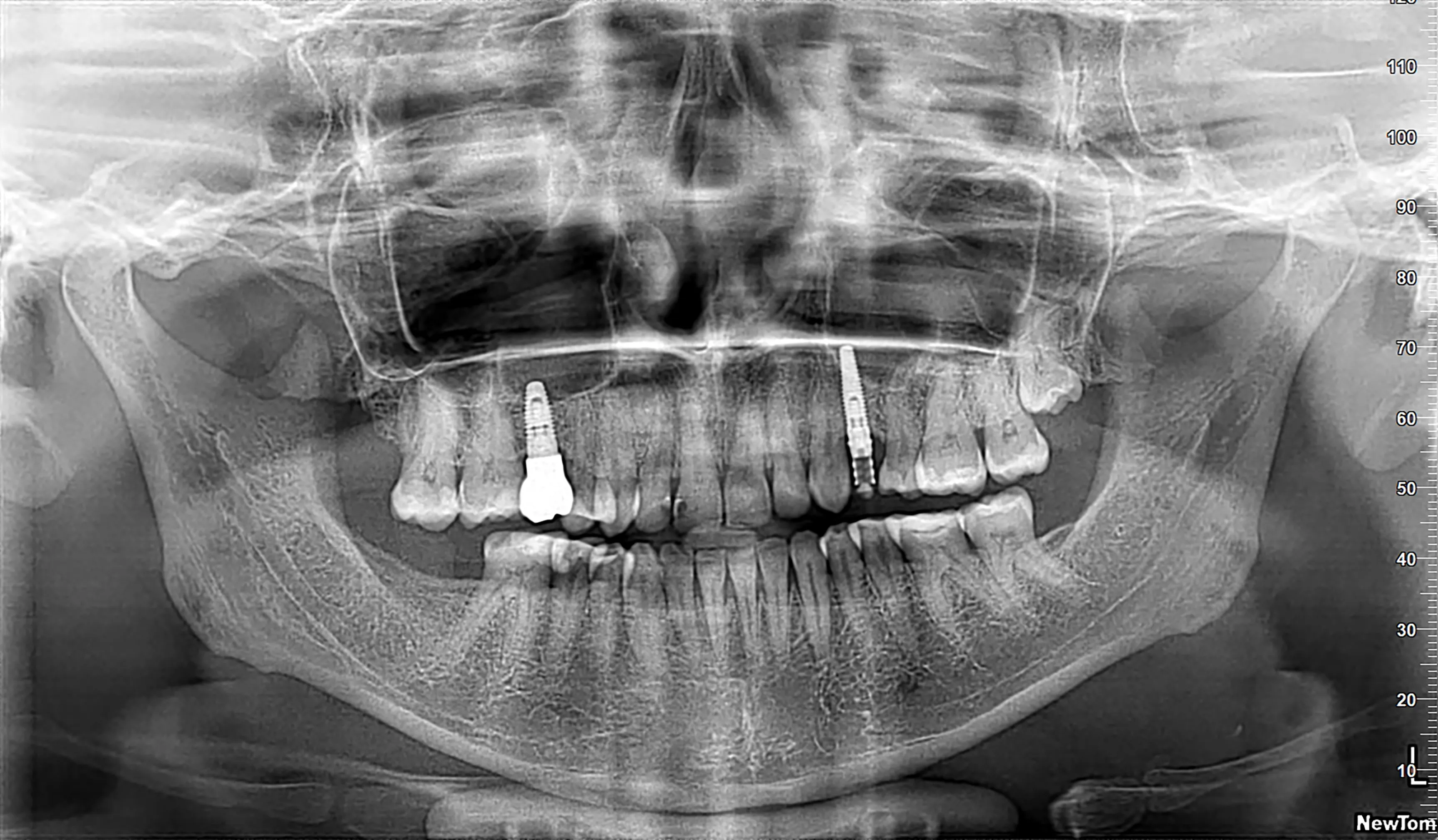
Dental implants are designed to replace missing teeth and support dental restorations, but an implant can sometimes fail to integrate with the surrounding bone or develop complications after placement. An implant experiencing a problem isn't automatically a complete failure, an examination is needed to determine the cause and whether it can be treated.
At MacArthur Dental Arts in Irvine, CA, patients experiencing problems with a dental implant can receive a thorough evaluation to determine what may be affecting the implant and what treatment options may be appropriate.
Signs of a Problem With a Dental Implant
- Persistent or worsening pain
- Swelling, bleeding, or tenderness around the implant
- Pus or drainage
- Difficulty chewing or changes in how the restoration feels
- Looseness or movement of the implant or restoration
- Gum recession or other changes around the implant
These symptoms can have different causes and don't necessarily mean the implant has failed, so a prompt evaluation is the best way to determine what's happening.
What Happens During an Evaluation
We'll check the implant for mobility and stability, examine the surrounding gums for inflammation or recession, and use dental X-rays or 3D imaging to evaluate the supporting bone. The restoration itself, whether a crown, bridge, or denture, is also examined, since sometimes the problem involves the restoration rather than the implant.
Treatment Options for a Failed Implant
Not every implant complication requires removal. Depending on the cause and severity, treatment may involve addressing infection or inflammation, improving oral hygiene, treating the surrounding tissue, or adjusting the restoration. If the implant is unstable or can't be predictably maintained, removal may be recommended, and bone grafting may be considered afterward to help rebuild the site for a future implant.
Frequently Asked Questions
How do I know if my dental implant has failed?
Pain, swelling, bleeding, changes around the gums, difficulty chewing, or movement of an implant or restoration can indicate a problem. These symptoms don't automatically mean the implant has failed, so an examination is needed.
Does a failed implant always need to be removed?
No. Some implant complications can potentially be treated without removing the implant. We'll evaluate the implant and surrounding tissues before recommending removal.
Can I get another implant after one has failed?
A previous failure doesn't automatically prevent future implant treatment. Before replacement, we need to identify the cause of the original failure and address any contributing factors.
Why would a dental implant become loose?
An implant may become loose due to problems with integration, loss of supporting bone, excessive forces, or other complications. A loose implant should be evaluated promptly.
Will I need a bone graft after a failed implant?
Not necessarily. Bone grafting may be recommended if there isn't enough bone remaining for future implant placement.
How long should I wait before replacing a failed dental implant?
There's no single waiting period for every patient. Timing depends on the condition of the implant site, whether the implant was removed, the amount of bone loss, and whether grafting is required.
Schedule a Consultation
Contact MacArthur Dental Arts at (949) 251-8544 if you're experiencing pain, swelling, looseness, or other changes around a dental implant.



.svg)


