




HOME
.svg)
About Us

OUR PHILOSOPHY
WHY CHOOSE US
MEET OUR DOCTORS
MEET OUR TEAM
TESTIMONIALS
GENERAL DENTISTRY
COSMETIC DENTISTRY
RESTORATIVE DENTISTRY
FULL MOUTH RECONSTRUCTION
ORAL SURGERY
ORTHODONTICS
DENTAL ANXIETY
OTHER SERVICES

VIEW ALL SERVICES
SMILE GALLERY
Insurance
Payment Options
Membership Programs
Offers

Help Hub
FAQs
Home Care Instructions
BLOG

Contact
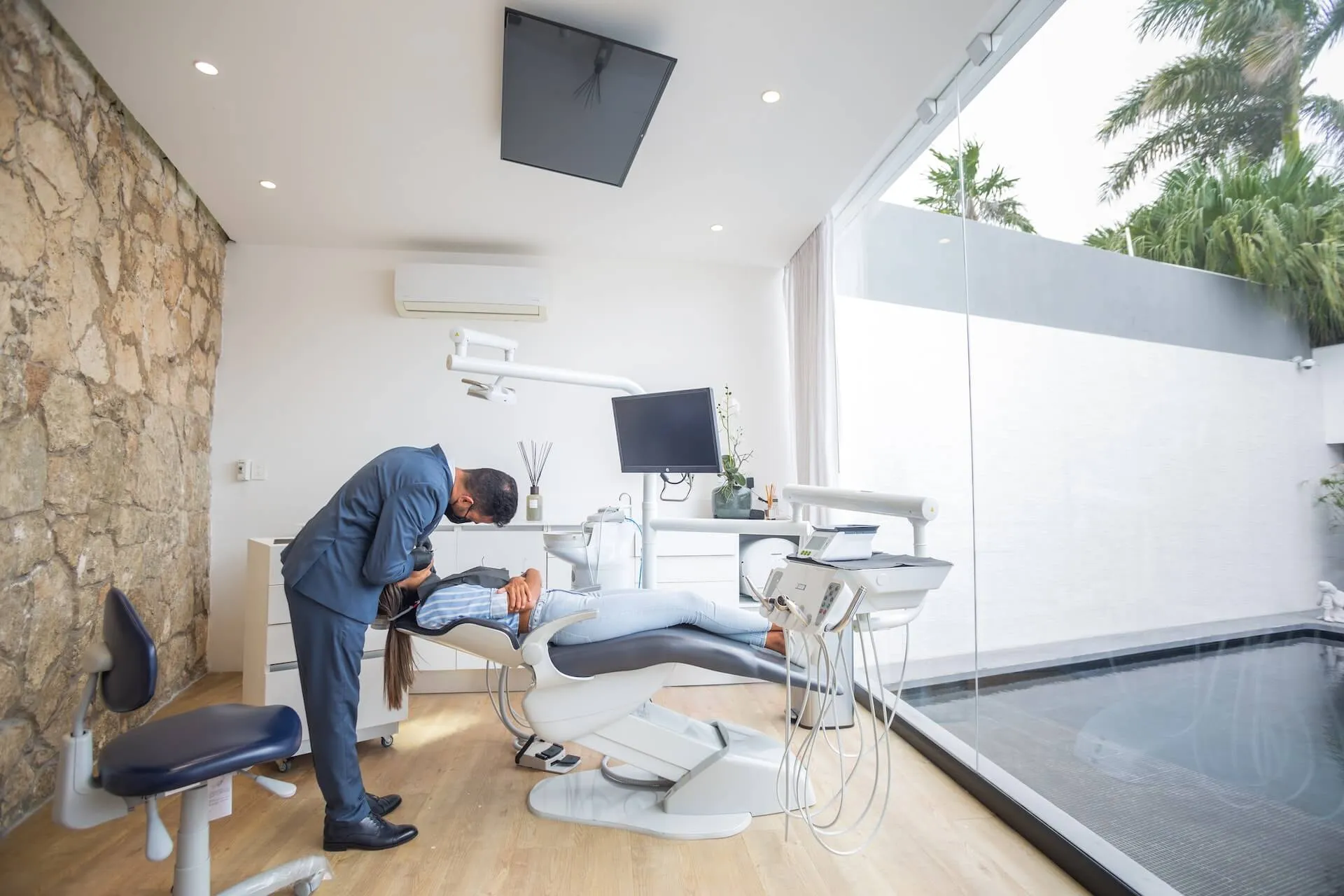
Orthodontics
Crooked, crowded, or misaligned teeth can affect both the appearance and function of your smile. At MacArthur Dental Arts in Irvine, CA, we evaluate your teeth and bite to help you understand which orthodontic options may be right for you.


Comprehensive Care for Straighter Teeth and a More Balanced Bite
Crooked, crowded, or misaligned teeth can affect both the appearance and function of your smile. Orthodontic treatment uses controlled forces to gradually move teeth into more appropriate positions and improve certain bite concerns.
At MacArthur Dental Arts in Irvine, CA, orthodontic care is designed to address individual alignment and bite needs. Your dentist can evaluate your teeth and discuss the orthodontic options that may be appropriate for you.
What Is Orthodontics?
Orthodontics is a specialized area of dentistry focused on correcting problems with the alignment of teeth and the relationship between the upper and lower teeth.
Orthodontic treatment may be used to address:
- Crowded teeth
- Crooked teeth
- Gaps between teeth
- Rotated or displaced teeth
- Overbite
- Underbite
- Crossbite
- Other alignment and bite concerns
Treatment varies from patient to patient. The appropriate approach depends on your teeth, bite, oral health, and treatment goals.
Why Might You Need Orthodontic Treatment?
Misaligned teeth can make certain areas of the mouth more difficult to clean. An irregular bite can also affect how the upper and lower teeth come together.
Orthodontic treatment may be recommended to:
- Improve the alignment of crooked teeth
- Address dental crowding
- Close selected spaces between teeth
- Improve certain bite relationships
- Create a more even arrangement of the teeth
- Make some areas of the mouth easier to clean
Orthodontic treatment is not only about creating a straighter smile. Your dentist will also consider how your teeth function together.
Common Orthodontic Problems
Crowded Teeth
Crowding occurs when there is not enough space for the teeth to align properly. Teeth may overlap, rotate, or become displaced.
Orthodontic treatment can gradually move the teeth into a more organized position when appropriate.
Gaps Between Teeth
Spaces can occur between teeth for several reasons. Orthodontic treatment may be used to close certain gaps depending on their cause and location.
Overbite
An overbite occurs when the upper front teeth overlap the lower front teeth more than expected.
The appropriate orthodontic approach depends on the cause and severity of the bite relationship.
Underbite
An underbite occurs when the lower teeth extend in front of the upper teeth when the mouth is closed.
Treatment options depend on the individual dental and jaw relationship.
Crossbite
A crossbite occurs when some upper teeth bite inside the corresponding lower teeth.
Orthodontic treatment may be used to improve certain crossbite relationships.
Who Can Have Orthodontic Treatment?
Orthodontic treatment can be appropriate for children, teenagers, and adults, depending on their individual dental and orthodontic needs.
Adults may seek orthodontic care because teeth have shifted over time, while younger patients may be evaluated as their permanent teeth develop.
Before beginning treatment, your dentist will assess your teeth, gums, bite, and overall oral health.
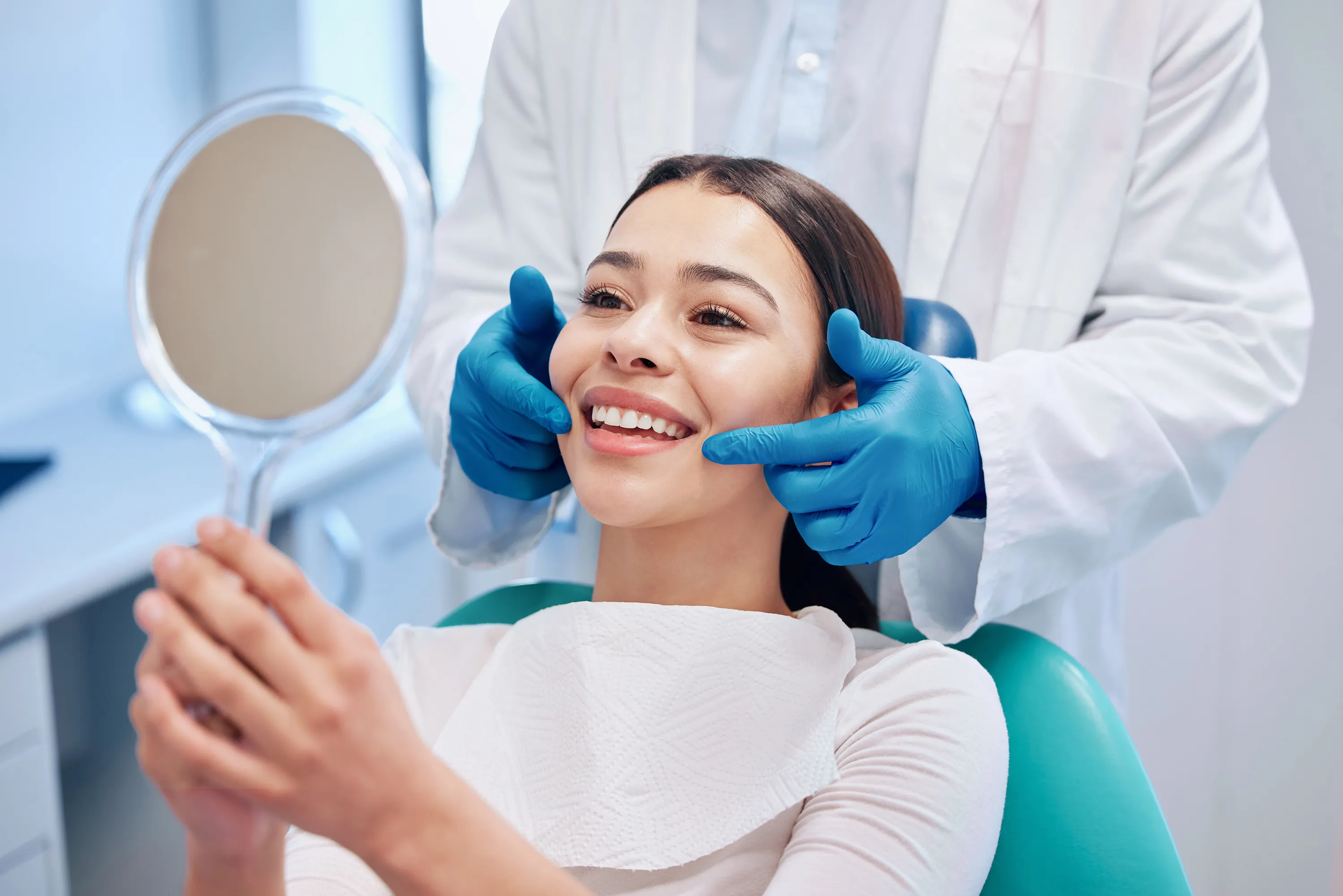
What Happens During an Orthodontic Consultation?
Your first appointment involves an evaluation of your teeth and bite.
Your dentist may examine:
- Tooth alignment
- Spacing and crowding
- The relationship between the upper and lower teeth
- Jaw relationships
- Gum health
- Existing dental restorations
- Overall oral health
Dental X-rays or other imaging may be recommended when needed for diagnosis and treatment planning.
After the evaluation, your dentist can explain the findings and discuss the orthodontic treatment options that may be suitable for your situation.
Orthodontic Treatment Options
Depending on your needs, treatment may involve braces, clear aligners, or other orthodontic appliances.
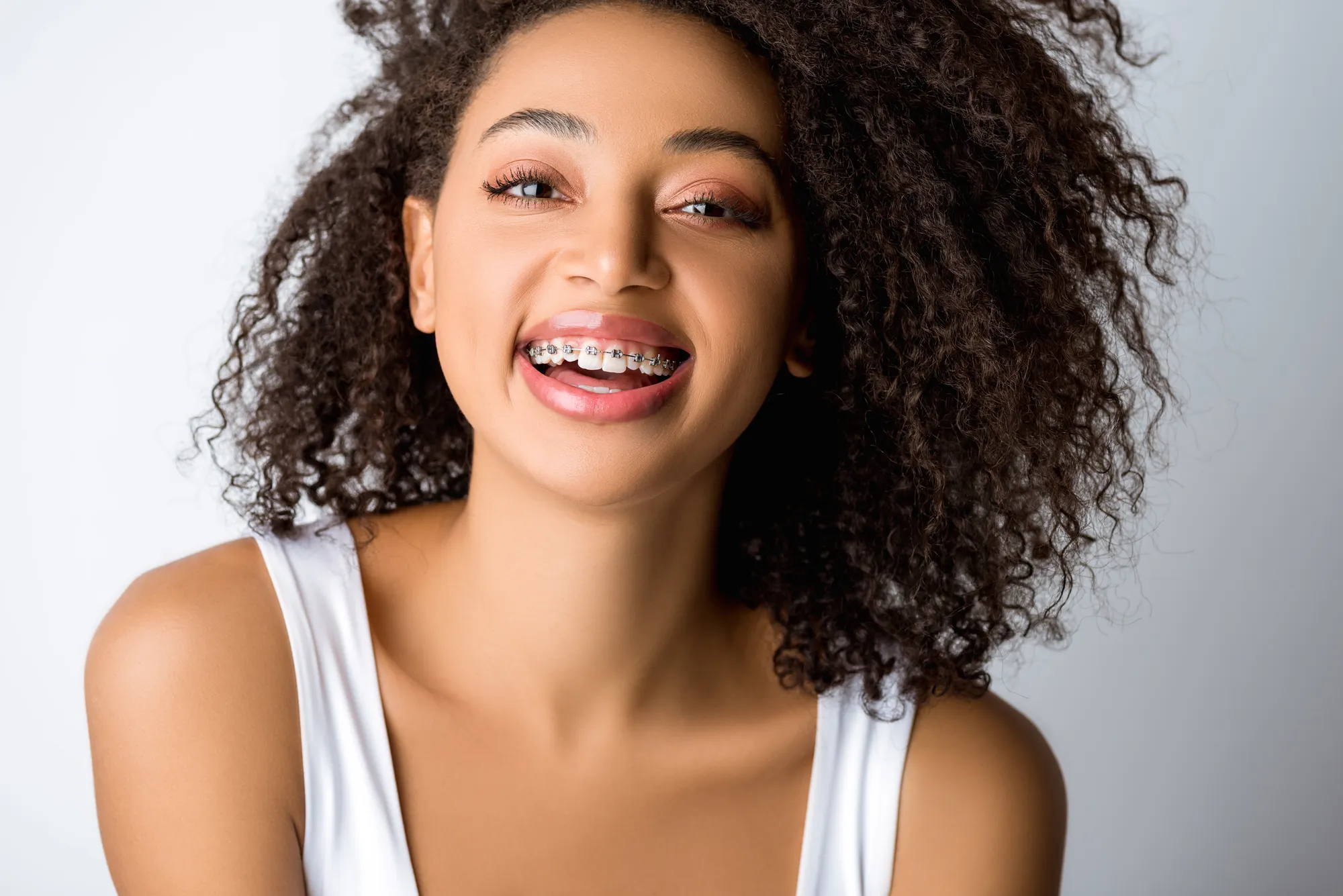
Traditional Braces
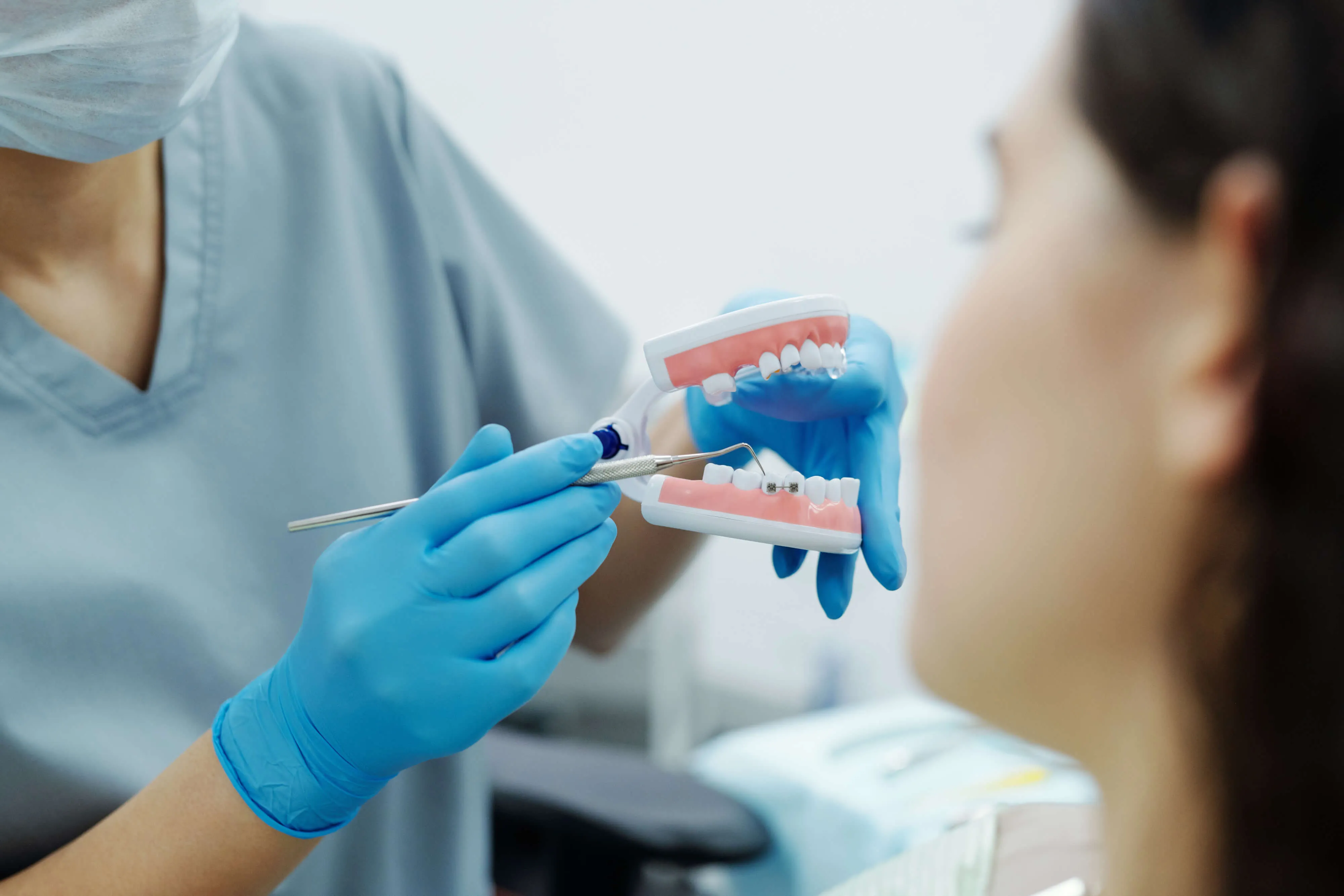
Traditional braces use brackets and wires to apply controlled forces to the teeth.
The wires are adjusted during regular appointments to gradually guide the teeth toward their planned positions.
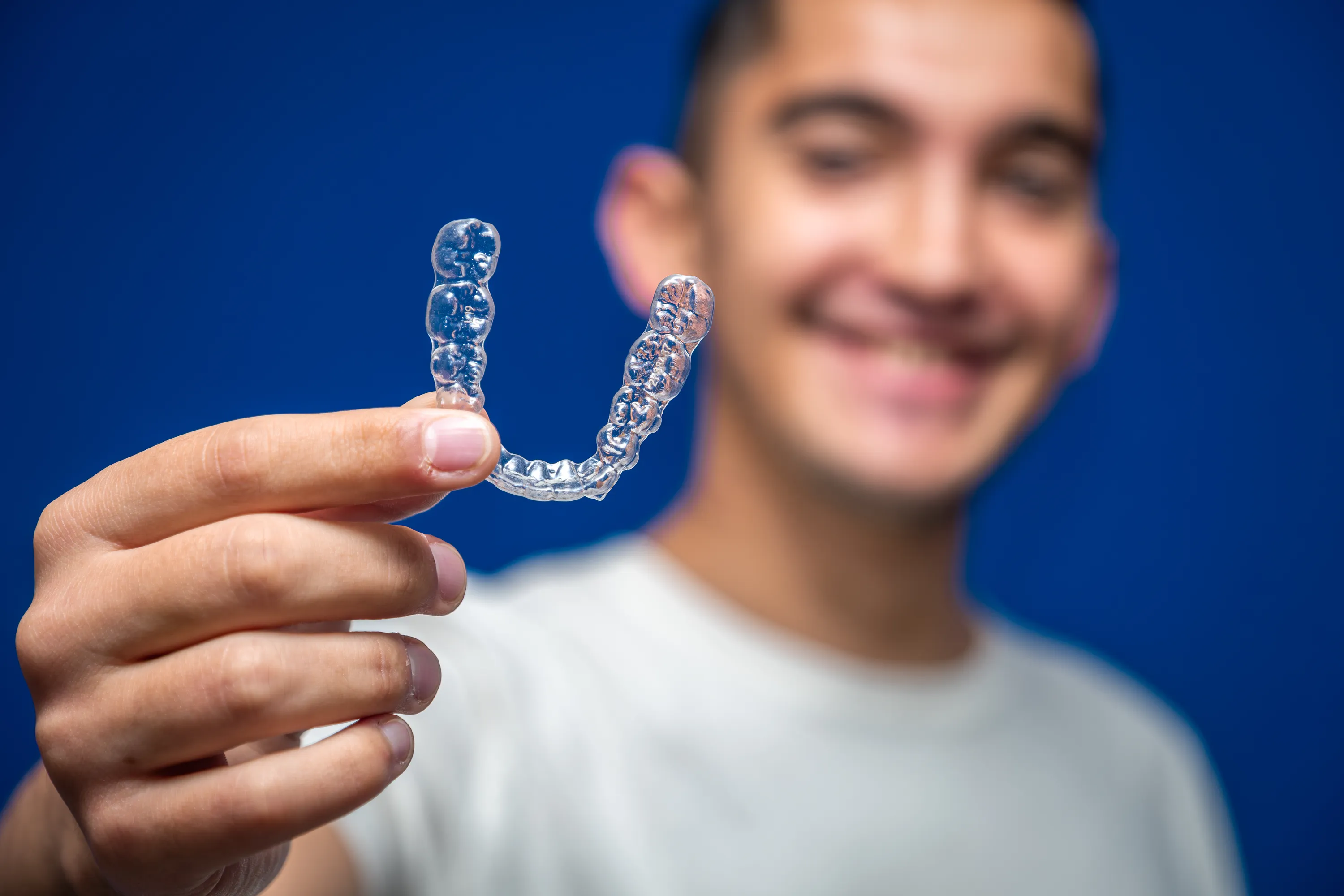
Clear Aligners
Clear aligners are removable trays that are designed to move teeth according to a planned treatment sequence.
They can generally be removed for eating, brushing, and cleaning between the teeth. Your dentist will determine whether clear aligners are appropriate for your particular alignment and bite concerns.
Other Orthodontic Appliances
Some patients may require additional or different orthodontic appliances depending on their age, tooth position, and bite.
Your dentist can recommend the appropriate appliance after evaluating your individual needs.
The Orthodontic Treatment Process
1. Initial Evaluation
Your dentist evaluates your teeth, gums, bite, and overall oral health.
2. Treatment Planning
The necessary tooth movements and appropriate orthodontic approach are determined based on your examination and any required imaging.
3. Beginning Treatment
Your braces, clear aligners, or other orthodontic appliance is placed or provided according to your treatment plan.
4. Progress Appointments
Regular appointments allow your dentist to monitor tooth movement and make adjustments or provide new aligners when necessary.
5. Retention
After active orthodontic treatment, a retainer may be recommended to help maintain the position of your teeth.
How Long Does Orthodontic Treatment Take?
There is no standard treatment length for every patient.
The duration can depend on:
- The complexity of the alignment problem
- The amount of tooth movement required
- The type of orthodontic treatment
- Your individual response to treatment
- How closely you follow treatment instructions
Your dentist can provide a more specific estimate after evaluating your teeth and developing your treatment plan.
Caring for Your Teeth During Orthodontic Treatment
Good oral hygiene is important throughout orthodontic treatment.
Depending on your appliance, you may need to:
- Brush carefully around brackets and wires
- Clean between your teeth every day
- Clean clear aligners as instructed
- Follow your dentist's dietary recommendations
- Attend scheduled appointments
- Wear aligners for the recommended amount of time
- Report damaged appliances or other concerns promptly
Maintaining regular dental care during orthodontic treatment is also important for monitoring your teeth and gums.
Orthodontics for Adults
It is not too late to consider orthodontic treatment as an adult. Teeth can shift over time, resulting in crowding, spacing, or other alignment concerns.
Before orthodontic treatment begins, your dentist will evaluate your oral health. Cavities, gum disease, or other active dental problems may need to be addressed before moving the teeth.
Orthodontics and Restorative Dentistry
Orthodontic treatment may sometimes be incorporated into a broader dental treatment plan.
For example, tooth movement may be considered before restorative procedures, cosmetic dentistry, or dental implant treatment when appropriate.
If you require multiple types of dental treatment, your dentist can discuss how orthodontics may fit into the overall sequence of care.
Frequently Asked Questions
What age is best for orthodontic treatment?
There is no single ideal age for every patient. Orthodontic treatment can be considered at different stages of life depending on tooth development, alignment, bite, and individual treatment needs.
Can adults get braces?
Yes. Adults can receive orthodontic treatment when their teeth and gums are healthy and the planned treatment is appropriate.
Are clear aligners better than braces?
Neither option is automatically better for every patient. Clear aligners and braces have different advantages and limitations. Your dentist can recommend the option that best fits your orthodontic needs.
How often will I need orthodontic appointments?
The appointment schedule depends on your treatment type and individual plan. Regular visits allow your dentist to monitor progress and make necessary adjustments.
Will orthodontic treatment hurt?
You may experience temporary pressure, tenderness, or sensitivity when orthodontic appliances are first placed or adjusted. These sensations generally improve as you adapt to treatment.
Do I need to treat cavities before getting braces?
Active cavities, gum disease, or other oral health concerns may need to be treated before orthodontic treatment begins. Your dentist will evaluate your oral health before starting treatment.
Will I need a retainer after orthodontic treatment?
A retainer is commonly recommended after active orthodontic treatment to help maintain the position of the teeth. Your dentist will provide instructions based on your individual treatment.
Can orthodontics fix every bite problem?
No. Orthodontic treatment can address many dental alignment and bite concerns, but the appropriate treatment depends on the underlying cause and severity of the problem. Your dentist can determine whether orthodontic treatment is suitable for your situation.
Schedule an Orthodontic Consultation in Irvine
If you have crowded, crooked, or spaced teeth or are concerned about the way your teeth come together, an orthodontic evaluation can help you understand your options.
At MacArthur Dental Arts, your dentist can assess your teeth and bite and discuss whether braces, clear aligners, or another orthodontic approach may be appropriate.
Schedule your orthodontic consultation in Irvine, CA, today. Call (949) 251-8544 or request an appointment with MacArthur Dental Arts at 17897 MacArthur Blvd, Suite 100, Irvine, CA 92614.



.svg)


