




HOME
.svg)
About Us

OUR PHILOSOPHY
WHY CHOOSE US
MEET OUR DOCTORS
MEET OUR TEAM
TESTIMONIALS
GENERAL DENTISTRY
COSMETIC DENTISTRY
RESTORATIVE DENTISTRY
FULL MOUTH RECONSTRUCTION
ORAL SURGERY
ORTHODONTICS
DENTAL ANXIETY
OTHER SERVICES

VIEW ALL SERVICES
SMILE GALLERY
Insurance
Payment Options
Membership Programs
Offers

Help Hub
FAQs
Home Care Instructions
BLOG

Contact

Halitosis & Dry Mouth Treatment
Identifying the cause of chronic bad breath and dry mouth to recommend effective care.


.webp)
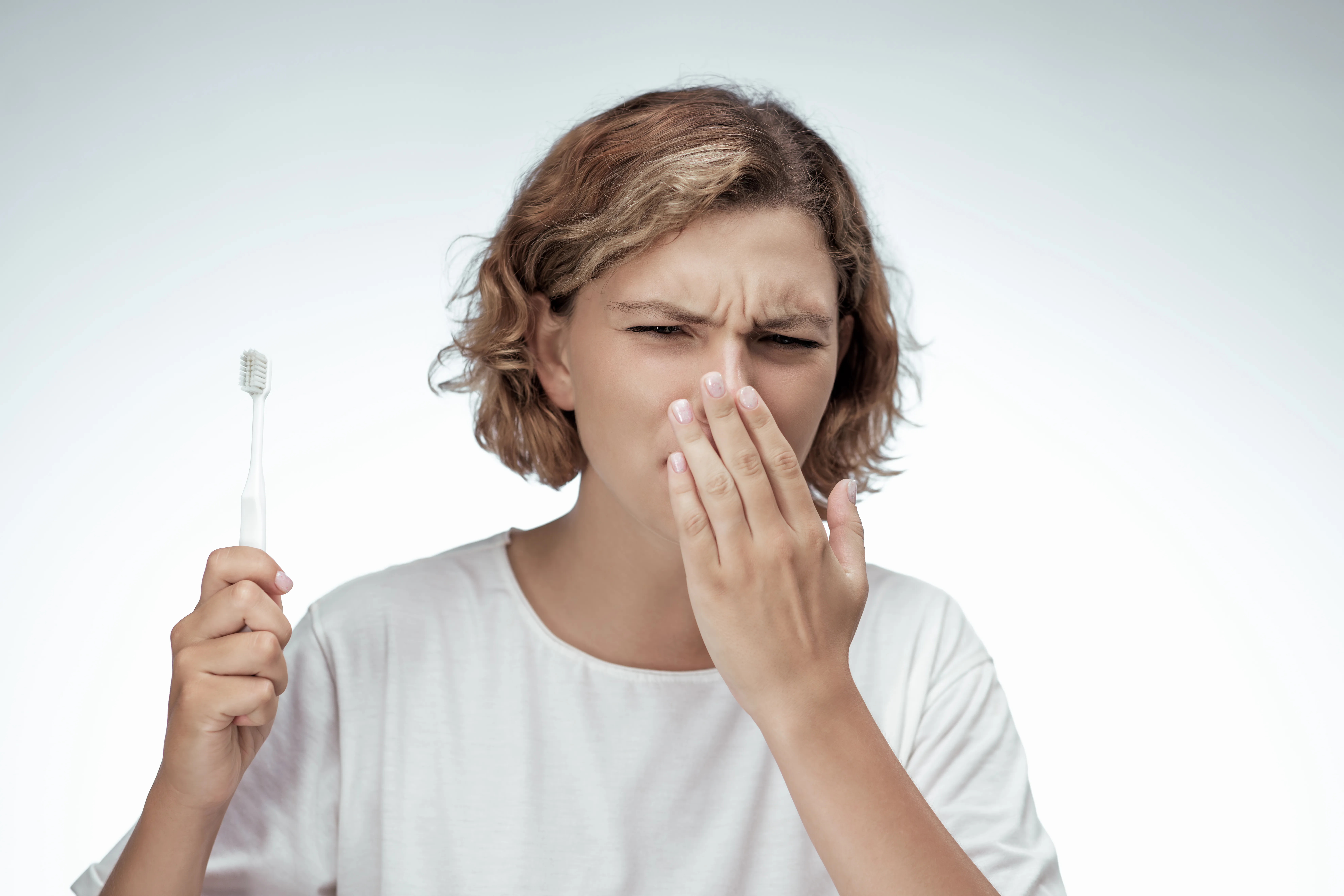
Occasional bad breath is common, but persistent halitosis can be a sign that something needs attention. Similarly, an ongoing dry or sticky feeling in your mouth is more than an inconvenience, reduced saliva can affect your comfort and increase your risk of dental problems.
At MacArthur Dental Arts in Irvine, CA, we evaluate patients experiencing chronic bad breath and dry mouth to help determine possible causes and recommend appropriate oral care.
What Is Halitosis?
Halitosis is the clinical term for persistent or unpleasant breath odor. Bad breath can originate in the mouth and may be associated with plaque, bacteria, food debris, gum disease, or a coating on the tongue. The American Dental Association notes that volatile sulfur compounds, produced by bacteria involved in the breakdown of food, are major contributors to oral malodor.
- Inadequate oral hygiene
- Plaque and bacteria
- Gum disease
- Food particles trapped between teeth
- Tongue coating
- Dry mouth
- Tobacco use
Because the cause differs from person to person, simply covering odor with a breath mint or cosmetic mouthwash may not address the underlying problem.
What Is Dry Mouth?
Dry mouth, or xerostomia, occurs when there is not enough saliva to keep the mouth adequately moist. Saliva helps lubricate the mouth, assists with chewing and swallowing, washes away food particles, and helps protect teeth, so reduced saliva can increase the risk of decay, sensitivity, and oral infections.
- A sticky or dry feeling in your mouth
- Dry throat or difficulty swallowing
- Altered taste
- Cracked lips or mouth sores
- Burning or irritation
- Persistent bad breath
Dry mouth has many possible causes, including certain medications, medical conditions, radiation or chemotherapy, nerve damage, and dehydration. Do not stop or change prescribed medication without discussing it with your healthcare provider.
How We Evaluate and Treat Bad Breath and Dry Mouth
When you have persistent bad breath, we look for oral conditions that could be contributing to the problem, including tooth decay or plaque buildup, gum disease, tongue coating, existing restorations, and signs of dry mouth. Treatment depends on the underlying cause, addressing gum disease, plaque, or decay may help improve breath odor, while dry mouth may be managed with adequate hydration, sugar-free gum or other saliva-stimulating products, and excellent oral hygiene. The National Institute of Dental and Craniofacial Research recommends discussing persistent dry mouth with a dentist or physician, since treatment depends on the cause.
Daily Habits That Can Support Fresher Breath
- Brush your teeth twice daily with fluoride toothpaste
- Clean between your teeth every day
- Gently clean your tongue
- Drink water regularly
- Avoid tobacco products and limit alcohol
- Keep up with routine dental cleanings and examinations
Frequently Asked Questions
Why does my breath smell bad even after brushing?
Persistent bad breath may be caused by plaque, bacteria, gum disease, tongue coating, food debris, dry mouth, or other factors. If brushing does not resolve the problem, a dental evaluation can help identify the cause.
Can dry mouth cause bad breath?
Yes. Dry mouth can contribute to bad breath because reduced saliva means less natural cleansing of the mouth.
How can I get rid of chronic bad breath?
The best approach is to identify and address its underlying cause. Maintaining good oral hygiene, cleaning your tongue and between your teeth, staying hydrated, and treating gum disease or other oral conditions can help.
What is the best treatment for dry mouth?
Treatment depends on why your mouth is dry. Depending on the cause, we may recommend hydration, sugar-free gum, saliva substitutes, or a review of your medications with your physician.
Is dry mouth a serious dental problem?
Persistent dry mouth can increase the risk of tooth decay, sensitivity, and oral infections because saliva provides important protective functions.
Schedule a Consultation
Contact MacArthur Dental Arts at (949) 251-8544 to schedule a halitosis or dry mouth evaluation in Irvine, CA.



.svg)


