




HOME
.svg)
About Us

OUR PHILOSOPHY
WHY CHOOSE US
MEET OUR DOCTORS
MEET OUR TEAM
TESTIMONIALS
GENERAL DENTISTRY
COSMETIC DENTISTRY
RESTORATIVE DENTISTRY
FULL MOUTH RECONSTRUCTION
ORAL SURGERY
ORTHODONTICS
DENTAL ANXIETY
OTHER SERVICES

VIEW ALL SERVICES
SMILE GALLERY
Insurance
Payment Options
Membership Programs
Offers

Help Hub
FAQs
Home Care Instructions
BLOG

Contact
Oral Surgery
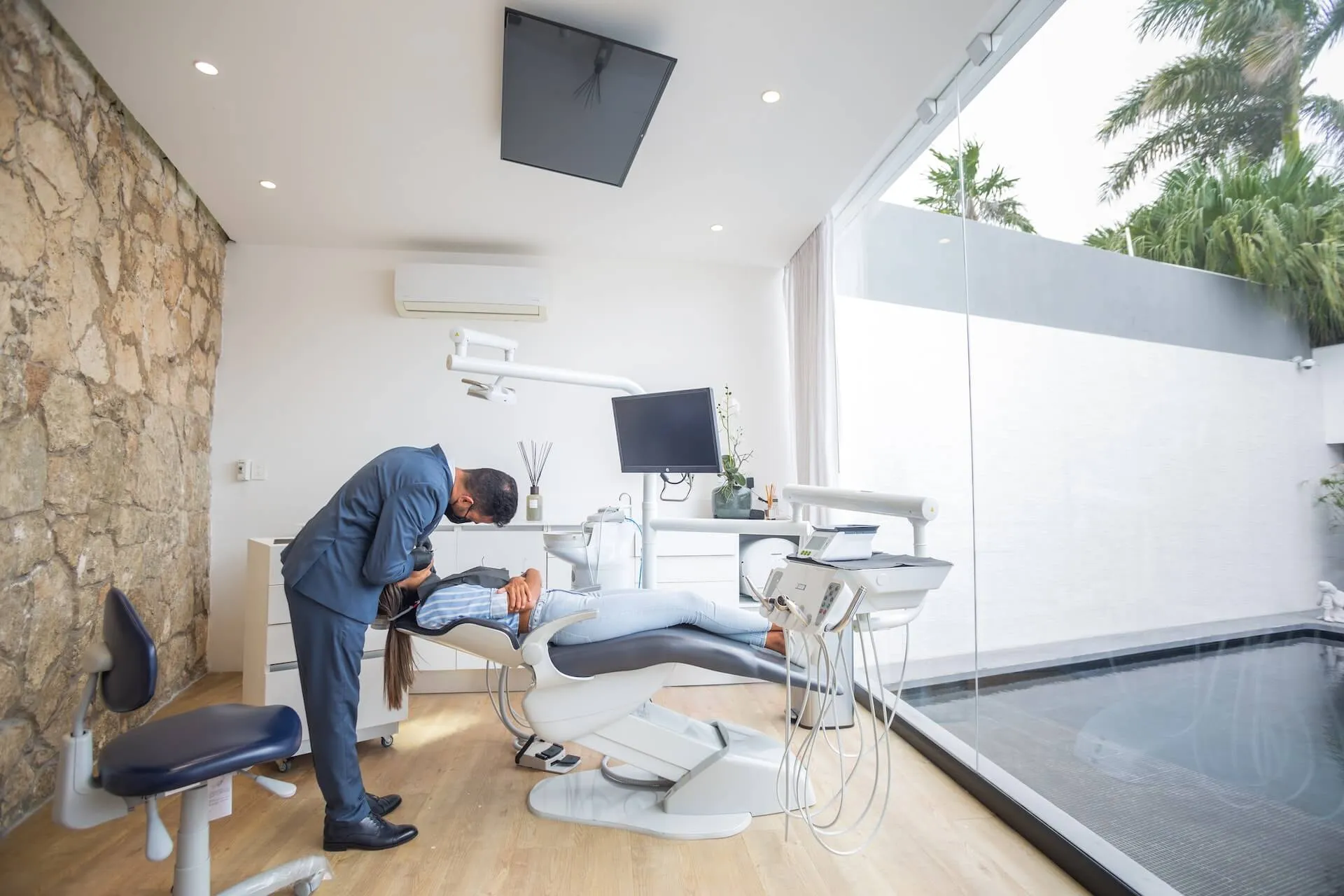
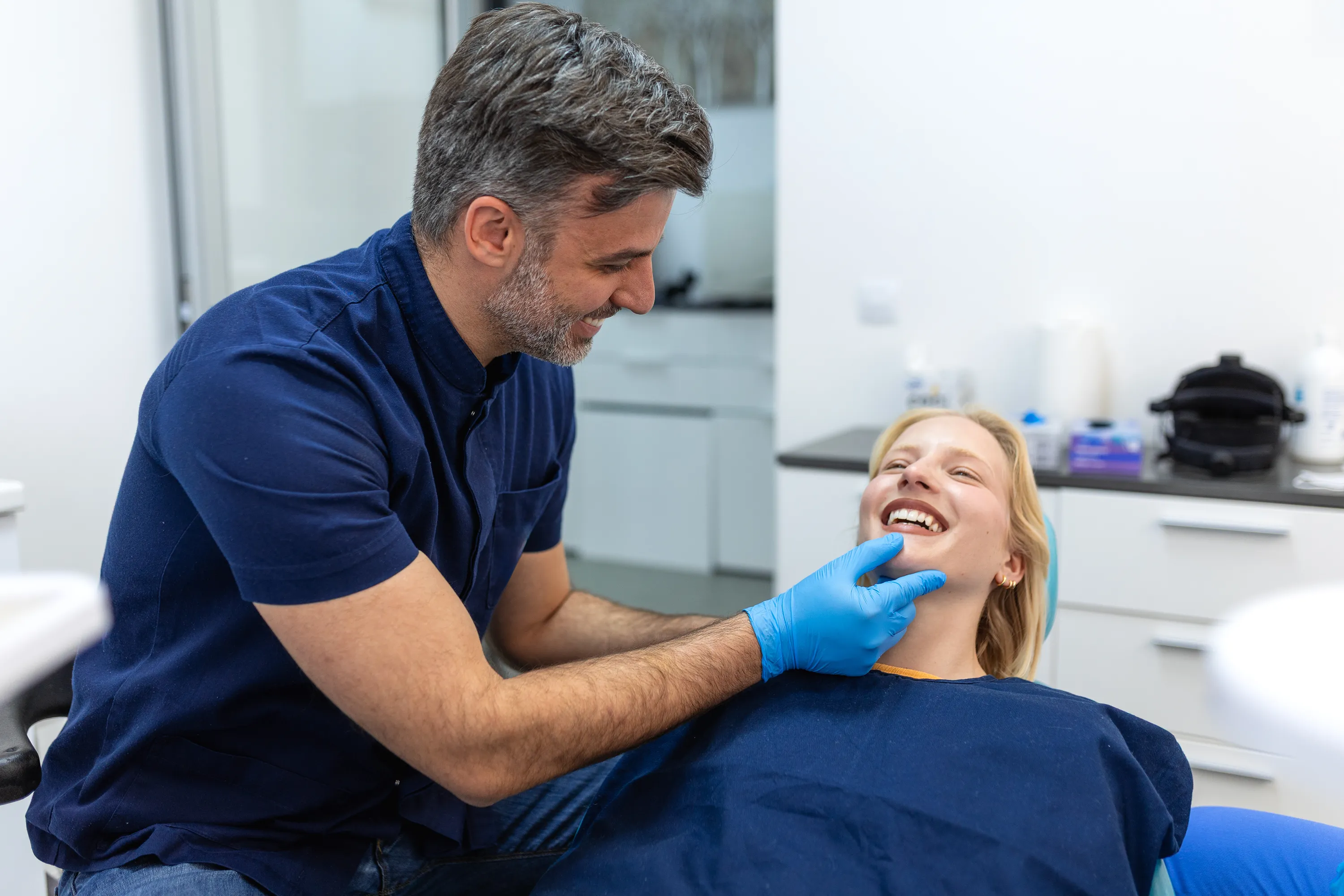
Some dental conditions require more than routine treatment. At MacArthur Dental Arts in Irvine, CA, our team provides oral surgery services for damaged, impacted, or missing teeth, including implant-related procedures, in a comfortable, supportive environment.



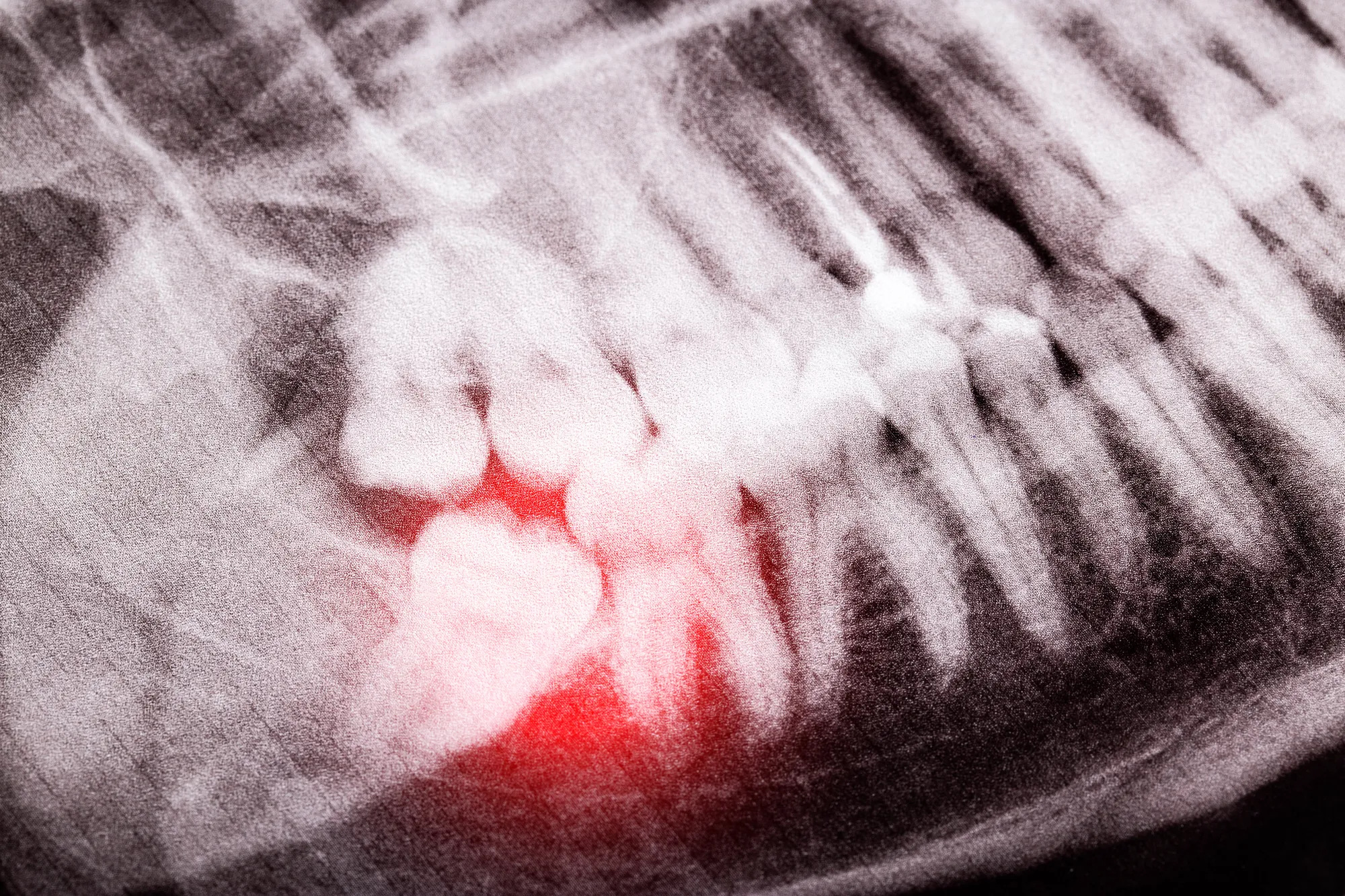
Complex extractions, impacted teeth, and implant-related surgery often call for more than a standard X-ray. Our in-house Cone Beam CT (CBCT) 3D imaging lets your dentist evaluate nerve position, bone structure, and tooth roots before surgery.
Surgical Dental Care for Complex Oral Health Needs
Some dental conditions require more than routine preventive or restorative treatment. Oral surgery includes a range of procedures used to address damaged teeth, impacted teeth, missing teeth, jawbone concerns, and other conditions affecting the mouth.
At MacArthur Dental Arts in Irvine, CA, oral surgery services are available for patients who need surgical dental treatment as part of their overall oral health care. Depending on your needs, treatment may include tooth extractions, wisdom tooth removal, dental implant surgery, bone grafting, sinus lifts, and other procedures.
What Is Oral Surgery?
Oral surgery involves surgical procedures performed to treat conditions affecting the teeth, gums, jawbone, and surrounding oral structures.
Oral surgery may be recommended when a tooth cannot be treated with a routine dental procedure or when surgical treatment is necessary to prepare for another treatment, such as dental implants.
Your dentist will evaluate your condition and explain whether oral surgery is appropriate and what treatment options are available.
When Might Oral Surgery Be Needed?
Oral surgery may be considered for a variety of dental concerns, including:
- Severely damaged or non-restorable teeth
- Impacted wisdom teeth
- Teeth that require surgical extraction
- Missing teeth requiring dental implant placement
- Insufficient jawbone for planned dental implants
- Bone loss affecting implant treatment
- Certain gum or oral health conditions requiring surgical care
- Other complex dental conditions that cannot be addressed through routine treatment
The need for surgery depends on your individual diagnosis and oral health.
Oral Surgery Procedures at MacArthur Dental Arts
Tooth Extractions
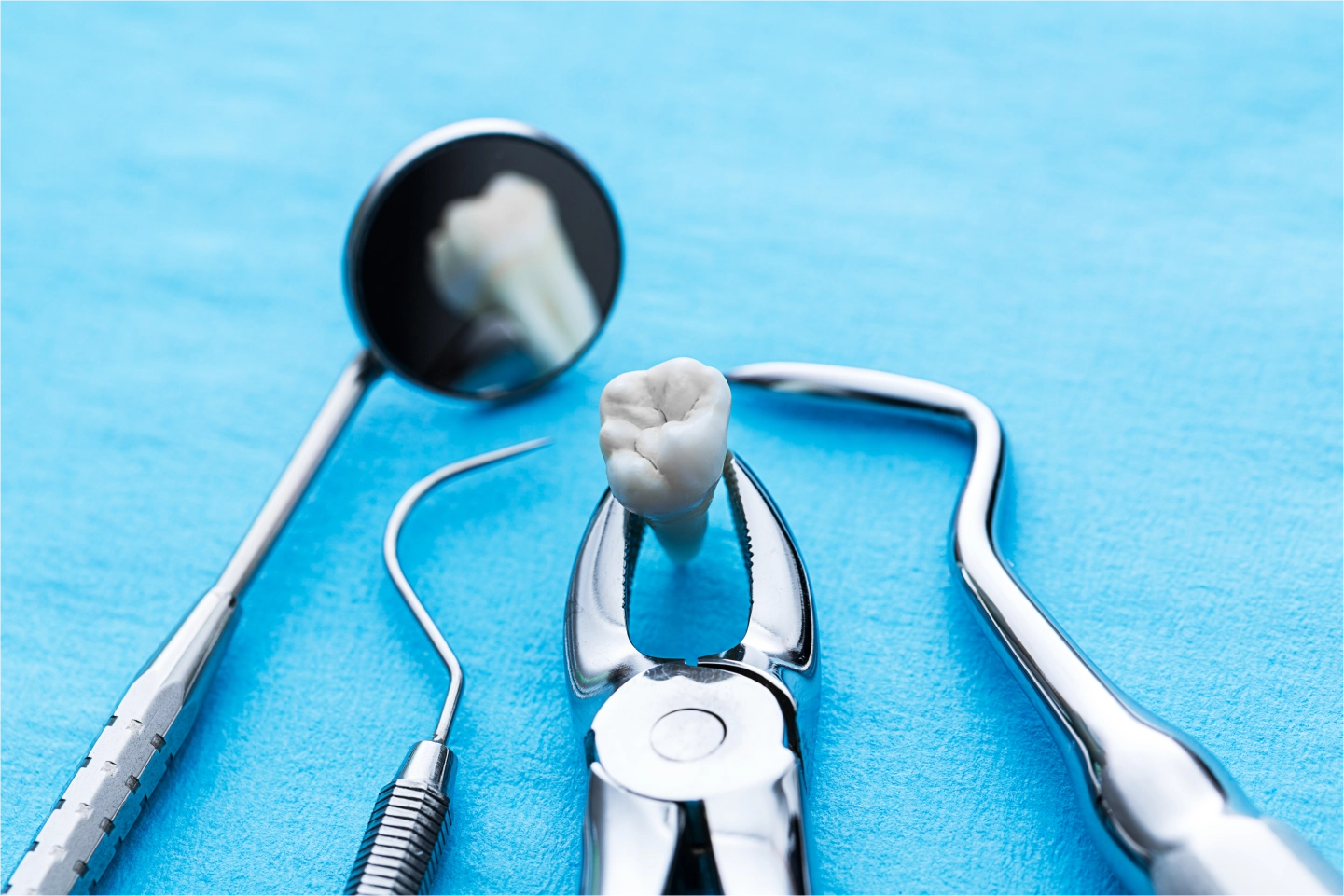
When a tooth is severely damaged, infected, impacted, or otherwise cannot be restored, extraction may be recommended.
The dentist will first evaluate the tooth and surrounding structures to determine the most appropriate approach. Some extractions are straightforward, while others may require a surgical technique.
After an extraction, your dentist will provide instructions for protecting the treatment area while it heals.
Wisdom Tooth Removal
Wisdom teeth, also known as third molars, may become impacted or create problems because of their position in the mouth.
Depending on their condition and position, wisdom teeth may require surgical removal. An examination and dental imaging can help your dentist determine whether extraction is appropriate.
Dental Implant Surgery
Dental implants are surgically placed into the jawbone to replace the root portion of missing teeth.
MacArthur Dental Arts provides implant treatment ranging from single-tooth replacement to multiple implants and full mouth implant solutions.
Implant surgery may involve several stages, including evaluation, imaging, implant placement, healing, and placement of the final restoration.
Bone Grafting
Adequate bone volume is important for supporting dental implants. When bone has been lost following tooth loss or other conditions, bone grafting may be recommended.
Bone grafting adds bone material to an area where additional support may be needed for planned implant treatment.
Whether grafting is necessary depends on your bone structure and implant treatment plan.
Sinus Lift
A sinus lift may be recommended for certain dental implants in the upper back jaw when there is insufficient bone between the jaw and the sinus.
During treatment, the sinus membrane is carefully moved to create space for additional bone material.
MacArthur Dental Arts offers sinus lift procedures as part of its implant-related surgical services when appropriate.
What Happens During an Oral Surgery Consultation?
Your treatment begins with an examination and discussion of your symptoms or dental concerns.
Depending on the procedure, your dentist may evaluate:
- The affected tooth or teeth
- Your gums and surrounding tissues
- The condition of the jawbone
- Your bite
- Existing dental restorations
- Your overall oral health
Dental X-rays or 3D imaging may be used to provide additional information about the tooth, bone, nerves, sinuses, or other structures involved.
MacArthur Dental Arts uses digital dental imaging and 3D imaging technology when appropriate for diagnosis and treatment planning.
Once your evaluation is complete, your dentist can explain the recommended procedure, alternatives, expected recovery, and aftercare instructions.
Preparing for Oral Surgery
Your preparation depends on the type of oral surgery being performed.
Before treatment, your dental team may provide instructions regarding:
- Eating and drinking before the appointment
- Medications
- Oral hygiene
- Arranging transportation if sedation is used
- What to expect during recovery
- Post-operative care
Be sure to provide your dentist with an up-to-date medical and medication history so that your treatment can be planned appropriately.
Sedation Options for Oral Surgery
Some patients experience anxiety about dental procedures or feel more comfortable with additional relaxation during treatment.
MacArthur Dental Arts offers oral sedation for appropriate patients. Your dentist can discuss whether sedation is suitable for your procedure and explain the instructions you should follow before and after treatment.
If sedation is used, you may need someone to accompany you and arrange transportation home. Follow the specific instructions provided by your dental team.
What Is Recovery Like After Oral Surgery?
Recovery varies depending on the type and extent of surgery.
Temporary symptoms such as swelling, tenderness, or sensitivity may occur following some procedures. Your dentist will provide specific instructions for caring for the surgical area and reducing the risk of complications.
After surgery, you may be advised to:
- Follow your dentist's oral hygiene instructions
- Avoid disturbing the surgical area
- Follow dietary recommendations
- Take medications only as directed
- Attend any recommended follow-up appointments
- Contact your dental office if you experience unexpected or worsening symptoms
Your dentist will explain what is normal during recovery and when you should contact the office.
Oral Surgery and Dental Implants
Oral surgery may be an important part of dental implant treatment.
Depending on your needs, implant treatment may involve:
- Evaluation and imaging
- Tooth extraction when necessary
- Bone grafting if additional bone is required
- Sinus lift when appropriate
- Dental implant placement
- Healing and implant integration
- Placement of the final restoration
Not every patient requires all of these procedures. Your treatment plan is determined by your individual oral health and implant needs.
Frequently Asked Questions
What procedures are considered oral surgery?
Oral surgery includes several types of surgical dental procedures, including tooth extractions, wisdom tooth removal, dental implant placement, bone grafting, and sinus lifts. The appropriate procedure depends on your dental condition.
Is oral surgery painful?
Local anesthesia is used during many oral surgical procedures to keep you comfortable during treatment. Some soreness, swelling, or tenderness may occur afterward. Your dentist will provide post-operative instructions based on your specific procedure.
Do I need sedation for oral surgery?
Sedation is not required for every patient or procedure. MacArthur Dental Arts offers oral sedation for appropriate patients. Your dentist can discuss whether sedation may be suitable for your treatment.
How long does oral surgery take?
The length of an oral surgery appointment depends on the procedure and its complexity. Your dental team can provide an expected appointment length during treatment planning.
How long does it take to recover from oral surgery?
Recovery varies according to the procedure performed and the individual patient. Your dentist will explain the expected healing process and provide instructions for caring for the surgical area.
Can oral surgery be used to prepare for dental implants?
Yes. Procedures such as tooth extraction, bone grafting, and sinus lifts may be performed as part of an implant treatment plan when necessary.
Will I need a follow-up appointment after oral surgery?
Depending on the procedure, your dentist may recommend a follow-up visit to assess healing and determine whether additional treatment is needed.
Schedule an Oral Surgery Consultation in Irvine
If you have a damaged tooth, impacted wisdom tooth, missing teeth, or another dental condition that may require surgical treatment, an evaluation can help determine the appropriate next step.
MacArthur Dental Arts provides several oral surgical procedures in Irvine, including tooth extractions, wisdom tooth removal, dental implant surgery, bone grafting, and sinus lifts.
Schedule your oral surgery consultation in Irvine, CA, today. Call (949) 251-8544 or request an appointment with MacArthur Dental Arts at 17897 MacArthur Blvd, Suite 100, Irvine, CA 92614.



.svg)


