




HOME
.svg)
About Us

OUR PHILOSOPHY
WHY CHOOSE US
MEET OUR DOCTORS
MEET OUR TEAM
TESTIMONIALS
GENERAL DENTISTRY
COSMETIC DENTISTRY
RESTORATIVE DENTISTRY
FULL MOUTH RECONSTRUCTION
ORAL SURGERY
ORTHODONTICS
DENTAL ANXIETY
OTHER SERVICES

VIEW ALL SERVICES
SMILE GALLERY
Insurance
Payment Options
Membership Programs
Offers

Help Hub
FAQs
Home Care Instructions
BLOG

Contact
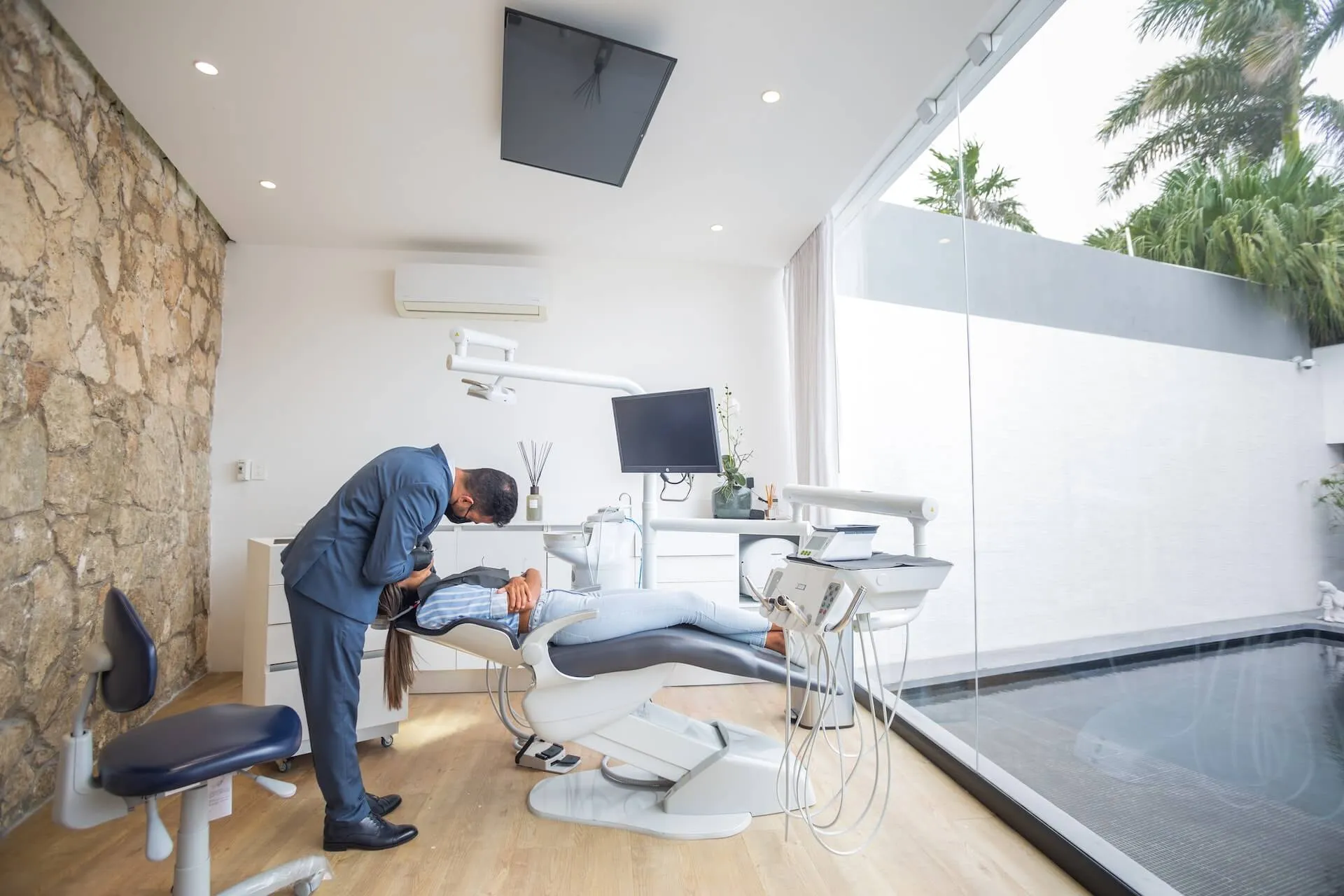
TMJ & Teeth Grinding Treatment
Relief for jaw pain, headaches, and tooth wear caused by TMJ disorders or grinding.


.webp)
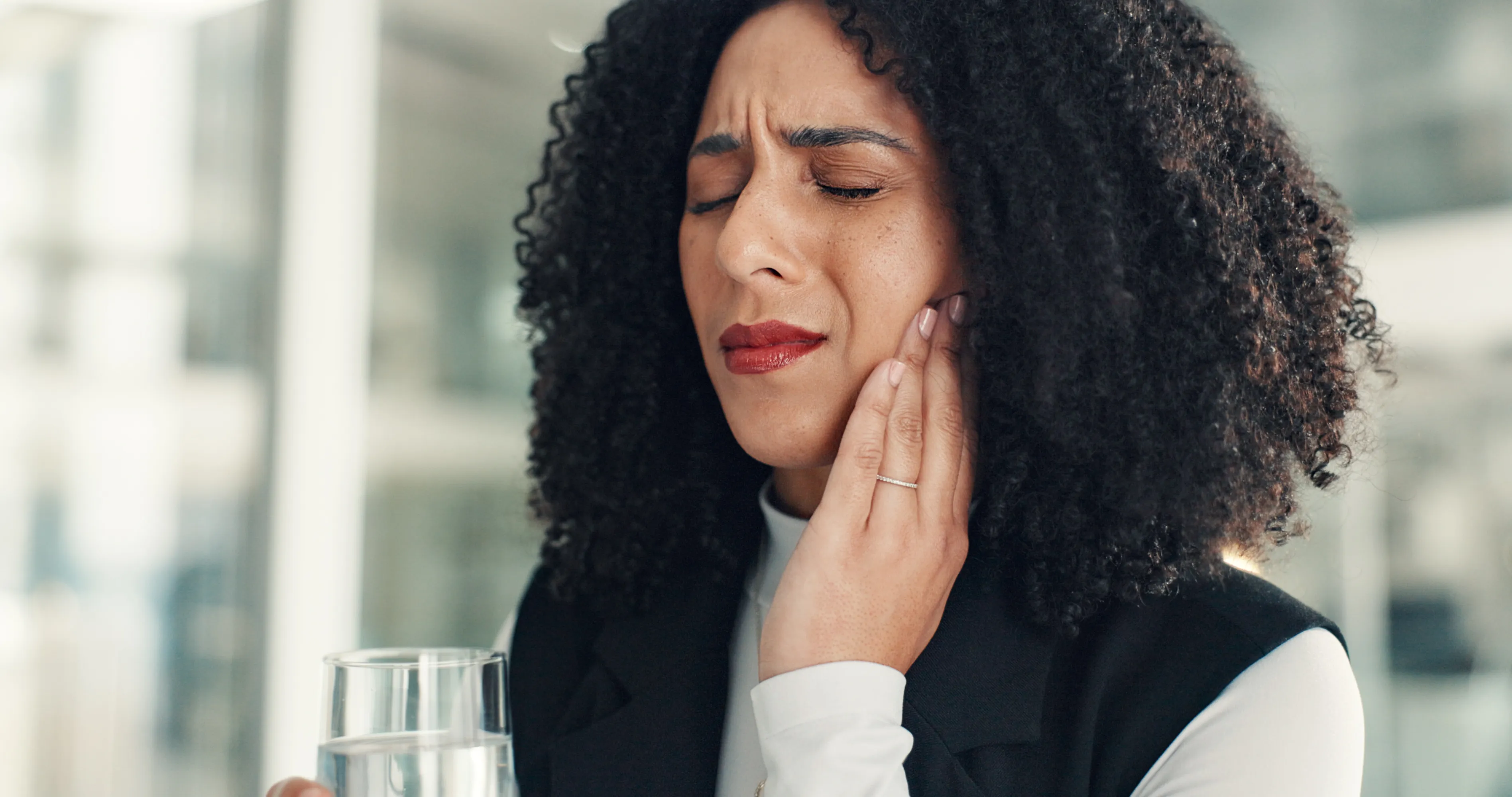
Jaw discomfort, teeth grinding, and clenching can affect the muscles and joints responsible for moving your jaw. These concerns may contribute to jaw pain, headaches, tooth sensitivity, or damage to the teeth.
At MacArthur Dental Arts in Irvine, CA, your dentist can evaluate symptoms associated with temporomandibular joint disorders (TMD) and teeth grinding and determine whether treatment may be appropriate.
What Are TMJ Disorders?
The temporomandibular joints, commonly called the TMJs, connect the lower jaw to the skull and allow you to open, close, and move your jaw. Problems involving these joints or the surrounding muscles are often referred to as temporomandibular disorders, or TMD.
- Jaw pain or tenderness
- Pain when chewing
- Clicking or popping sounds
- Difficulty opening or closing the mouth
- Headaches
- Ear-area discomfort
Clicking or popping by itself does not necessarily mean treatment is needed. An examination can help determine whether your symptoms are related to a TMJ disorder or another dental concern.
What Is Teeth Grinding?
Teeth grinding, or bruxism, involves clenching or grinding the teeth, which can occur while awake or during sleep. Some people do not realize they grind their teeth until a dentist notices signs of wear or a partner hears it happening at night.
- Flattened or worn tooth surfaces
- Chipped or fractured teeth
- Tooth sensitivity
- Jaw muscle soreness
- Morning jaw discomfort
- Headaches
Treatment Options
- Custom Night Guard: A dental appliance worn during sleep that creates a protective barrier between the upper and lower teeth.
- Monitoring Tooth Wear: Your dentist tracks changes in your teeth over time and recommends treatment if significant wear develops.
- Addressing Contributing Problems: Treatment for damaged teeth, bite-related concerns, or other dental issues that may be contributing to your symptoms.
A custom night guard does not necessarily stop the underlying tendency to grind, but it can reduce direct tooth-to-tooth contact and help protect your teeth from further damage.
When Should I See a Dentist?
- Persistent jaw pain or pain when chewing
- Frequent headaches associated with jaw discomfort
- Tooth sensitivity without another obvious cause
- Noticeable tooth wear or repeatedly chipped teeth
- Difficulty opening or closing your mouth
- Morning jaw soreness or suspected nighttime grinding
Frequently Asked Questions
What is TMJ?
TMJ refers to the temporomandibular joint, which connects the lower jaw to the skull. Problems involving the joint or surrounding muscles are more accurately described as temporomandibular disorders, or TMD.
How do I know if I grind my teeth at night?
You may notice morning jaw soreness, headaches, tooth sensitivity, flattened or worn teeth, or chipped teeth. A sleep partner may also notice grinding sounds.
Can a night guard stop me from grinding?
A night guard does not necessarily stop the act of grinding, but it can provide a protective barrier between the teeth and reduce direct tooth-to-tooth contact.
Is jaw clicking always a sign of a TMJ disorder?
No. Jaw clicking or popping can occur without pain or functional problems. Your dentist can evaluate the joint if clicking is persistent, painful, or accompanied by other symptoms.
Can TMJ problems go away on their own?
Some jaw symptoms may improve without extensive treatment, while others may persist or worsen. Ongoing pain or difficulty opening your mouth should be evaluated.
Schedule a Consultation
Contact MacArthur Dental Arts at (949) 251-8544 to schedule a TMJ or teeth grinding evaluation in Irvine, CA.



.svg)


