
HOME

About Us

OUR PHILOSOPHY
WHY CHOOSE US
MEET OUR DOCTORS
MEET OUR TEAM
TESTIMONIALS
GENERAL DENTISTRY
COSMETIC DENTISTRY
RESTORATIVE DENTISTRY
FULL MOUTH RECONSTRUCTION
ORAL SURGERY
ORTHODONTICS
DENTAL ANXIETY
SLEEP APNEA
OTHER SERVICES

VIEW ALL SERVICES
SMILE GALLERY
Insurance
Payment Options
Membership Programs
Offers

Help Hub
FAQs
Home Care Instructions
BLOG
LOCATIONS SERVED

Contact
Sleep Apnea Follow-Up Care
A thin protective coating that helps shield back teeth from decay.


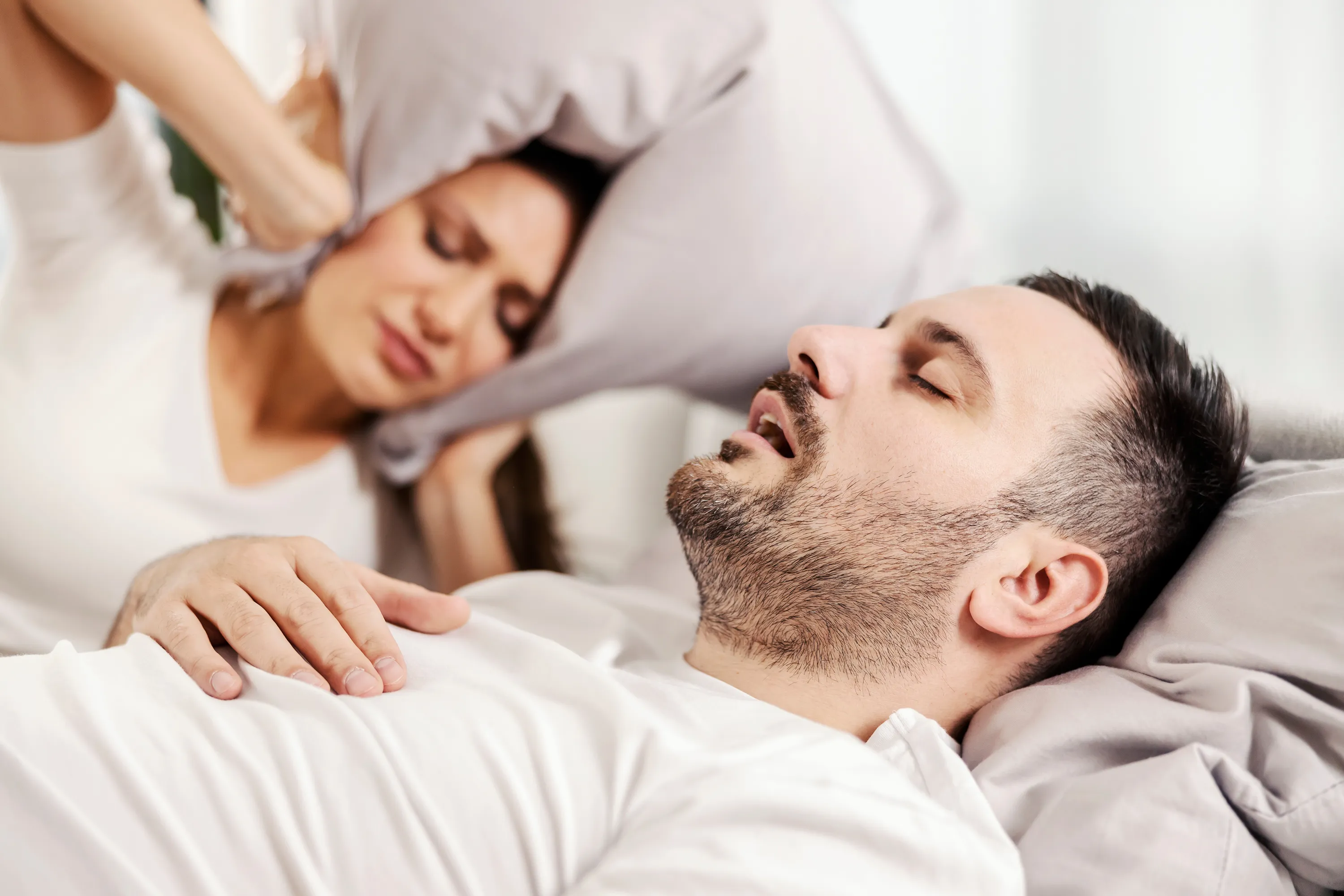
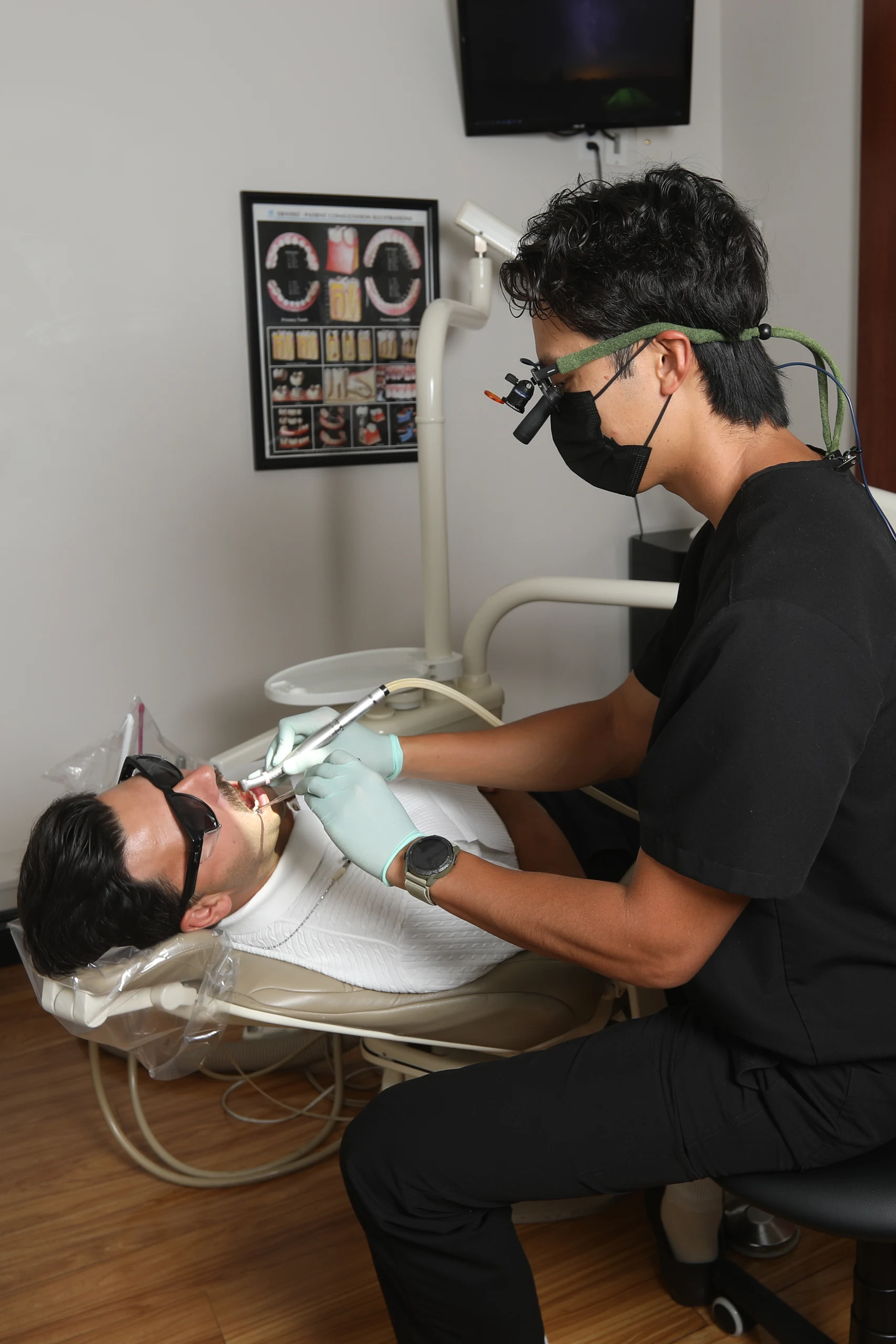
Managing obstructive sleep apnea does not end once treatment begins. Regular follow-up appointments are an important part of monitoring treatment progress, checking the effectiveness of an oral appliance, and addressing any changes in your dental health or sleep-related symptoms.
At MacArthur Dental Arts in Irvine, CA, follow-up care helps patients using oral appliance therapy monitor their treatment and address concerns that may develop over time. Whether you have recently received a custom oral appliance or have been using one for several months, ongoing dental assessments can help ensure that your appliance continues to fit properly and remains suitable for your needs.
Why Is Follow-Up Care Important for Sleep Apnea?
Obstructive sleep apnea is a sleep-related breathing disorder that requires ongoing management. Even after starting treatment, symptoms and treatment needs may change.
Regular follow-up appointments allow your dentist to:
- Check whether your oral appliance fits correctly.
- Monitor changes in your teeth, gums, jaw, and bite.
- Identify potential appliance-related side effects.
- Discuss any persistent snoring or sleep-related symptoms.
- Determine whether adjustments or additional evaluations are needed.
Follow-up care also helps identify concerns early, allowing your dental team to recommend appropriate next steps.
When Should You Schedule a Sleep Apnea Follow-Up Appointment?
The frequency of follow-up visits depends on your treatment plan, the type of oral appliance you use, and your individual response to therapy.
You should consider scheduling an appointment if you experience:
- Persistent or returning snoring.
- Continued daytime sleepiness or fatigue.
- Jaw discomfort after wearing your appliance.
- Changes in how your upper and lower teeth meet.
- Tooth sensitivity or gum irritation.
- Difficulty inserting or removing your appliance.
- Cracks, damage, or changes in the appliance's fit.
Even if you are not experiencing noticeable problems, routine appointments remain important for monitoring your oral health and appliance condition.
What Happens During a Sleep Apnea Follow-Up Appointment?
A follow-up appointment involves reviewing your experience with treatment and checking whether your oral appliance continues to meet your needs.
Your dentist may assess several areas.
Review of Sleep-Related Symptoms
Your dentist may ask whether you have noticed changes in snoring, sleep quality, morning headaches, or daytime tiredness.
These details can help identify concerns that may require further evaluation.
Oral Appliance Examination
The appliance is checked for signs of wear, damage, looseness, or changes in fit.
Your dentist may also assess whether it is functioning as intended according to your treatment plan.
Teeth and Gum Examination
Wearing an oral appliance regularly can sometimes affect the teeth and surrounding oral structures.
Your dentist will examine your teeth, gums, and other oral tissues for possible changes.
Jaw and Bite Assessment
Some patients experience jaw discomfort or changes in their bite while using an oral appliance.
Your dentist may evaluate your jaw movement, muscle comfort, and the way your upper and lower teeth come together.
Treatment Progress Review
Your dentist will discuss your experience with the appliance and determine whether adjustments, continued monitoring, or further assessment may be necessary.
Oral Appliance Adjustments During Follow-Up Care
An oral appliance for obstructive sleep apnea works by repositioning the lower jaw or tongue to help maintain an open airway during sleep.
However, the appliance may require adjustments to improve comfort and maintain appropriate positioning.
Depending on the device and your treatment response, adjustments may involve:
- Modifying the jaw advancement setting.
- Addressing pressure points or areas of irritation.
- Improving the fit of the appliance.
- Checking the alignment of the appliance components.
- Reviewing how comfortably you can wear it throughout the night.
Adjustments should always be performed under professional guidance. Making changes independently may affect comfort and treatment effectiveness.
Monitoring Changes in Your Bite and Jaw
One important aspect of sleep apnea follow-up care is monitoring possible dental and jaw-related changes.
Some patients who regularly wear mandibular advancement devices may develop changes in how their teeth meet over time.
These changes can include:
- A different feeling when biting down.
- Changes in the position of certain teeth.
- Jaw stiffness or muscle soreness.
- Discomfort around the jaw joints.
- Difficulty bringing the teeth together comfortably in the morning.
Your dentist may recommend specific exercises, appliance adjustments, or other measures depending on your symptoms and examination findings.
If you notice persistent changes in your bite, inform your dentist rather than discontinuing or modifying the appliance without guidance.
What If You Still Have Sleep Apnea Symptoms?
Experiencing persistent symptoms despite using an oral appliance does not necessarily mean that treatment has failed. However, it is important not to ignore them.
If you continue to experience loud snoring, daytime sleepiness, morning headaches, or other symptoms, your dentist may recommend further evaluation.
A follow-up sleep study may be necessary to determine whether the appliance is adequately managing your obstructive sleep apnea.
Your dentist may also coordinate with your sleep physician to discuss whether additional treatment or changes to your existing treatment plan are appropriate.
Remember that feeling better does not always mean that sleep apnea is fully controlled. Objective sleep testing, when recommended, plays an important role in assessing treatment effectiveness.
How Often Do You Need Sleep Apnea Follow-Up Visits?
There is no single follow-up schedule that applies to everyone. Your dentist will recommend appointments based on your appliance, oral health, symptoms, and treatment progress.
A general follow-up approach may include:
Initial Follow-Up
An early appointment after receiving your appliance helps assess its fit, comfort, and initial use.
Adjustment Visits
Additional visits may be required while your appliance is being adjusted to improve comfort and treatment response.
Ongoing Monitoring
Once you are comfortable using the appliance, periodic dental examinations help monitor your teeth, gums, jaw, and appliance condition.
Long-Term Review
Long-term assessments help identify wear, changes in your oral structures, and any concerns that could affect continued appliance use.
Your sleep physician may also recommend periodic reassessment of your sleep apnea.
Tips for Maintaining Your Oral Appliance Between Appointments
Taking proper care of your oral appliance can help maintain its condition and support consistent use.
Consider the following recommendations:
- Clean your appliance according to the manufacturer's instructions.
- Store it in its protective case when not in use.
- Avoid exposing it to excessive heat.
- Check regularly for visible damage or wear.
- Maintain good brushing and flossing habits.
- Keep up with routine dental examinations.
- Contact your dentist if the appliance becomes uncomfortable or damaged.
Do not attempt to repair a damaged appliance yourself.
What Happens If You Stop Using Your Oral Appliance?
Stopping oral appliance therapy without consulting your healthcare provider may allow sleep apnea symptoms to return.
If you find the appliance uncomfortable, difficult to wear, or inconvenient, discuss these concerns with your dentist.
There may be adjustments or alternative treatment approaches worth considering.
It is also important to remember that obstructive sleep apnea can continue even when symptoms become less noticeable. Do not discontinue prescribed treatment without discussing it with your sleep physician.
Sleep Apnea Follow-Up Care vs. Routine Dental Check-Ups
Although both appointments involve examining your oral health, sleep apnea follow-up visits focus specifically on monitoring your oral appliance and its effects.
During a sleep apnea follow-up, your dentist evaluates the appliance's fit and condition, reviews any sleep-related symptoms, checks for changes in your bite, and addresses jaw discomfort or other appliance-related concerns.
In comparison, routine dental check-ups primarily focus on your overall oral health, including checking for cavities, gum disease, plaque build-up, and other dental concerns.
Both types of appointments are important for maintaining your oral health while managing sleep apnea with oral appliance therapy.
Frequently Asked Questions About Sleep Apnea Follow-Up Care
Why do I need follow-up appointments after receiving a sleep apnea oral appliance?
Follow-up appointments help your dentist monitor appliance fit, check for changes in your teeth and bite, address discomfort, and assess your experience with treatment. They also help identify concerns that may require further evaluation.
How often should I visit my dentist for sleep apnea follow-up care?
The frequency depends on your appliance, treatment progress, and oral health. Your dentist will recommend an appropriate schedule, including additional visits if adjustments are needed.
Can my oral appliance become less effective over time?
Changes in the appliance, your dental structures, or your sleep-related condition may affect treatment. Regular dental assessments and sleep testing when recommended can help evaluate whether treatment remains appropriate.
What if I still snore while wearing my oral appliance?
Persistent snoring should be discussed with your dentist and sleep physician. Your appliance may need assessment or adjustment, and additional sleep testing may be recommended to evaluate treatment effectiveness.
Can a sleep apnea oral appliance change my bite?
Yes. Some patients experience changes in their bite after prolonged use of mandibular advancement devices. Regular monitoring helps identify these changes and determine whether adjustments or other measures are needed.
Do I need another sleep study after receiving an oral appliance?
Your sleep physician may recommend a follow-up sleep study to determine whether the appliance is adequately managing your sleep apnea. Symptom improvement alone cannot confirm that the condition is controlled.
Should I stop wearing my appliance if my jaw feels uncomfortable?
Contact your dentist if you experience persistent jaw discomfort. Your dentist can assess the cause and determine whether adjustments are necessary. Do not make appliance modifications independently.
Can I skip follow-up appointments if I no longer snore?
It is not advisable to skip recommended follow-up appointments. Reduced snoring does not necessarily mean that sleep apnea is fully controlled. Continued dental monitoring and sleep-related assessments may still be necessary.
Does sleep apnea follow-up care include checking the condition of my teeth?
Yes. Your dentist examines your teeth, gums, jaw, and bite to identify changes that may develop with regular oral appliance use.
Schedule Your Sleep Apnea Follow-Up Appointment in Irvine
Ongoing monitoring is an important part of managing sleep apnea with oral appliance therapy. Regular follow-up appointments help assess appliance fit, monitor dental changes, and address concerns that may affect your treatment experience.
At MacArthur Dental Arts, your dentist can evaluate your oral appliance, check your dental health, and discuss any adjustments or further assessments that may be needed.
If you use an oral appliance for sleep apnea, schedule a follow-up appointment in Irvine, CA, to keep your dental care on track.
Call (949) 251-8544 or visit MacArthur Dental Arts at 17897 MacArthur Boulevard, Suite 100, Irvine, CA 92614, to request an appointment.