
HOME

About Us

OUR PHILOSOPHY
WHY CHOOSE US
MEET OUR DOCTORS
MEET OUR TEAM
TESTIMONIALS
GENERAL DENTISTRY
COSMETIC DENTISTRY
RESTORATIVE DENTISTRY
FULL MOUTH RECONSTRUCTION
ORAL SURGERY
ORTHODONTICS
DENTAL ANXIETY
SLEEP APNEA
OTHER SERVICES

VIEW ALL SERVICES
SMILE GALLERY
Insurance
Payment Options
Membership Programs
Offers

Help Hub
FAQs
Home Care Instructions
BLOG
LOCATIONS SERVED

Contact
Airway Screening
A thin protective coating that helps shield back teeth from decay.


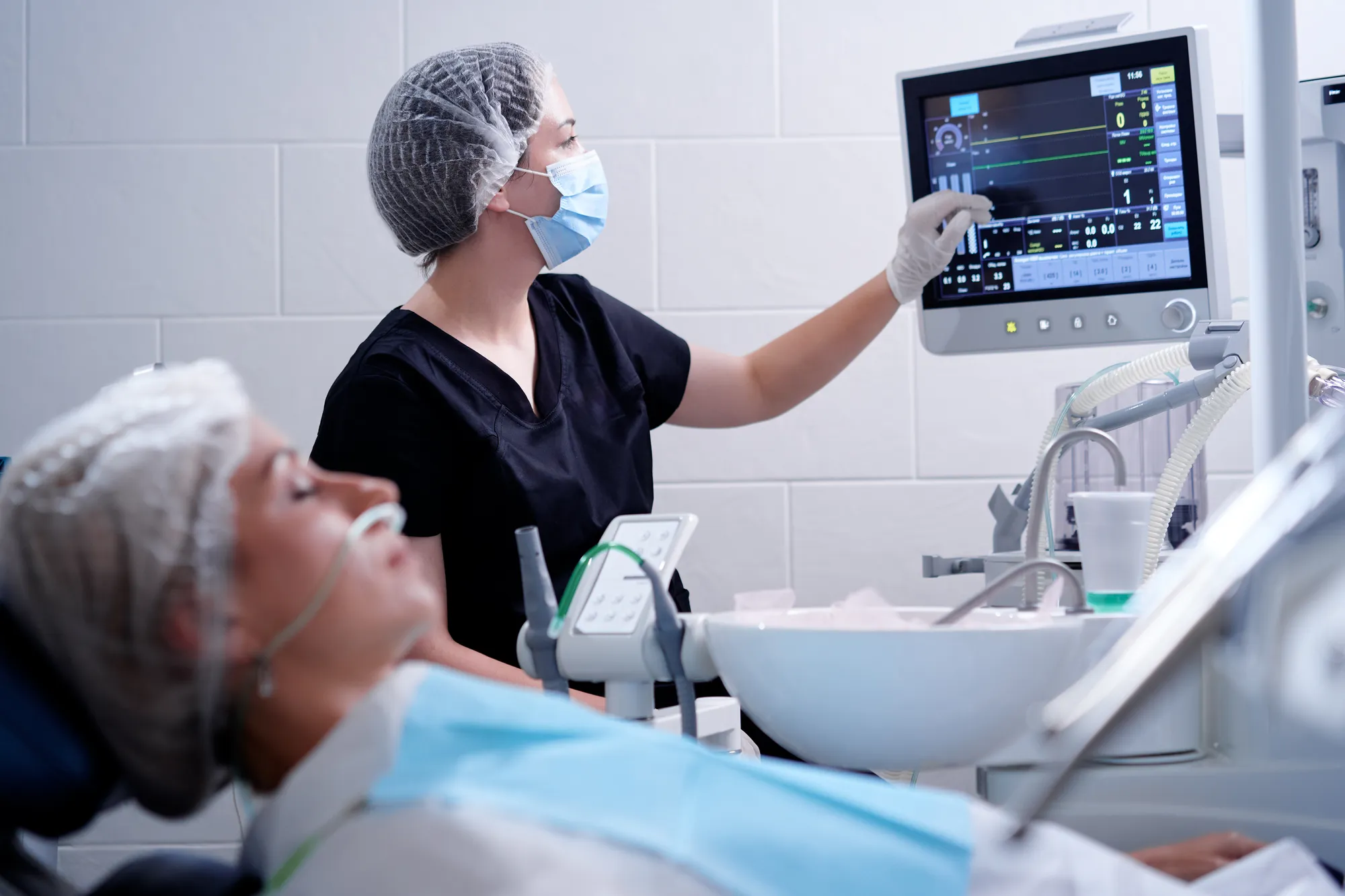
Understand Your Airway Health and Take a Step Toward Better Breathing
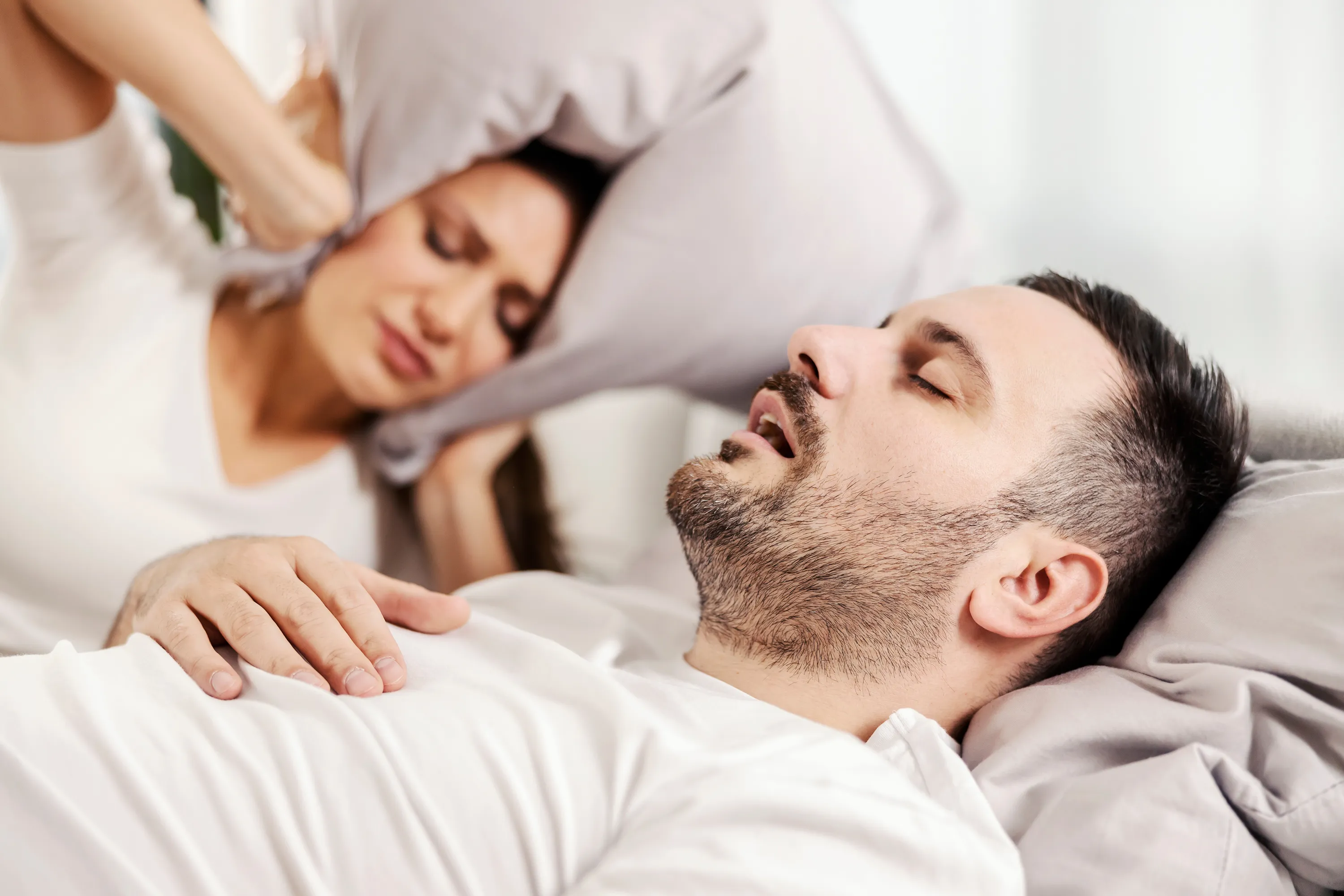
Do you frequently snore, wake up with a dry mouth, or feel tired even after a full night's sleep? These symptoms may be associated with restricted airflow during sleep and could indicate an underlying sleep-related breathing concern.
At MacArthur Dental Arts, airway screening helps identify potential anatomical and oral health factors that may contribute to breathing difficulties during sleep.
Your airway plays an important role in maintaining healthy breathing, particularly when you are asleep. Changes in jaw position, tongue posture, and the surrounding soft tissues can affect the amount of space available for airflow.
When the airway becomes narrowed or blocked during sleep, it may contribute to snoring, disrupted breathing, and conditions such as obstructive sleep apnea (OSA).
Airway screening is an initial assessment that helps identify potential concerns and determine whether further evaluation may be necessary.
Whether you are experiencing persistent snoring, poor sleep quality, or unexplained daytime fatigue, an airway screening can be a useful starting point for understanding your symptoms.
What Is Airway Screening?
Airway screening is an assessment of certain anatomical, oral, and functional factors that may influence how air moves through your breathing passages.
In dental sleep medicine, screening may include an evaluation of the oral structures and jaw-related features that can contribute to airway narrowing.
The assessment may consider:
- Jaw position and structure.
- Tongue size and resting position.
- The space available in the oral cavity.
- Soft tissue structures in the mouth and throat.
- Bite alignment and dental anatomy.
- Relevant symptoms associated with sleep-disordered breathing.
These factors can sometimes influence the position of the tongue and surrounding tissues during sleep.
For example, when throat muscles relax during sleep, the tongue and soft tissues may move backward and partially obstruct airflow in susceptible individuals.
Airway screening helps identify features that may warrant further investigation. However, it is important to understand that screening is not a substitute for a formal sleep apnea diagnosis.
Why Is Airway Screening Important?
Breathing difficulties during sleep are not always easy to recognize. Some individuals may experience repeated interruptions in breathing without realizing it.
Airway screening helps identify potential concerns that could otherwise go unnoticed.
Here are some reasons why an airway assessment may be beneficial:
- Identifies Potential Airway Concerns: Evaluates oral and anatomical features that may contribute to restricted airflow.
- Recognizes Sleep-Related Symptoms: Helps connect symptoms such as snoring, nighttime awakenings, and daytime fatigue with possible breathing concerns.
- Supports Early Referral: Identifies individuals who may benefit from a more comprehensive sleep evaluation.
- Evaluates Dental Factors: Examines jaw position, bite alignment, and oral structures that may be relevant when considering dental sleep treatments.
- Helps Explore Treatment Options: Provides information that may help determine whether oral appliance therapy or another treatment approach should be discussed.
An airway screening is particularly useful when considered alongside your symptoms, medical history, and any existing sleep study results.
Who Should Consider Airway Screening?
Airway screening may be worth considering for adults who experience symptoms or have anatomical factors associated with sleep-disordered breathing.
You may benefit from an airway assessment if you:
- Snore frequently or loudly.
- Wake up with a dry mouth.
- Experience persistent daytime tiredness.
- Frequently wake up during the night.
- Have been told that you stop breathing while sleeping.
- Wake up gasping or choking.
- Experience difficulty maintaining restful sleep.
- Have previously been diagnosed with obstructive sleep apnea.
- Are exploring oral appliance therapy as a CPAP alternative.
Airway screening may also be useful for individuals who want to understand whether their oral anatomy could be contributing to sleep-related breathing concerns.
Not everyone with these symptoms has an airway obstruction or sleep apnea. Additional testing may be necessary to determine the underlying cause.
What Does an Airway Screening Evaluate?
An airway screening focuses on several oral and anatomical features that may influence breathing during sleep.
At MacArthur Dental Arts, the assessment may include the following considerations:
1. Jaw Position and Structure
The position and structure of your upper and lower jaws can influence the space available for your tongue and surrounding oral tissues.
A lower jaw positioned farther back may be associated with reduced space in certain airway-related structures.
Evaluating jaw position can help identify anatomical factors that may be relevant when discussing oral appliance therapy.
2. Tongue Position and Oral Space
The tongue plays an important role in maintaining the space available for airflow.
During sleep, reduced muscle activity may allow the tongue to move backward in some individuals, contributing to airway narrowing.
An assessment of tongue position, size, and available oral space can provide useful information about potential airway-related concerns.
3. Bite Alignment and Dental Anatomy
Your bite and dental structure can influence how your jaw functions and how comfortably a dental appliance may fit.
We evaluate relevant dental factors, including tooth alignment, bite relationships, and oral health.
This information is particularly important when considering whether you may be suitable for a custom oral appliance.
4. Oral and Soft Tissue Structures
The soft tissues of the mouth and throat contribute to the structure of the upper airway.
An oral examination may help identify certain anatomical features that could be associated with airway narrowing.
These observations are considered alongside your symptoms and medical history rather than being used alone to diagnose sleep apnea.
5. Sleep-Related Symptoms and Medical History
Your reported symptoms provide important context for understanding possible airway concerns.
We may discuss:
- Snoring frequency and intensity.
- Nighttime breathing interruptions.
- Daytime fatigue.
- Morning headaches.
- Sleep quality and patterns.
- Previous sleep apnea diagnoses.
- Existing CPAP or oral appliance use.
This information helps determine whether additional medical assessment may be appropriate.
What Is the Airway Screening Process at MacArthur Dental Arts?
At MacArthur Dental Arts, we take an individualized approach to airway screening. Our goal is to understand your concerns, evaluate relevant oral structures, and help you determine whether further assessment may be beneficial.
1. Initial Consultation and Symptom Discussion
Your screening begins with a discussion about your breathing and sleep-related concerns.
We ask about symptoms such as snoring, interrupted sleep, daytime fatigue, and waking up with a dry mouth.
We may also review your relevant medical and dental history to better understand your individual needs.
2. Oral and Dental Examination
Next, we assess relevant dental and oral structures.
This may include evaluating your teeth, gums, bite alignment, jaw movement, tongue position, and other anatomical features.
The examination helps identify factors that may influence your suitability for dental sleep treatment.
3. Airway-Related Assessment
We consider anatomical features that may be associated with restricted airflow.
The findings are reviewed alongside your reported symptoms and medical history to identify whether additional sleep-related evaluation may be appropriate.
4. Review of Findings and Recommendations
Once the screening is complete, we discuss the observations and explain what they may mean for your next steps.
If your symptoms suggest possible obstructive sleep apnea, we may recommend further evaluation by a qualified sleep physician.
If you already have a sleep apnea diagnosis, we can discuss whether oral appliance therapy may be an appropriate treatment option based on your dental health and medical findings.
5. Treatment Discussion and Follow-Up
For patients who may benefit from dental sleep treatment, we explain the available options and what the process involves.
This may include discussing custom oral appliance therapy, its potential benefits, limitations, and the importance of follow-up monitoring.
If additional diagnostic testing is required, we can help guide you toward the appropriate next steps.
How Can Airway Screening Help Identify Potential Sleep Apnea Concerns?
Obstructive sleep apnea occurs when the upper airway repeatedly narrows or becomes blocked during sleep.
Airway screening can identify certain anatomical features that may be associated with this condition.
For example:
- A recessed lower jaw may contribute to reduced space for the tongue.
- Certain tongue positions may affect the space available for airflow.
- Oral and throat anatomy may influence airway dimensions.
- Sleep-related symptoms may indicate a need for further evaluation.
However, airway anatomy alone cannot determine whether someone has obstructive sleep apnea.
A formal diagnosis requires appropriate sleep testing, which may include a home sleep apnea test or an in-lab sleep study, depending on the patient's circumstances.
Airway screening is best viewed as an initial step that helps identify potential concerns and guide further evaluation.
What Happens After an Airway Screening?
The next steps depend on your screening findings, symptoms, and medical history.
If no significant concerns are identified, your dental team may discuss general oral health considerations and whether further evaluation is needed based on your symptoms.
If potential signs of sleep-disordered breathing are identified, additional evaluation may be recommended.
Depending on your individual circumstances, the next steps may include:
- Sleep Apnea Consultation: A more detailed discussion of your symptoms, health history, and possible treatment pathways.
- Sleep Study: A diagnostic test to determine whether sleep apnea is present and assess its severity.
- Oral Appliance Therapy Evaluation: An assessment to determine whether a custom dental device may be suitable for managing diagnosed obstructive sleep apnea.
- Medical Referral: Consultation with a sleep physician or another qualified healthcare professional for further diagnosis and treatment planning.
The goal is to ensure that any treatment recommendation is based on an appropriate evaluation rather than screening findings alone.
Benefits of Airway Screening
Airway screening offers an opportunity to understand certain factors that may influence your breathing and sleep quality.
Potential benefits include:
- Identifies Potential Risk Factors: Helps recognize anatomical and oral features associated with airway concerns.
- Increased Awareness: Helps you understand how jaw position, tongue posture, and oral structures may influence breathing.
- Supports Further Evaluation: Helps identify when additional medical assessment may be appropriate.
- Treatment Planning: Provides relevant dental information when considering oral appliance therapy.
- Individualized Recommendations: Allows your dental team to discuss next steps based on your symptoms and oral health.
- Better Understanding of Sleep Health: Encourages patients to take persistent snoring and sleep-related symptoms seriously.
Airway screening does not guarantee the detection or diagnosis of sleep apnea. Its value lies in identifying potential concerns and helping patients understand when further evaluation may be needed.
Take a Proactive Approach to Airway Health at MacArthur Dental Arts
Healthy breathing is essential for restorative sleep. If you frequently snore, wake up feeling tired, or experience disrupted sleep, understanding the factors that may influence your airway is an important first step.
At MacArthur Dental Arts, we offer airway screening to evaluate relevant oral and anatomical features and identify potential concerns associated with sleep-related breathing difficulties.
Our team can help you understand your screening findings, discuss whether additional evaluation may be needed, and explore dental sleep treatment options when appropriate.
Whether you are concerned about persistent snoring or have already been diagnosed with obstructive sleep apnea, we are here to help you understand your options.
Ready to Learn More About Your Airway Health?
Contact MacArthur Dental Arts today to schedule an airway screening. Take the first step toward understanding your breathing concerns and exploring appropriate options for better-managed sleep health.
Frequently Asked Questions About Airway Screening
What is an airway screening at a dental office?
An airway screening is an initial assessment of oral, dental, and anatomical features that may influence airflow during sleep. It may include an evaluation of jaw position, tongue posture, bite alignment, and relevant symptoms associated with sleep-disordered breathing.
Can airway screening detect sleep apnea?
Airway screening can identify certain features and symptoms associated with sleep apnea, but it cannot confirm a diagnosis. A sleep study and appropriate medical evaluation are generally required to diagnose obstructive sleep apnea.
Who should get an airway screening?
Adults who experience loud snoring, disrupted sleep, daytime fatigue, dry mouth upon waking, or nighttime breathing interruptions may benefit from discussing airway screening with their dental provider.
Does airway screening involve any pain or discomfort?
Airway screening generally involves a visual examination and assessment of oral and dental structures. It is typically non-invasive and does not involve surgery or injections.
Is airway screening the same as a sleep study?
No. Airway screening evaluates relevant oral and anatomical features, while a sleep study monitors breathing and other sleep-related measurements to help diagnose sleep apnea.
Can airway screening determine whether I need an oral appliance?
Screening can help identify whether you may benefit from further evaluation for oral appliance therapy. However, treatment suitability depends on your confirmed diagnosis, sleep apnea severity, dental health, and other individual factors.
How do I schedule an airway screening at MacArthur Dental Arts?
Contact MacArthur Dental Arts to schedule an appointment. Our team can discuss your symptoms, review your concerns, and help determine whether airway screening is an appropriate starting point for your needs.