
HOME

About Us

OUR PHILOSOPHY
WHY CHOOSE US
MEET OUR DOCTORS
MEET OUR TEAM
TESTIMONIALS
GENERAL DENTISTRY
COSMETIC DENTISTRY
RESTORATIVE DENTISTRY
FULL MOUTH RECONSTRUCTION
ORAL SURGERY
ORTHODONTICS
DENTAL ANXIETY
SLEEP APNEA
OTHER SERVICES

VIEW ALL SERVICES
SMILE GALLERY
Insurance
Payment Options
Membership Programs
Offers

Help Hub
FAQs
Home Care Instructions
BLOG
LOCATIONS SEARVED

Contact
Oral Appliance Therapy
A thin protective coating that helps shield back teeth from decay.


Wake Up to Better Sleep Without a CPAP Machine
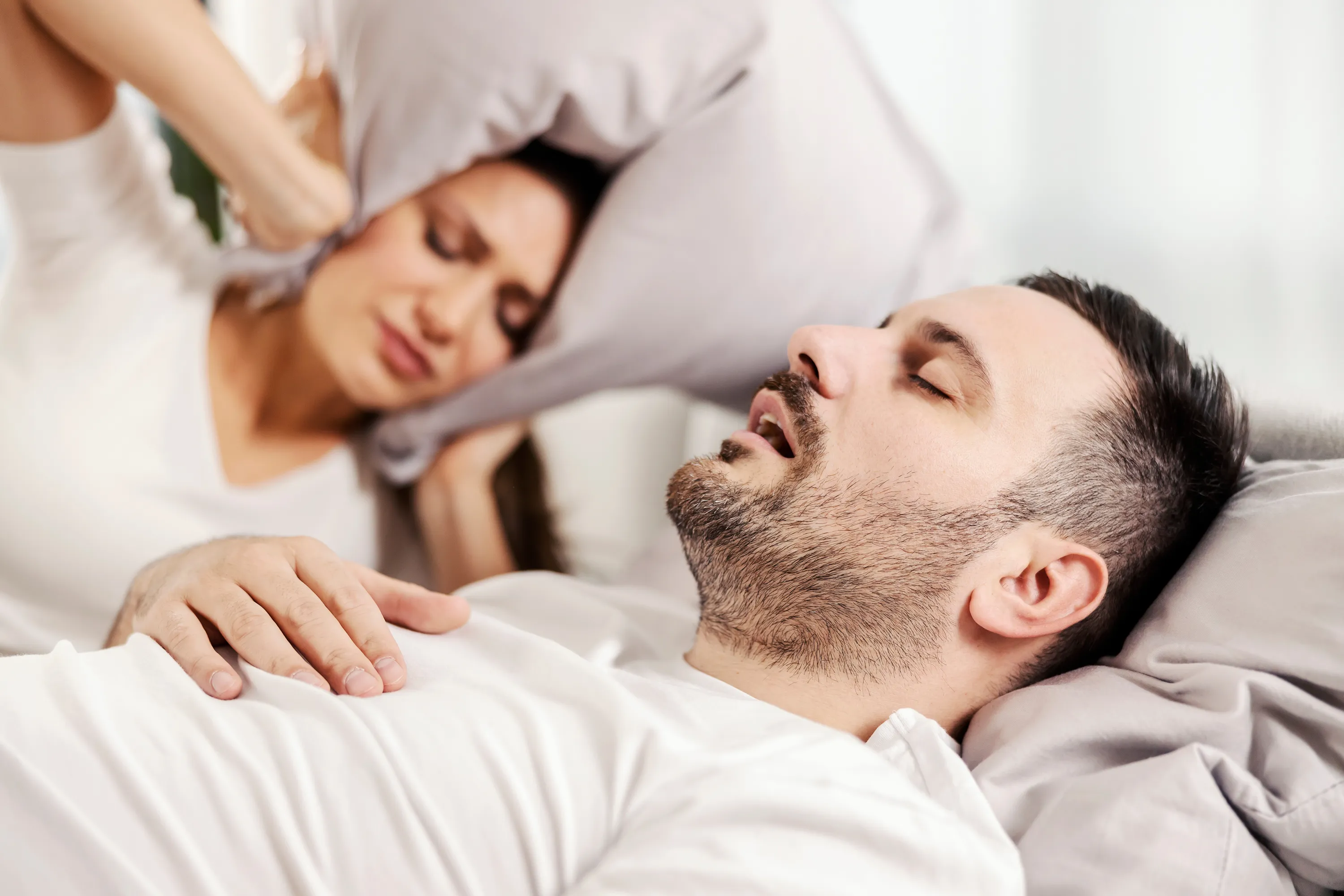
Struggling with loud snoring, interrupted sleep, or the discomfort of wearing a CPAP machine? Oral appliance therapy may offer a more comfortable and convenient way to manage obstructive sleep apnea (OSA).
At MacArthur Dental Arts, we offer oral appliance therapy as an alternative treatment option for eligible patients who have obstructive sleep apnea or experience persistent snoring. This treatment uses a custom-fitted dental device worn during sleep to help maintain an open airway and support better breathing throughout the night.
Unlike CPAP therapy, which uses a machine to deliver continuous air pressure through a mask, an oral appliance is a small, removable device that fits comfortably in your mouth. It is designed to help reduce airway obstruction while you sleep, without requiring bulky equipment or a mask.
If CPAP feels uncomfortable, difficult to travel with, or challenging to use consistently, oral appliance therapy may be worth exploring. The first step is determining whether this treatment is appropriate for your needs.
What Is Oral Appliance Therapy?
Oral appliance therapy is a non-invasive treatment option for obstructive sleep apnea and certain types of sleep-related breathing disorders. It involves wearing a custom-made dental device while sleeping to help prevent the airway from becoming blocked.
One of the most commonly used devices is a mandibular advancement device (MAD). It works by gently positioning your lower jaw slightly forward. This movement helps keep the tongue and surrounding soft tissues from collapsing backward and restricting airflow during sleep.
By helping maintain an open airway, the appliance can reduce airway obstruction, improve breathing, and decrease snoring in appropriately selected patients.
Oral appliance therapy is particularly useful for adults with mild to moderate obstructive sleep apnea and for some patients with more severe OSA who cannot tolerate CPAP or prefer an alternative treatment.
The appliance is removable, portable, and designed to fit your individual dental anatomy. It does not require electricity, a mask, or a separate machine, making it a practical option for many patients.
How Does Oral Appliance Therapy Work?
During sleep, the muscles in your throat relax. In people with obstructive sleep apnea, this relaxation can cause the airway to become partially or completely blocked, leading to repeated interruptions in breathing.
An oral appliance helps address this problem by gently repositioning the lower jaw and supporting the airway.
Here is how it works:
- Repositions the lower jaw: The appliance holds your lower jaw slightly forward while you sleep.
- Supports the airway: This positioning helps prevent the tongue and surrounding tissues from moving backward and narrowing the airway.
- Improves airflow: Keeping the airway more open can reduce breathing interruptions associated with obstructive sleep apnea.
- Helps manage snoring: Improved airflow may also reduce snoring caused by airway narrowing.
Your appliance is custom-fitted and may be adjusted gradually to achieve an appropriate position and improve comfort and treatment effectiveness.
Who Can Benefit From Oral Appliance Therapy?
Oral appliance therapy is not suitable for everyone with sleep apnea. However, it may be a good option for adults who meet certain clinical criteria.
You may be a candidate if you:
- Have been diagnosed with mild to moderate obstructive sleep apnea.
- Have difficulty tolerating or consistently using CPAP therapy.
- Prefer a portable, non-machine-based treatment option.
- Experience persistent snoring associated with airway obstruction.
- Have been advised by your sleep physician to explore oral appliance therapy.
Patients with severe obstructive sleep apnea may also be considered in certain circumstances, particularly when CPAP is not tolerated. However, treatment suitability must be determined through an appropriate evaluation.
At MacArthur Dental Arts, we begin with airway screening to help assess your symptoms, dental health, and potential suitability for oral appliance therapy. If further medical assessment or sleep testing is needed, we can help guide you toward the appropriate next steps.
Oral Appliance Therapy vs. CPAP: What’s the Difference?
Both oral appliance therapy and CPAP are used to manage obstructive sleep apnea, but they work differently.
Oral Appliance Therapy
- Uses a small, custom-fitted dental device.
- Gently repositions the lower jaw to help keep the airway open.
- Does not require electricity, tubing, or a mask.
- Is compact and convenient for travel.
- Is suitable for many patients with mild to moderate sleep apnea and selected patients with more severe cases.
CPAP Therapy
- Uses a machine to deliver continuous positive airway pressure.
- Requires a mask, tubing, and a machine.
- Helps prevent airway collapse by maintaining positive air pressure.
- Is generally more effective at reducing breathing interruptions, particularly in severe sleep apnea.
Which option is right for you?
The right treatment depends on your diagnosis, sleep apnea severity, dental health, and personal needs. A professional evaluation can help determine whether oral appliance therapy is an appropriate alternative to CPAP.
What Does the Oral Appliance Therapy Process Involve at MacArthur Dental Arts?
At MacArthur Dental Arts, we emphasize an individualized approach to evaluating and planning oral appliance therapy. Our process focuses on understanding your symptoms, assessing your airway and dental health, and determining whether this treatment option is appropriate.
1. Initial Consultation and Airway Screening
Your treatment journey begins with a consultation to understand your sleep concerns and medical history.
We assess relevant symptoms, including snoring, disrupted sleep, and daytime fatigue. Airway screening also helps evaluate potential factors associated with sleep-related breathing difficulties.
This initial assessment helps determine whether you may be a suitable candidate for oral appliance therapy or require further evaluation.
2. Dental Evaluation and Treatment Suitability
Your oral health is an important consideration when planning treatment.
We evaluate your teeth, gums, bite, jaw movement, and other relevant dental factors to determine whether a dental appliance can be comfortably and appropriately fitted.
If you have an existing sleep apnea diagnosis or sleep study results, these can help inform your treatment discussion.
3. Personalized Treatment Planning
Once your suitability has been evaluated, we discuss the treatment approach and explain what you can expect from oral appliance therapy.
You will have an opportunity to understand how the appliance works, its potential benefits, possible side effects, and the importance of ongoing monitoring.
4. Custom Appliance Fitting and Adjustments
For patients proceeding with treatment, a custom-fitted oral appliance is designed to accommodate their individual dental structure.
The appliance is adjusted as needed to establish a comfortable and appropriate jaw position. Gradual adjustments may be recommended to optimize treatment response while minimizing discomfort.
5. Follow-Up and Treatment Monitoring
Treatment does not end when you receive your appliance.
Regular dental follow-up appointments help assess appliance comfort, fit, and potential dental changes, including bite-related effects.
Follow-up sleep testing through your sleep physician is also important to confirm that the appliance is effectively managing your sleep apnea. Your treatment plan may be adjusted based on the results.
Benefits of Oral Appliance Therapy
For patients who are suitable candidates, oral appliance therapy offers several practical advantages:
- A CPAP alternative: Provides another treatment option for patients who cannot tolerate CPAP or prefer an alternative.
- Compact and portable: The appliance is small, lightweight, and convenient to carry when traveling.
- No machine or mask: There is no need for bulky equipment, connecting tubes, or a sleeping mask.
- Custom fit: The appliance is designed to accommodate your individual dental structure.
- Easy nighttime routine: Simply wear the appliance as directed while sleeping.
- May reduce snoring: Helps improve airflow and can reduce snoring associated with airway obstruction.
While these benefits make oral appliance therapy appealing, its effectiveness varies between individuals. A professional evaluation and appropriate follow-up are essential for successful treatment.
Take the First Step Toward Better Sleep at MacArthur Dental Arts
You do not have to struggle with uncomfortable sleep apnea treatment without exploring other possibilities.
If you have difficulty using CPAP, experience persistent snoring, or have been diagnosed with obstructive sleep apnea, oral appliance therapy may be an option worth considering.
At MacArthur Dental Arts, we offer airway screening to assess your suitability, personalized treatment guidance, and a comprehensive approach to oral appliance therapy.
Our team can help you understand your options and determine the next steps toward a treatment plan that fits your needs.
Ready to Explore a CPAP Alternative?
Contact MacArthur Dental Arts today to schedule your consultation. Let us help you take the first step toward more comfortable nights and better-managed sleep apnea.
Frequently Asked Questions About Oral Appliance Therapy
What is oral appliance therapy?
Oral appliance therapy is a treatment for obstructive sleep apnea and certain types of snoring. It involves wearing a custom-fitted dental device during sleep to help keep the airway open by gently repositioning the lower jaw.
Is oral appliance therapy an alternative to CPAP?
Yes. Oral appliance therapy is an established alternative for adults with obstructive sleep apnea who cannot tolerate CPAP or prefer another treatment option. It is particularly useful for many patients with mild to moderate OSA. Your provider can help determine whether it is appropriate for you.
Does an oral appliance cure sleep apnea?
No. Oral appliance therapy manages the symptoms and airway obstruction associated with sleep apnea but does not cure the underlying condition. Consistent use and follow-up testing are important to evaluate treatment effectiveness.
Who is a good candidate for oral appliance therapy?
Adults with mild to moderate obstructive sleep apnea, individuals who struggle with CPAP, and patients who prefer an alternative treatment may be suitable candidates. Dental health, jaw structure, and sleep study results are also considered before recommending treatment.
How do I get started with oral appliance therapy at MacArthur Dental Arts?
Getting started is simple. Contact MacArthur Dental Arts to schedule a consultation. Our team will discuss your sleep concerns, perform an initial airway screening, assess your dental health, and help determine whether oral appliance therapy is a suitable option.