






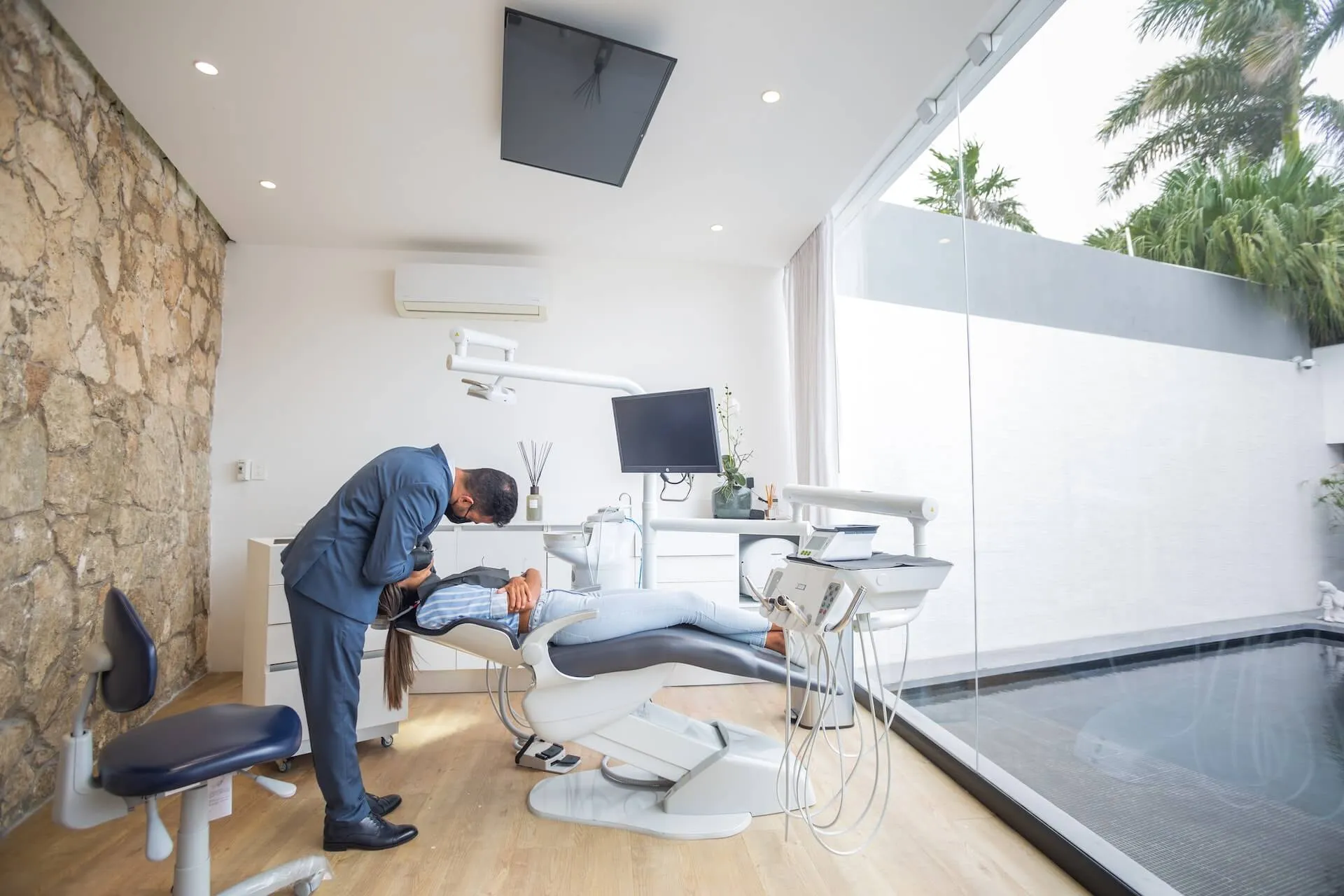


Dealing with a cracked tooth, an extensive cavity, or advanced enamel wear can make everyday moments like eating or speaking uncomfortable. When a standard dental filling lacks sufficient structural support to repair extensive decay, restorative dentistry offers a reliable, time-tested solution. Learning how does a dental crown restore a damaged tooth helps patients feel informed, confident, and prepared as they work toward renewing their oral health.
A dental crown is a custom-crafted protective cap that fits securely over the entire visible portion of a compromised tooth above the gumline. By encasing vulnerable enamel, this restorative cap restores original tooth size, shape, structural strength, and natural aesthetics.
What Types of Tooth Damage Require a Dental Crown?
Teeth are built to withstand heavy daily biting forces, but age, trauma, and bacteria can gradually compromise their structural integrity. Recognizing when a tooth requires more support than a basic filling allows you to seek timely restorative care.
- Advanced Dental Decay: When deep tooth decay removes a large portion of natural enamel, placing a standard filling can leave the remaining tooth walls thin and prone to fracturing.
- Cracked or Fractured Teeth: Cracks running through enamel can cause sharp discomfort during chewing. A protective cap holds the tooth together, preventing the crack from expanding toward the root.
- Severe Tooth Wear: Chronic teeth grinding, known as bruxism, or long-term acid erosion can wear down tooth structure over time. Custom restorations rebuild proper bite height and tooth dimensions.
- Post-Root Canal Therapy: Teeth that undergo root canal treatment lose their inner vital pulp and blood supply, making the remaining structure naturally brittle. Enclosing the tooth in a durable cap protects it from future fracture risks.
- Anchor for Dental Bridges: Restorative crowns serve as stable abutments on adjacent teeth to support a dental bridge when replacing missing teeth.
How Does a Dental Crown Restore a Damaged Tooth Functionally and Aesthetically?
A custom crown does far more than hide enamel discoloration or minor chips. It fundamentally rebuilds how your tooth functions within your mouth while maintaining a natural, balanced appearance.
Reinforcing Structural Strength
When enamel is significantly compromised, heavy chewing pressure can cause the tooth to split. A custom-fitted restoration acts like a protective helmet, distributing biting forces evenly across the entire surface rather than concentrating pressure on weakened areas.
Restoring Natural Shape and Dimensions
Extensive decay or trauma can alter how your upper and lower teeth fit together. A meticulously crafted restoration rebuilds missing anatomical contours, ensuring your bite meets comfortably without placing unnatural stress on neighboring teeth or your jaw joint.
Preventing Bacterial Reinfection
A precisely fitted cap creates a tight seal around the natural tooth stump, preventing harmful oral bacteria and food debris from entering inner tooth layers. This seal protects underlying dentin and root structures from recurrent decay.
Blending Seamlessly with Your Natural Smile
Modern restorative materials, such as tooth-colored porcelain and high-strength zirconia, are custom-shaded to mirror the translucency, shade, and texture of adjacent natural teeth. This ensures your restored tooth looks completely natural when you smile or speak.
What Steps Are Involved in the Dental Crown Procedure?
Receiving a custom restoration typically requires two comfortable clinical visits, structured to ensure precise fit and long-term durability.
Step 1: Examination and Tooth Preparation
During your first appointment, your dental provider performs a thorough oral evaluation and takes digital X-rays to assess root health and surrounding jawbone density. Once the area is completely numbed with local anesthesia, any decay or damaged tooth structure is carefully removed. The remaining tooth is shaped along its sides and top to create space for the new custom cap to slide over securely.
Step 2: Digital Impressions and Temporary Cap Placement
After shaping the tooth, your clinician takes high-precision digital or traditional physical impressions of your arch. These detailed measurements are sent to a specialized dental laboratory where skilled technicians craft your custom restoration. Before leaving the office, a comfortable temporary cap is placed over the prepared tooth to protect exposed dentin and preserve your smile aesthetic while your permanent crown is fabricated.
Step 3: Final Fitting and Permanent Cementation
Once your custom restoration arrives from the laboratory, you return for your second visit. Your dentist removes the temporary cap, cleans the underlying tooth, and checks the fit, shape, shade, and bite alignment of the final restoration. After ensuring that everything aligns comfortably, the permanent crown is bonded securely in place using high-strength dental cement.
Comparing Common Dental Crown Materials
Selecting the right material depends on the location of the tooth, your aesthetic preferences, and your specific biting habits:
Porcelain-Fused-to-Metal (PFM)
- Primary Advantage: Combines the natural appearance of porcelain with the underlying strength of a metal subframe.
- Best Suited For: Back molars and bridge abutments requiring reliable structural support.
Full Porcelain or Ceramic
- Primary Advantage: Delivers exceptional aesthetics with natural light reflection and zero metal lines at the gumline.
- Best Suited For: Highly visible front teeth where natural appearance is paramount.
Monolithic Zirconia
- Primary Advantage: Offers extreme durability and fracture resistance, making it virtually indestructible under heavy chewing.
- Best Suited For: Back molars and patients who experience chronic night teeth grinding.
Gold and Metal Alloys
- Primary Advantage: Highly biocompatible material that requires minimal tooth structure removal and wears gently against opposing teeth.
- Best Suited For: Out-of-sight back molars where strength is preferred over tooth-colored aesthetics.
How to Care for Your Dental Crown for Long-Term Success
While a custom crown cannot develop cavities, the natural tooth structure at the gumline margin remains vulnerable to plaque accumulation and decay. Maintaining proper oral hygiene habits protects both the underlying tooth and surrounding gum tissue:
- Brush Thoroughly Twice Daily: Use a soft-bristled toothbrush and non-abrasive toothpaste to gently clean all surfaces of the crown and natural teeth.
- Floss Daily Around the Gumline: Slide dental floss gently between teeth to clear away trapped plaque near the restoration margin. Avoid snapping floss upward, which could loosen temporary restorations.
- Wear a Nightguard for Bruxism: If you clench or grind your teeth while sleeping, wearing a custom nightguard cushions your restoration against excessive forces.
- Schedule Regular Checkups: Visiting your dentist every six months allows your clinical team to check the seal of your restoration and perform professional cleanings.
Schedule Your Restorative Consultation with MacArthur Dental Arts
If you are dealing with a cracked, worn, or severely decayed tooth and want to learn more about how does a dental crown restore a damaged tooth in your specific case, our compassionate team is here to guide you. Contact MacArthur Dental Arts today to schedule your comprehensive consultation and take the first step toward a strong, healthy smile.
Frequently Asked Questions About Dental Crowns
Q: How does a dental crown restore a damaged tooth compared to a regular dental filling?
A: A dental filling repairs small to moderate areas of decay inside the tooth structure, whereas a custom cap covers the entire visible tooth above the gumline to provide 360-degree structural protection when enamel loss is extensive.
Q: Does getting a custom tooth restoration hurt during the procedure?
A: No, the placement procedure is performed under local anesthesia to ensure you remain completely comfortable. Minor sensitivity or gum tenderness may occur for a few days following tooth shaping, but this typically resolves quickly.
Q: How long does a well-maintained custom restoration usually last?
A: With consistent daily brushing, flossing, and regular professional dental visits, a high-quality restoration generally lasts between 10 to 15 years or even longer.
Q: Can a tooth beneath a protective cap still develop a cavity?
A: Yes, while the synthetic crown material cannot decay, bacteria can settle at the gumline margin where the restoration meets natural tooth structure if daily oral hygiene is neglected.
Q: What should I do if my temporary cap comes loose before my second visit?
A: If a temporary restoration slips off, contact your dental team right away so it can be safely re-cemented to protect the prepared tooth and preserve proper spacing.

