






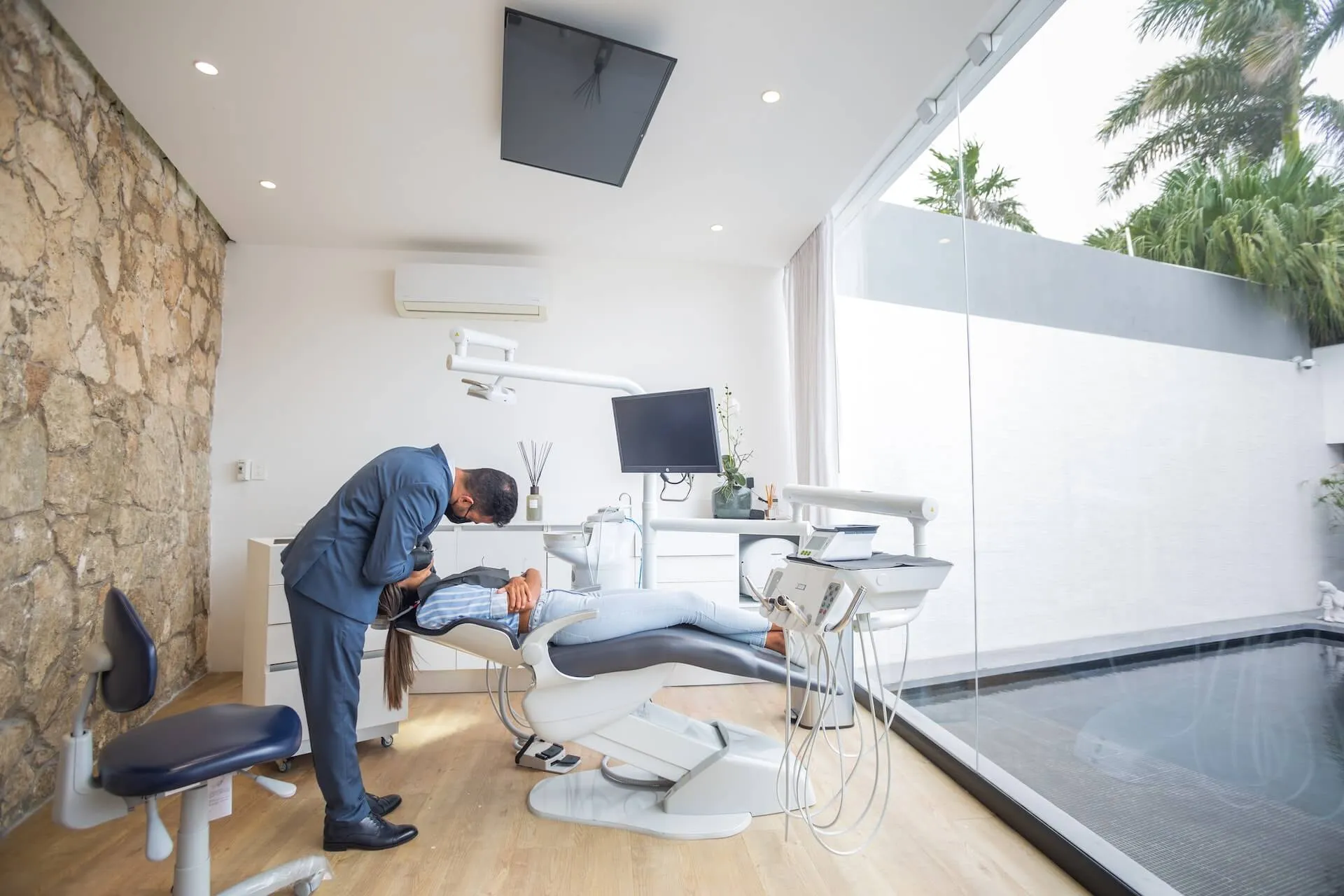


Many people think sleep apnea is purely a respiratory or sleeping problem, but your dentist is often one of the first healthcare professionals to spot the warning signs. Obstructive sleep apnea occurs when muscles in the back of the throat relax excessively during rest, temporarily blocking the airway. While chronic morning exhaustion and loud snoring are well-known red flags, sleep apnea can also leave clear physical markers inside your mouth.
Recognizing these subtle oral symptoms early allows you to take action before dental problems progress. Learning how sleep apnea impacts teeth and gums can help you protect both your smile and your overall health.
How Does Sleep Apnea Impact Your Teeth and Oral Health?
When your breathing stops repeatedly throughout the night, your body undergoes significant stress. This physiological distress triggers involuntary physical reactions, many of which directly impact your teeth, jaw, and oral tissues.
Sleep apnea frequently causes mouth breathing, nighttime tooth grinding, and chronic dryness. Over time, these conditions alter the delicate ecosystem of your mouth, disrupting healthy saliva production and putting extra stress on your dental structures. Addressing these underlying factors early helps preserve long-term oral stability and prevents unnecessary tooth wear.
What Are the Key Dental Signs of Sleep Apnea You Should Watch For?
Your mouth offers unique clues that indicate potential breathing interruptions during sleep. Dentists look for several common structural and tissue changes during routine examinations:
- Tooth Grinding and Excessive Wear: Nocturnal bruxism often occurs when the body instinctively clenches the jaw to keep the airway open. Over time, this constant pressure flattens the chewing surfaces, causes tiny cracks, and wears down enamel.
- Chronic Dry Mouth: Airway blockages force many individuals to breathe through their mouths while sleeping. This reduces natural saliva flow, creating an environment where harmful bacteria thrive.
- Bleeding or Inflamed Gums: Saliva serves as a natural barrier against oral bacteria. When dry mouth persists, bacterial growth increases, leading to higher rates of gingivitis and gum inflammation.
- Jaw Pain and TMJ Discomfort: Persistent strain on the temporomandibular joint from nighttime clenching can cause persistent jaw stiffness, popping sounds, and tension headaches upon waking.
- Scalloped Tongue and Enlarged Tissues: An enlarged tongue pressing against the teeth can leave wavy or scalloped edges along the sides of the tongue, signaling limited space in the airway.
Can Sleep Apnea Increase Your Risk for Tooth Decay and Gum Disease?
Saliva plays an essential role in keeping your teeth and gums healthy. It washes away stray food debris, neutralizes acidic byproducts produced by bacteria, and provides essential minerals that keep enamel strong.
Because sleep apnea often causes open-mouth breathing, saliva dries up rapidly during the night. Without adequate moisture, plaque builds up much faster along the gumline. This increases susceptibility to tooth decay, surface cavities, and persistent gum inflammation. Restoring adequate oral moisture and addressing breathing difficulties helps protect soft tissues and teeth from accelerated breakdown.
How Can Your Dentist Help Screen for Sleep Apnea?
Dental checkups involve much more than simply checking for cavities. During a comprehensive exam, your dental team evaluates the throat, soft palate, tongue size, and wear patterns on your teeth.
If your dentist notices signs like cracked enamel, jaw soreness, or a narrowed airway passage, they can discuss these visual cues with you. While a dentist does not provide a definitive medical diagnosis for sleep apnea, they can work collaboratively with sleep specialists to help guide you toward appropriate evaluation and care.
What Are Common Dental Treatment Options for Sleep Apnea Management?
For patients experiencing mild to moderate obstructive sleep apnea, custom dental appliances offer an effective, comfortable alternative to traditional CPAP machines.
A custom-fitted oral appliance works by gently shifting the lower jaw and tongue forward while you sleep. This subtle movement helps keep the upper airway open, allowing for smooth, unobstructed airflow throughout the night. These devices are lightweight, easy to clean, and personalized to match the exact contours of your teeth, ensuring maximum comfort and protection against teeth grinding.
Schedule Your Consultation with MacArthur Dental Arts Today
If you regularly wake up with a dry mouth, morning headaches, or jaw stiffness, your oral health might be signaling a deeper sleep issue. The experienced team at MacArthur Dental Arts is dedicated to helping you protect your smile and improve your night's rest. Contact MacArthur Dental Arts today to schedule a comprehensive evaluation and learn how personalized care can support your overall health.
Frequently Asked Questions About Sleep Apnea and Oral Health
Q: Can a dentist diagnose sleep apnea?
A: Dentists can identify physical signs of sleep apnea in your mouth and recommend a sleep study, but an official diagnosis must come from a qualified medical physician or sleep specialist.
Q: Will an oral appliance for sleep apnea also protect against teeth grinding?
A: Yes, custom oral appliances physically separate the top and bottom arches of your teeth, helping to cushion your bite while holding the airway open.
Q: Why does sleep apnea cause dry mouth in the morning?
A: When breathing through the nose becomes difficult, the body shifts to mouth breathing. Air constantly flowing through the mouth evaporates saliva, leaving oral tissues dry upon waking.
Q: Can wearing an oral appliance shift my teeth?
A: Professionally fitted oral appliances are custom-designed to minimize bite changes. Regular checkups ensure the appliance fits properly and preserves your natural alignment.

