Why Do My Gums Bleed When I Brush? Common Causes and Effective Treatments!
Seeing a little pink in the sink when you brush or floss can be alarming. It's one of the questions we hear most from patients at our Irvine, CA dental office: is this normal, or is something actually wrong? Honestly, it depends. Figuring out which category you fall into is the first step toward fixing it. Bleeding gums are common, but common doesn't mean harmless. Understanding what's really happening in your mouth and learning to tell a minor issue apart from an early sign of gum disease helps you decide what to do next and when it's time to see a dentist in Orange County, CA.
How Do You Know If Your Bleeding Gums Are a Minor Issue or Something More?
Not all gum bleeding is the same. The right response depends on how often it happens, how much bleeding shows up, and what else is going on. Here are the questions worth asking yourself before you decide your next move.
Is It Happening Every Time You Brush, or Just Occasionally?
If your gums bled once after you flossed a little too aggressively, that's usually nothing to worry about. But if it happens day after day? That's a pattern worth paying attention to. Frequent bleeding is one of the earliest signs of gum disease starting with gingivitis the first stage of gum disease. And it tends to get worse without help, not better on its own.
Are Your Gums Also Swollen, Red, or Tender?
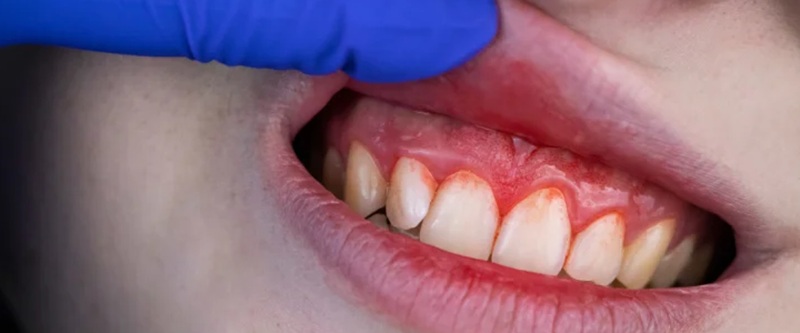
Healthy gums are firm and pale pink. If yours look puffy, darker red or purplish, or feel sore to the touch, that combination alongside bleeding points to inflammation from plaque buildup, not a one-time irritation. This distinction matters. Inflammation-driven bleeding usually needs a professional dental cleaning to resolve, not just a change in brushing habits.
Have You Changed Your Oral Care Routine Recently?
Sometimes bleeding gums are just the result of a new toothbrush, brushing more vigorously than your gums are used to, or flossing again after a long gap. If you can trace the bleeding back to a specific change, and it improves within a few days, you're probably just in an adjustment period. Not gum disease.
Do You Have Other Risk Factors?
Certain things make bleeding gums more likely and more significant: smoking, pregnancy, uncontrolled diabetes, blood thinners, vitamin deficiencies. If any of these apply to you, bleeding gums deserve a closer look rather than a wait-and-see approach. These conditions can hide or speed up gum disease without you realizing it.
Common Causes of Bleeding Gums
Plaque Buildup and Gingivitis
The most frequent cause of bleeding gums is plaque that sticky film of bacteria that builds up on your teeth every single day. When it isn't removed well through brushing and flossing, it irritates the gum tissue and leads to inflammation known as gingivitis. The good news? This stage is usually reversible with better home care and a professional cleaning. All the more reason to deal with bleeding early instead of ignoring it.
Brushing Technique
Brushing too hard, using stiff bristles, or holding your brush at the wrong angle can all make gums bleed, even with no disease involved. The fix? A soft-bristled brush and a gentler, more deliberate technique. This usually clears up within a week or two.
Flossing Habits
If you floss on and off, your gums may bleed the first several times you pick the habit back up while they adjust. That's not a reason to stop. Truth is, consistent flossing is one of the best ways to cut down on gum bleeding over time.
Periodontitis
Left untreated, gingivitis can progress into periodontitis a more advanced form of gum disease that affects the structures holding your teeth in place, including bone. Bleeding at this stage often comes with gum recession, bad breath that won't quit, loose teeth, or a bite that just feels different. Periodontitis needs professional treatment; brushing changes alone won't cut it.
Hormonal Changes
Pregnancy, puberty, and menstrual cycles can all increase blood flow to the gums and make them more sensitive to plaque (sometimes called pregnancy gingivitis). It's common, and it's usually manageable with attentive oral hygiene and regular dental visits.
Medications and Medical Conditions
Blood thinners, certain blood pressure medications, and conditions like diabetes or clotting disorders can all contribute to gum bleeding. Started a new medication recently and noticed bleeding gums right after? Worth mentioning to both your physician and your dentist.
Effective Treatments for Bleeding Gums
Improving Your Daily Oral Care Routine
For a lot of people, the first line of treatment is simple. Switch to a soft-bristled toothbrush, brush gently in small circles, floss once a day. An antimicrobial or fluoride mouthwash can help too, cutting down on the bacteria driving the inflammation.
Professional Dental Cleanings
Plaque that's hardened into tartar won't budge with a toothbrush alone. A professional cleaning clears that buildup out of the spots you can't reach at home, especially along and below the gumline, which is usually where the bleeding starts in the first place.
Scaling and Root Planing
For more advanced plaque and tartar, or early signs of periodontitis, a deeper cleaning called scaling and root planing might be the move. This treatment smooths the root surfaces and clears bacterial buildup below the gumline, giving your gums a chance to reattach and heal.
Addressing Underlying Health Factors
If bleeding gums are tied to a medication, a hormonal shift, or a medical condition, treatment usually means coordinating with your physician alongside your dental care. Getting blood sugar under control if you're diabetic, for example, often improves gum health right along with it.
Ongoing Maintenance
Once the bleeding is under control, keeping it that way comes down to consistent brushing, flossing, and routine visits typically every six months, though your dentist might suggest a different schedule depending on your gum health.
Ready to Get Started?
If your gums have been bleeding regularly, get them looked at. Don't just guess. The team at MacArthur Dental Arts works with patients throughout Irvine and Orange County, CA, to figure out what's actually going on with your gum health and build a plan that fits your situation. Sometimes it's a small adjustment to your brushing technique. Sometimes it's a bigger conversation about gum disease treatment. Either way, getting a clear answer starts with a visit. Contact MacArthur Dental Arts today to schedule an appointment and take the next step toward healthier gums.
FAQs
Q: Is it normal for gums to bleed a little when I start flossing again after a break?
A: Yes, totally normal. Gums that haven't been flossed in a while are more sensitive at first, and light bleeding usually improves within a week or two of sticking with it.
Q: How much bleeding is too much?
A: Occasional light bleeding usually isn't urgent. But bleeding every time you brush, bleeding that doesn't ease up after a week of gentler care, or bleeding paired with swelling, pain, or bad breath? That's worth getting checked.
Q: Can stress cause bleeding gums?
A: Not directly. But stress can mess with your immune function, making it harder for your body to fight off the bacteria behind gum inflammation. So it plays a part, just not the main one.
Q: Will my gums stop bleeding if I just brush more gently?
A: For a lot of people, yes. Gentler brushing plus regular flossing clears up minor bleeding. But if it keeps going despite the changes, that's usually a sign of plaque buildup or gum disease that needs professional attention.
Q: How often should I see a dentist if my gums bleed regularly?
A: Sooner rather than later. If bleeding is frequent, don't wait for your next routine checkup. Early treatment is a lot easier than dealing with advanced gum disease down the road.