What Is a Root Canal Recovery Like? What to Expect After Treatment
Let's be honest, root canals have a reputation problem. The word alone tends to make people wince, even though most patients walk out of the appointment feeling a lot better than they expected. If you've got one coming up, or you just finished one and you're trying to figure out what's normal, understanding root canal recovery ahead of time can take a lot of the guesswork out of the next few days.
Here's a realistic breakdown of what root canal recovery actually looks like, what's typical versus what's worth a call to your dentist, and how to help things go as smoothly as possible.
What Actually Happens to the Tooth During a Root Canal?
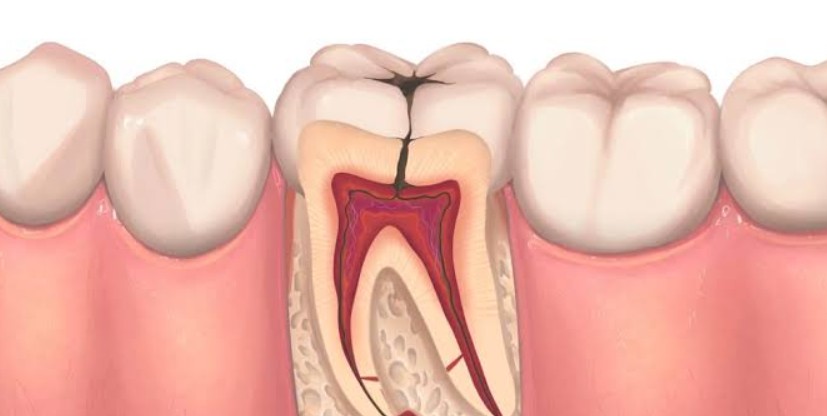
Before getting into recovery, it helps to understand what the procedure itself is doing. A root canal removes infected or damaged pulp tissue from inside the tooth, cleans out the canal, and seals it to prevent further infection. It's a treatment designed to save a tooth that would otherwise likely need to be extracted.
Once the procedure is done, root canal recovery is really about your body healing from the treatment itself, along with the surrounding tissue calming down after everything that was going on before you got treated.
What Does the First 24 to 48 Hours of Root Canal Recovery Feel Like?
The first day or two tends to be the part people worry about most, but for a lot of patients, it's more manageable than they expected. Some mild soreness or tenderness around the treated tooth and gum area is common during this early stage of root canal recovery, along with a bit of sensitivity when biting down.
Numbness from the local anesthesia will wear off within a few hours after your appointment, so it's worth being careful not to bite your cheek or tongue while things are still numb. Many patients find that any discomfort during this period responds well to over-the-counter pain relief, following your dentist's specific recommendations for dosage.
Managing Discomfort During Root Canal Recovery
Discomfort during root canal recovery is usually manageable with a few straightforward steps. Sticking to softer foods for the first day or two reduces pressure on the treated tooth, and chewing on the opposite side of your mouth can help avoid unnecessary irritation while things settle.
A cold compress applied to the outside of your cheek can help with any swelling, particularly in the first 24 hours. Over-the-counter pain relief, taken as directed, tends to be enough for most patients during this stage, though your dentist may recommend something more specific depending on your situation.
How Long Does Root Canal Recovery Typically Take?
This varies by patient, but many people find that noticeable discomfort improves significantly within just a few days. Full healing of the surrounding tissue can take a bit longer, sometimes up to a week or two, though most people are back to their normal routine well before that point.
Root canal recovery timelines can also depend on which tooth was treated, how extensive the original infection or damage was, and your individual healing response. If your case involved a more complex situation, your dentist will typically give you a more specific idea of what to expect for your circumstances.
What's Normal Versus What's Not During Recovery
Knowing what falls within the range of normal root canal recovery, versus what might need attention, can save you some unnecessary worry. Mild soreness, some tenderness when chewing, and slight swelling in the days right after treatment are all generally expected.
On the other hand, worsening pain rather than gradual improvement, significant swelling that doesn't start to go down, or a return of severe pain after things had started to feel better are worth reaching out to your dentist about. These aren't necessarily signs something went wrong, but they're worth having checked rather than waiting it out.
Caring for Your Tooth After Root Canal Treatment
Beyond the first few days, ongoing care plays a big role in how well your tooth holds up long term. Most root canal treated teeth need a crown placed afterward, since the tooth can become more brittle once the internal pulp tissue has been removed. Skipping this step or delaying it too long can increase the risk of the tooth cracking under normal chewing pressure.
Keeping up with regular brushing, flossing, and routine checkups also supports the long term success of the treatment. A root canal treated tooth, once properly restored with a crown, can generally continue functioning well for many years with consistent care.
Tips to Support a Smoother Root Canal Recovery
A few simple habits tend to make root canal recovery go more smoothly for most patients. Avoiding hard, crunchy, or sticky foods for the first several days reduces strain on the treated tooth while it's still settling. Staying consistent with any prescribed medication, if applicable, and following your dentist's specific aftercare instructions closely also helps.
Getting your permanent crown placed within the recommended timeframe after your root canal is another important piece, since leaving a temporary restoration in place too long can leave the tooth more vulnerable than it needs to be.
When to Follow Up With Your Dentist
Even when root canal recovery is going smoothly, it's still worth attending any follow up appointments your dentist schedules, since these visits allow them to confirm everything is healing as expected and plan for your permanent crown. If you experience any of the warning signs mentioned earlier, don't wait for a scheduled visit to reach out.
Talk to MacArthur Dental Arts About Root Canal Treatment and Recovery
Whether you're preparing for an upcoming root canal or navigating recovery right now, having a dental team that walks you through what to expect makes the whole process feel a lot less intimidating. At MacArthur Dental Arts, we take the time to explain each step, from treatment through recovery and your eventual crown placement, so you know exactly what's ahead. Contact MacArthur Dental Arts today to schedule an appointment or ask any questions about your root canal recovery.
Frequently Asked Questions
Q: How painful is root canal recovery compared to the procedure itself?
A: Most patients find recovery more manageable than they expected, with mild to moderate discomfort in the first couple of days that generally improves steadily after that.
Q: Can I go back to work or school the day after a root canal?
A: Many patients are able to return to normal activities the next day, though this depends on how you're feeling and the specifics of your individual case.
Q: How soon after a root canal do I need to get a crown?
A: Your dentist will give you a specific timeframe, but it's generally recommended to get the permanent crown placed within a few weeks to protect the tooth from potential cracking.
Q: What foods should I avoid during root canal recovery?
A: Hard, crunchy, or sticky foods are best avoided for the first several days, since they can put unnecessary pressure on the treated tooth while it's still healing.
Q: Is it normal to still feel some sensitivity weeks after a root canal?
A: Mild sensitivity can linger for a while in some cases, but persistent or worsening pain weeks later is worth having evaluated by your dentist.
Q: What should I do if my pain gets worse instead of better after treatment?
A: Contact your dentist promptly if pain increases rather than improves, or if you notice significant swelling, since this may need to be checked rather than waited out.