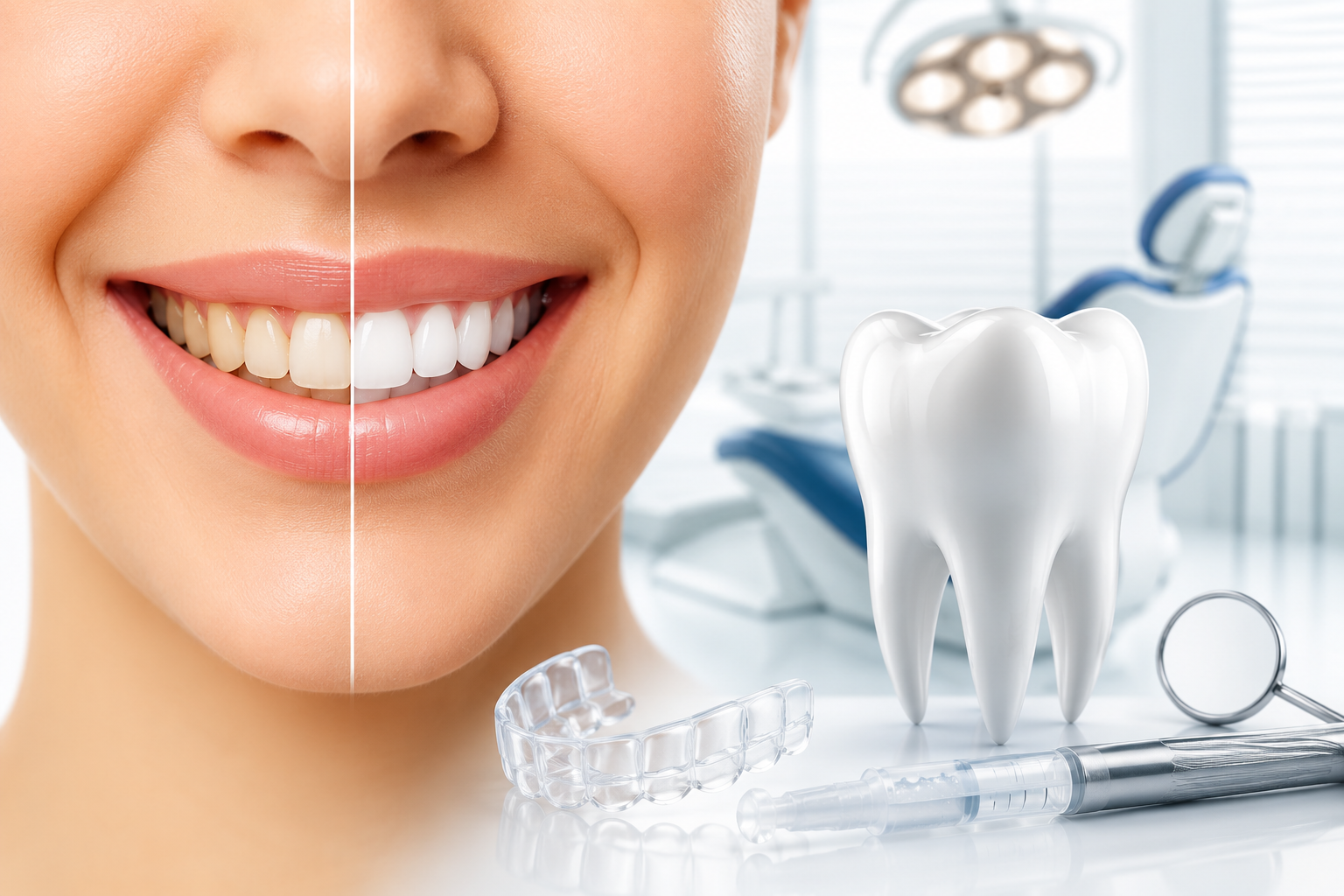
How Long Does Teeth Whitening Last? Tips to Keep Your Smile Bright
Walking out of the dental office with a newly brightened smile can give you an immediate boost of confidence. Whether you treated yourself to a professional cosmetic procedure for an upcoming special event or simply wanted to reverse years of stubborn surface stains, a radiant smile makes a strong impression.
However, once you achieve that ideal shade, the next logical question is how to keep it that way. No whitening treatment permanently alters the structure of your teeth to resist future discoloration. Enamel remains naturally porous, meaning that your everyday habits, diet, and oral hygiene choices determine how long your vibrant results will stick around.
At MacArthur Dental Arts, the team wants to help you protect the investment you have made in your smile. Let us dive into the realistic timeline for your results, what factors influence the color of your teeth, and the most effective ways to maintain a bright look for as long as possible.
How Long Does Teeth Whitening Last?
As a general rule, the effects of teeth whitening can last anywhere from six months to up to three years. Because everyone has unique dental anatomy and different lifestyle routines, there is no single timeline that applies to everyone.
The longevity of your results depends heavily on the specific method you used to whiten your teeth:
- Professional In-Office Treatments: Clinical whitening systems utilize medical-grade whitening gels that penetrate deep into the enamel to lift stubborn, intrinsic stains. Because these formulations are highly concentrated and carefully applied, the brightening effect typically remains vibrant for one to three years, assuming you practice solid home maintenance.
- Over-the-Counter Products: Retail options like drugstore strips, generic whitening trays, or paint-on gels use much weaker concentrations of bleaching agents. These options only interact with superficial surface stains. Consequently, the results fade much faster, often requiring a touch-up within a few months.
Your daily habits play an even bigger role than the treatment itself. A person who drinks black coffee daily and uses tobacco products will notice their results fading much faster than someone who minimizes highly pigmented foods and follows strict oral care guidelines.
Factors That Cause Your Whitened Smile to Fade
To keep your teeth looking bright, it helps to understand what causes them to lose their luster in the first place. Staining generally falls into two categories:
Extrinsic Staining from Food and Drink
Every day, your teeth come into contact with dark pigments called chromogens. These pigments latch onto the microscopic pores of your dental enamel. Liquids with high acid levels, like citrus juices or sports drinks, can temporarily soften your enamel, making it even easier for dark colors to bind to the surface.
Natural Aging and Intrinsic Shifts
Below the protective layer of your clear enamel sits dentin, which is a naturally yellowish bone-like tissue. As the years pass, enamel naturally thins out from normal wear and tear, allowing more of the yellow dentin underneath to show through. This is a normal structural change, but routine care can minimize how quickly it impacts the brightness of your smile.
Tips to Keep Your Teeth White Longer
You do not have to give up all your favorite foods and drinks to preserve your bright smile. By adopting a few smart daily habits, you can defend your enamel against premature staining and keep your results looking fresh for months to come.
Sip Staining Beverages Through a Straw
You do not necessarily have to quit your morning iced coffee or afternoon iced tea. When drinking cold beverages known to cause staining, use a straw. This simple adjustment channels the dark liquid past your front teeth, drastically reducing direct contact with your most visible enamel.
Rinse Immediately After Meals
If you do enjoy a glass of red wine, a cup of hot coffee, or a meal heavy in dark sauces like soy or marinara, make it a habit to rinse your mouth thoroughly with plain water right after you finish. Swishing water around your mouth helps loosen and wash away dark pigments and residual acids before they have a chance to settle into your enamel pores.
Practice Thorough Brushing and Flossing
Plaque is a sticky film of bacteria that constantly forms on your teeth. Because plaque is highly textured, it catches dark food particles easily, accelerating the staining process. Brushing twice a day for a full two minutes and flossing daily removes this sticky buildup, preventing it from hardening into tartar, which can only be removed during a professional cleaning.
Schedule Routine Dental Cleanings
No matter how diligent you are with your toothbrush at home, micro-stains can still accumulate over time. Visiting MacArthur Dental Arts every six months for a professional cleaning is essential. A dental hygienist uses specialized instruments to gently polish away early surface stains and clear out hardened calculus, keeping your smile clean and healthy.
Schedule Your Cosmetic Consultation at MacArthur Dental Arts
A bright smile is an excellent way to elevate your look, but maintaining those results requires the right strategy. You do not have to guess which habits or maintenance products are safe for your specific enamel.
The team at MacArthur Dental Arts is here to provide high-quality, personalized care to keep your smile healthy and radiant. If you are interested in exploring professional teeth whitening or need a personalized plan to maintain your current shade, we are ready to assist you.
Consultations available! Book now.
Frequently Asked Questions
Q: Can I use a whitening toothpaste every day to preserve my results?
A: It is best to use caution. Many retail whitening toothpastes rely on highly abrasive particles to scrub away surface stains. Over time, daily use of highly abrasive pastes can actually wear down your protective enamel layer. As the enamel thins, the yellowish dentin underneath becomes more visible, which can make your teeth look darker in the long run. Speak with your dentist about safe, low-abrasion maintenance options.
Q: How soon can I eat regular food after a professional whitening treatment?
A: For the first 48 hours after a professional whitening session, the pores in your dental enamel remain slightly expanded and highly vulnerable to staining. It is highly recommended to follow a "white diet" during this brief window. Stick to non-staining items like white rice, chicken, fish, cauliflower, and water, while avoiding deeply colored items.
Q: Will smoking or vaping cause my whitened teeth to discolor quickly?
A: Yes. Nicotine and tar from tobacco products or vaping liquids interact heavily with oxygen, turning into a yellowish-brown compound that binds tightly to dental enamel. Tobacco use is one of the fastest ways to reverse the effects of any teeth whitening treatment.
Q: Is it safe to get a professional touch-up treatment every few months?
A: Over-whitening can lead to chronic tooth sensitivity and temporary enamel weakness. For most patients, a minor professional touch-up once a year is more than enough to maintain a peak level of brightness without risking the structural health of your teeth.