Do You Need a Dental Crown? 7 Signs to Watch For
Your dentist mentions the word crown, and suddenly you've got a dozen questions running through your head. Is this really necessary? What does it actually fix? Could you get away with just a filling instead? Fair questions, all of them. Knowing whether you actually need a dental crown isn't always obvious from the outside, since a lot of the issues that call for one aren't things you can easily see or feel until they've progressed a bit.
Here are seven signs that tend to come up when a dental crown is genuinely worth considering, along with what each one actually means for your tooth.
Sign 1: A Tooth With a Large Cavity That's Beyond a Filling
Not every cavity needs a crown, but once decay reaches a certain size, a standard filling may not have enough healthy tooth structure left to properly support it. When too much of the natural tooth is compromised, a dental crown can offer the coverage and strength a filling alone can't provide.
If your dentist has mentioned that a cavity is larger than expected, or that a filling might not hold up well over time, this is often one of the clearer signs you might need a dental crown to protect what's left of the tooth.
Sign 2: A Cracked or Fractured Tooth
Cracks aren't always dramatic. Sometimes it's a hairline fracture you only notice because of sensitivity when biting down, not something you can see just by looking in the mirror. Left alone, a crack can worsen over time, sometimes extending further into the tooth or even below the gum line.
A dental crown works by essentially covering and stabilizing the tooth, distributing chewing pressure more evenly so the crack doesn't continue to spread. If you've noticed sharp pain when biting on a particular tooth, especially if it comes and goes, it's worth having it checked for a possible fracture.
Sign 3: A Tooth That's Undergone Root Canal Treatment
After a root canal, a tooth often becomes more brittle than it was before, since the procedure removes the internal pulp tissue that once kept it nourished. Without that added strength, the tooth becomes more prone to fracturing under normal chewing pressure.
This is exactly why dentists frequently recommend a dental crown following root canal treatment, particularly for molars that handle a lot of chewing force. The crown essentially acts as protective armor for a tooth that's already been through a fair amount of work.
Sign 4: Significant Tooth Wear From Grinding or Erosion
If you grind your teeth at night, or you've dealt with ongoing acid erosion from diet or reflux, your teeth may have worn down more than you realize. Flattened chewing surfaces, increased sensitivity, or teeth that look noticeably shorter than they used to can all point toward this kind of wear.
Once wear reaches a certain point, a dental crown can help rebuild the tooth's shape and function, while also protecting it from further damage. Addressing this earlier rather than later tends to prevent the wear from progressing to a point where more extensive treatment becomes necessary.
Sign 5: A Large Old Filling That's Failing
Fillings don't last forever, and a large one that's been in place for many years can start to weaken the surrounding tooth structure. Over time, the constant pressure of chewing can cause the tooth around an aging filling to crack or break down, especially if the original filling covered a significant portion of the tooth.
If your dentist mentions that an old filling is showing signs of wear or that the tooth around it looks compromised, a dental crown may be recommended as a more durable, long term solution compared to simply replacing the filling again.
Sign 6: You're Getting a Dental Implant or Bridge
Dental crowns aren't only used to protect existing natural teeth. They also play a central role in restorative treatments like implants and bridges. With a dental implant, the crown is the visible part attached on top, essentially functioning as the replacement tooth itself. With a bridge, crowns are typically placed on the teeth adjacent to a gap to anchor the replacement tooth in between.
If you're already exploring implants or a bridge to replace a missing tooth, understanding that a crown is part of that process can help clarify what to expect from start to finish.
Sign 7: A Tooth That's Discolored or Misshapen for Cosmetic Reasons
Not every reason for a dental crown is purely functional. Sometimes a tooth has become significantly discolored, misshapen, or otherwise doesn't match the rest of your smile due to injury, developmental factors, or extensive past dental work. In these cases, a crown can serve a cosmetic purpose alongside any structural benefit, covering the tooth entirely to create a more uniform appearance.
If you've been self-conscious about one particular tooth that stands out from the rest, it's worth asking your dentist whether a crown could be part of the solution.
What Happens If You Skip Getting a Crown When It's Recommended?
It can be tempting to put off a crown, especially if the tooth isn't causing obvious pain yet. But delaying treatment when a crown has been recommended can sometimes allow the underlying issue, whether it's a crack, decay, or structural weakness, to progress further. In some cases, this can eventually lead to a situation where the tooth is no longer salvageable, requiring extraction instead.
Getting evaluated and addressing the issue while a crown is still a viable option tends to be the more conservative path compared to waiting until more extensive treatment becomes necessary.
What to Expect During the Crown Process
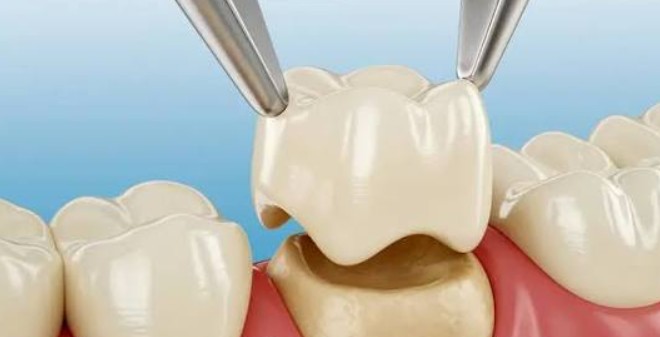
If your dentist recommends a dental crown, the process typically involves preparing the tooth by removing a small amount of the outer structure to make room for the crown, taking an impression or digital scan, and placing a temporary crown while your permanent one is being made. Once ready, the permanent crown is checked for fit and bonded into place.
Depending on your dentist's technology, some crowns can even be made and placed in a single visit, while others may take a couple of weeks depending on the lab process involved.
Talk to MacArthur Dental Arts About Whether You Need a Crown
If you've noticed any of these signs, or your dentist has already mentioned that a crown might be worth discussing, getting a proper evaluation is the best next step. At MacArthur Dental Arts, we take time to explain exactly why a crown is being recommended for your specific tooth, walking you through the process so you feel confident in your treatment plan. Contact MacArthur Dental Arts today to schedule an evaluation and find out whether a dental crown is the right fit for you.
Frequently Asked Questions
Q: How do I know if I need a crown versus just a filling?
A: This generally depends on how much healthy tooth structure remains. A filling works well for smaller areas of decay, while a crown is typically recommended when too much of the tooth is compromised to support a filling alone.
Q: Do all teeth need a crown after a root canal?
A: Not always, but it's common, especially for molars that handle significant chewing pressure. Your dentist can advise whether your specific tooth needs a crown following treatment.
Q: How long does a dental crown typically last?
A: With good care, many crowns last a decade or longer, though this varies based on material, location in the mouth, and individual habits like grinding.
Q: Is getting a dental crown a painful procedure?
A: The area is typically numbed beforehand, so most patients report minimal discomfort during the procedure itself, with some mild sensitivity possible in the days that follow.
Q: Can a cracked tooth heal without a crown?
A: A crack in a tooth won't heal on its own, and it can worsen over time without treatment. A crown helps stabilize the tooth and prevent the crack from spreading further.
Q: What happens if I wait too long to get a recommended crown?
A: Delaying treatment can allow the underlying issue to progress, sometimes to the point where the tooth is no longer salvageable and extraction becomes necessary instead.